Gaps in suicide data affect prevention interventions in Ghana – Accra Psychiatric Hospital MD
Gaps in Ghana’s suicide reporting system are hindering efforts to accurately determine the scale and patterns of suicide in the country.
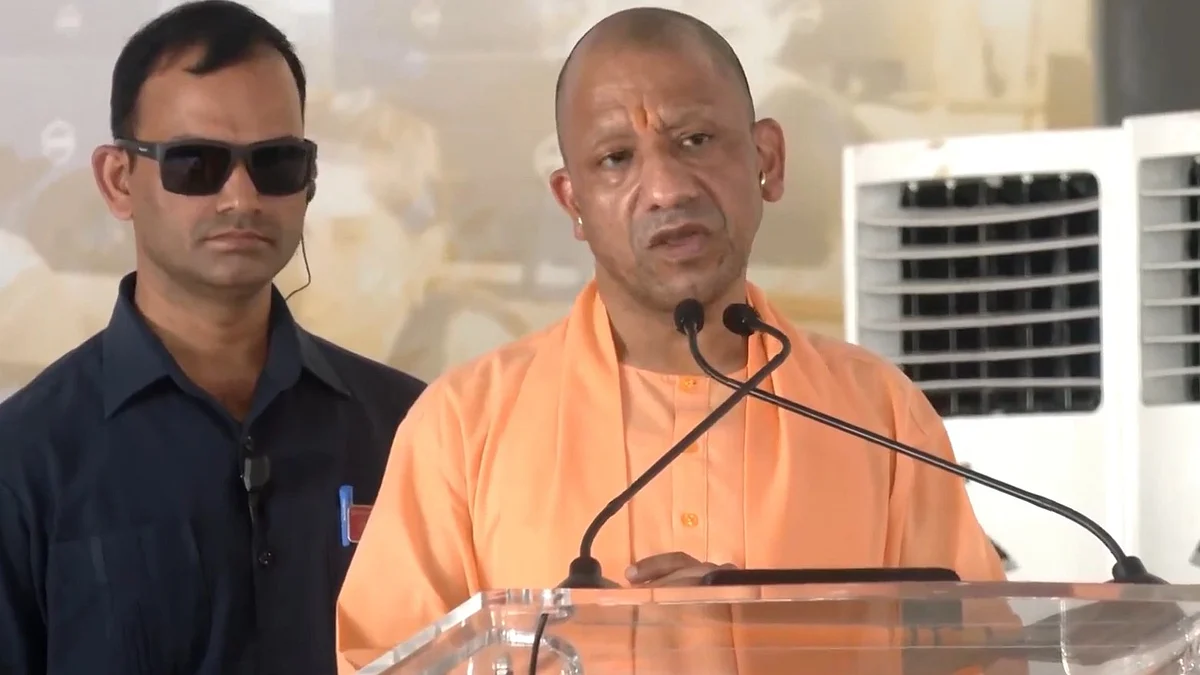
The Accra Psychiatric Hospital's Medical Director, Dr Kwadwo Marfo Obeng, highlighted gaps in Ghana's suicide reporting system on World Suicide Prevention Day. Stigma, fragmented data sources and weaknesses in death certification continue to affect the quality of suicide statistics needed to guide prevention interventions. Despite decriminalisation in 2023, previous criminalisation still influenced reporting methods.
The analysis aimed to establish Ghana's current epidemiological profile, identify risk and protective factors, map policies and services, and support a national suicide prevention strategy. Data sources included the District Health Information Management System (DHIMS), Births and Deaths Registry, police data and research. However, each had limitations, resulting in significant gaps.
DHIMS, while accessible, missed details like age and method of suicide. The Births and Deaths Registry provided age but lacked method specifics, and police data was difficult to access.
Traditional burials often prevented reporting. Stigma discouraged families and health professionals from reporting suicides, leading to underreporting. Immediate physical causes, like trauma or severe blood loss, were sometimes recorded instead. Between 2022 and 2023, DHIMS recorded 90 suicides (0.29 per 100,000 population). After decriminalisation, reported deaths rose to 134 in 2023 before dropping to 90 in 2025.
Males accounted for 3-5 times more suicides than females, mostly aged 35-60. Mental health conditions, previous attempts, hopelessness, impulsivity, chronic illnesses, interpersonal conflicts, trauma, abuse, bullying, bereavement, academic pressures, financial stress and unemployment were key risk factors. Agricultural factors, access to lethal means, unemployment, homelessness and social exclusion were also identified.
Protective factors included social support, community connectedness, seeking professional help and religion, though religious experiences varied.
Dr Obeng called for compassionate mental health services, stronger surveillance systems and responsible media reporting. He urged breaking the silence around suicide and encouraging help-seeking. "Every suicide is a tragedy with profound social, emotional and economic consequences," he emphasized. Sustainable public education, improved mental health access and coordinated national action were needed to reduce suicide and strengthen Ghana's response.
Written by urgent.news from MyJoyOnline Ghana's reporting — not their text. Machine-written — may contain errors; check the original before relying on it.