From India to Vietnam: Why some firms are rethinking the China-plus-one strategy
Companies are bringing manufacturing back to China after facing difficulties abroad. Replicating China's factory ecosystem and skilled labor proves challenging for many firms. Overseas supply gaps and production constraints are prompting this manufacturing shift. Some businesses are restoring Chinese suppliers due to reliability and efficiency. This trend unfolds as companies seek stable…
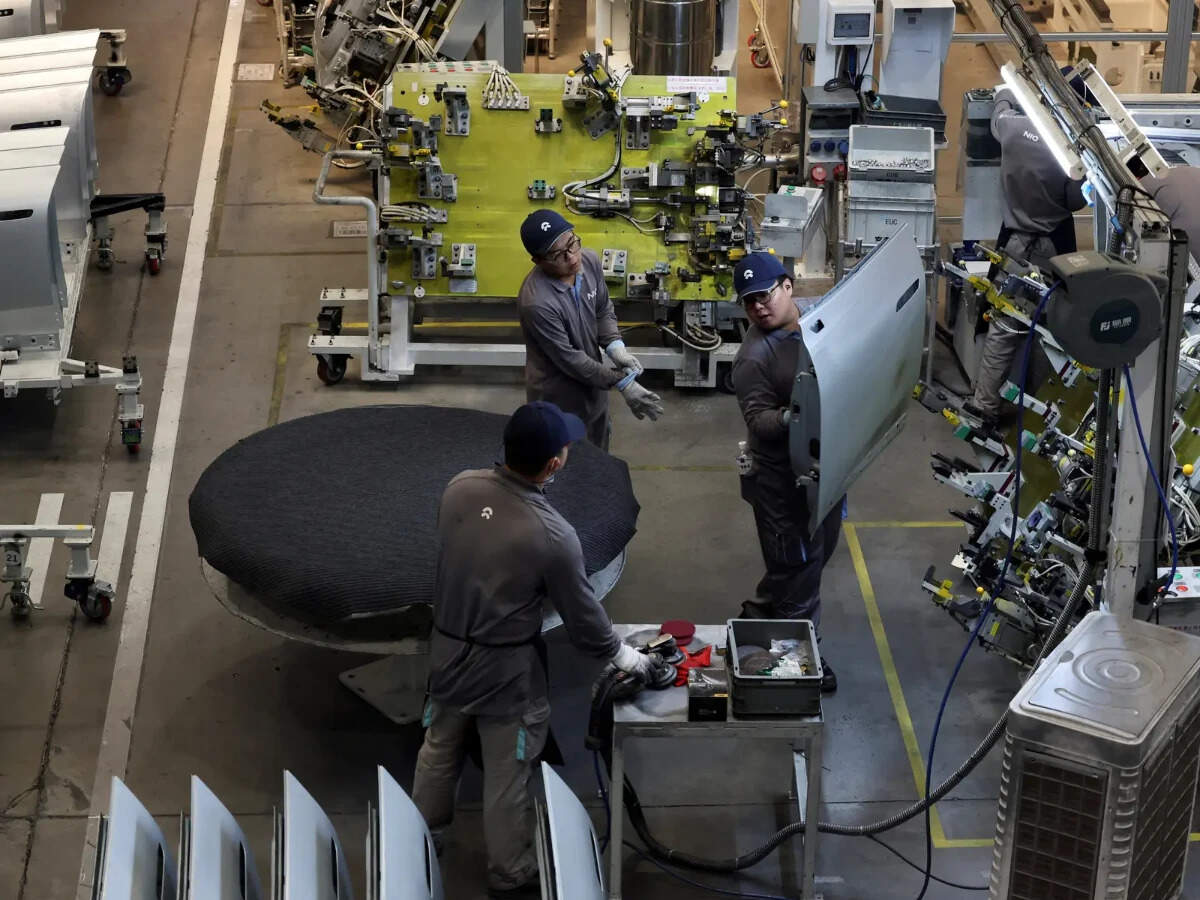
A year after companies shifted production and sourcing out of China to dodge higher U.S. tariffs, some firms are reconsidering their China-plus-one strategy and bringing manufacturing back. Heather Kuang, vice president of Dawang Metals, a China-based metal casting company, noted that a major U.S. customer returned with new orders after encountering difficulties in India.
Dawang Metals had previously explored moving some production offshore but ultimately abandoned the plan due to China's supply-chain advantage and difficulty replicating it elsewhere.
While companies continue to invest in Southeast Asia's manufacturing hubs, the China-plus-one approach has proven challenging to execute. Buyers who shifted production have reported that factories abroad struggle to match China's skilled labor, supplier networks, and reliable power. Despite this, Southeast Asian countries like India, Indonesia, and Vietnam have attracted investments from manufacturers in electronics, automotive, and other sectors.
The shifts are occurring ahead of an anticipated meeting between U.S. President Donald Trump and Chinese President Xi Jinping, where businesses will be watching for clarity on a proposed mechanism to lower barriers on non-sensitive goods. U.S. retailers like Target and Shein have also adjusted their operations, with Target moving some orders back to Chinese suppliers and Shein scaling back some activities in Vietnam.
Exporters in China have cited issues with sourcing equipment and finding necessary items in countries like Vietnam. They have returned to China due to the higher overall cost of production, despite initial cost differences. Stanislaw Krykun, CEO of a Polish packaging firm, explained that he dismissed relocating to Southeast Asia after experiencing problems in Vietnam, including production and export challenges.
While some exporters are not seeing increased U.S. demand, they remain cautious about the future. They are not optimistic about the Trump-Xi summit resolving their concerns and are seeking alternative export markets to sustain their businesses.
Written by urgent.news from The Economic Times - Economy's reporting — not their text. Machine-written — may contain errors; check the original before relying on it.