Fitzroy Crossing calls for stronger FASD support
Aboriginal leaders in WA's north have urged the state government to provide more support for fetal alcohol spectrum disorder.
The government's reaction to a coronial inquest recommending enhanced support for fetal alcohol spectrum disorder (FASD) in Australia's Kimberley region has come under scrutiny. Aboriginal leaders in Fitzroy Crossing are demanding increased assistance for the neurodevelopmental condition, which is prevalent in the Kimberley. Despite a 2019 inquest finding potential links between FASD and several child suicides, the state government asserts it will deliver an update this year.
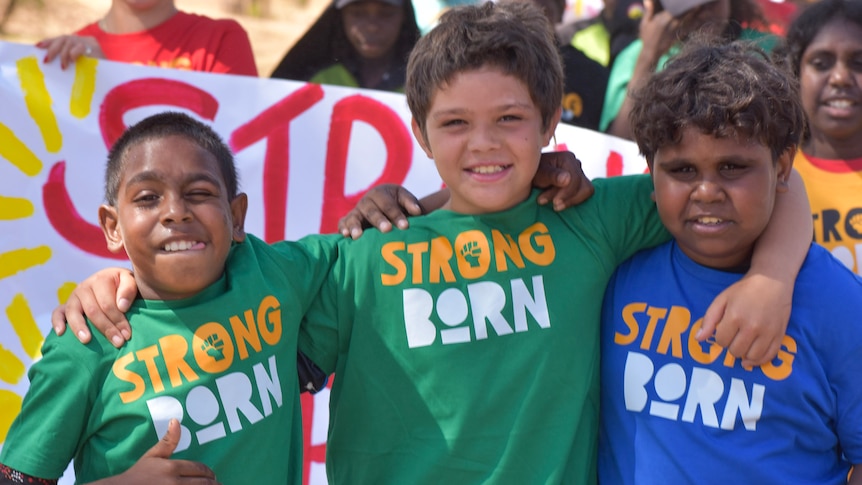
Since 2010, MWRC and Nindilingarri Cultural Health Services studies have revealed that one in five Fitzroy Valley children have FASD, among the highest rates in the world. The community has marched to increase awareness, with a 2018 study at WA's Banksia Hill Detention Centre revealing that over a third of assessed children had FASD.
The lack of access to assessments in the Kimberley, according to WA Children's Court president Hylton Quail, leaves vulnerable young people particularly susceptible if they encounter the justice system. MWRC's strategic priority lead, Sue Thomas, emphasizes that interventions after a child enters the justice system are too late, highlighting the need for earlier support.
The community has launched a culturally safe FASD health resources program, acknowledging the role of trauma in the lives of affected families.
Written by urgent.news from ABC News AU's reporting — not their text. Machine-written — may contain errors; check the original before relying on it.