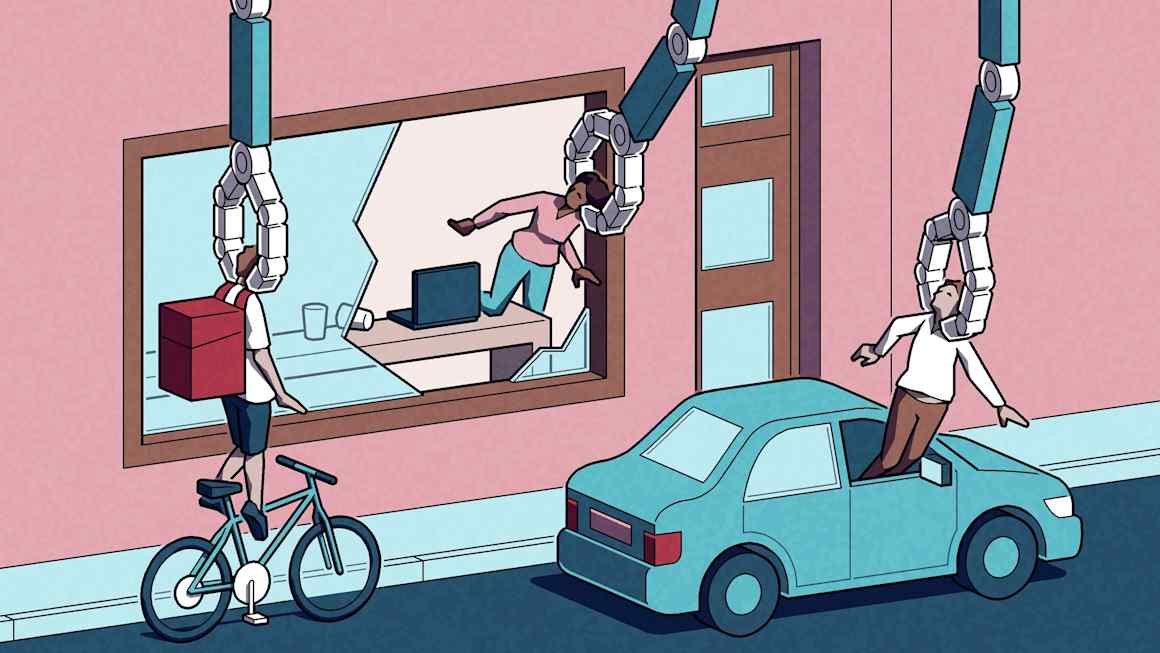
European capitals barter over Christine Lagarde’s successor at ECB
Eurozone governments are negotiating a ‘grand package’ over three of the central bank’s most senior roles
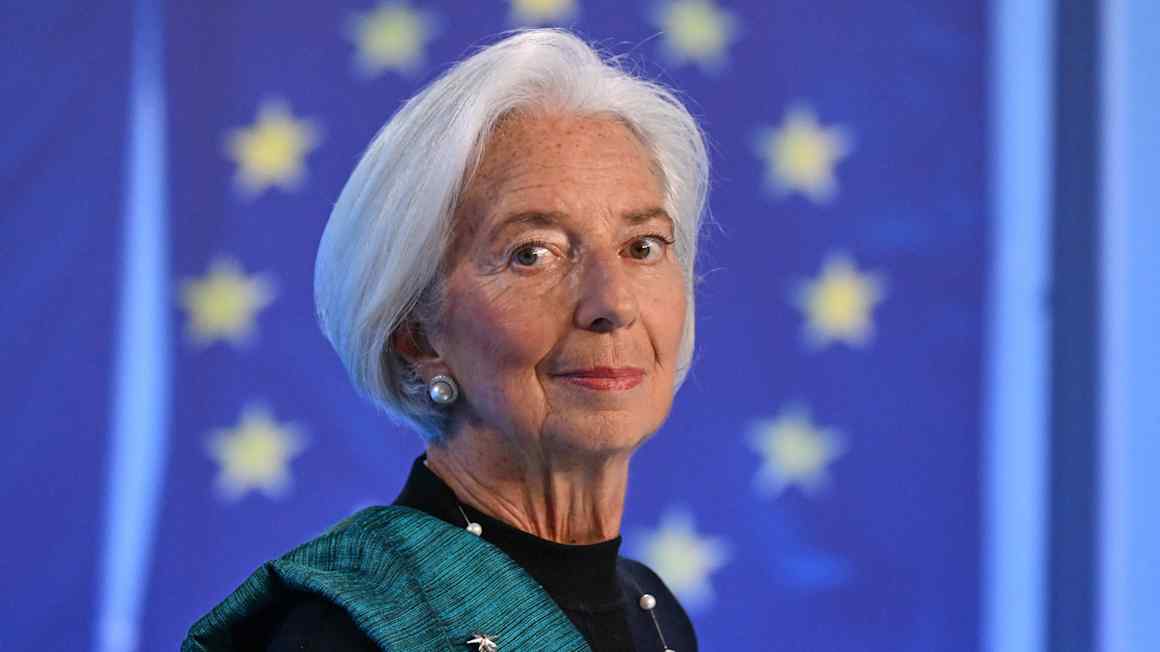
It is a particular pleasure to be here in Normandy, a region where the journalist grew up and still holds a strong attachment. The region's name evokes the words of the famous writer Maupassant, who described a deep and delicate bond to a place that the journalist feels when returning to Normandy. She emphasizes that being Norman, French, and European simultaneously are all part of her identity, with each aspect complementing the others.
She highlights that the European Union was established to protect each region's unique characteristics and provide a broader platform for them. The EU prefers investing in regions rather than expecting people to relocate. The area offers an excellent vantage point to evaluate Europe's achievements, current challenges, and potential for the future.
Europe has enabled Normandy to leverage its regional strengths, become a global player, and contribute to the single market's overall success. The Calvados region, with its orchards, producers' knowledge, and centuries-old traditions, benefits from a vast export market. Nearly 10% of the region's GDP in 2022 came from small businesses exporting goods worth nearly 10% of the region's GDP, with the United States representing their largest export destination.
Three key factors have helped Calvados producers thrive: (1) free access to a large customer base within the EU, (2) protection of product value through the EU's geographical indications system, and (3) European structural funds allocated for development projects. The European funding has supported projects like extending the quay in Cherbourg, which has enabled the offshore wind industry to grow and create around 800 jobs.
However, Normandy, like other regions in Europe, faces new challenges in a rapidly changing world. Geopolitical events such as Russia's invasion of Ukraine, US tariffs on EU goods, and conflicts in the Middle East have increased the region's vulnerability to external shocks. Moreover, technological advancements, particularly artificial intelligence, are transforming economies, with services and digital services driving growth.
Currently, the EU's Single Market for services is lagging behind, and capital investment barriers persist across borders.
As a result, many talented individuals and businesses seeking new opportunities leave Europe. More than 400 companies valued at over a billion dollars have founders who grew up in Normandy, together worth around USD 1.8 trillion. Additionally, wealth and growth are no longer intertwined, as many families now invest savings in the United States rather than Europe.
Addressing these challenges requires continued momentum in two priority areas: strengthening the Single Market for services and reducing capital investment barriers. The journalist notes that governments and European institutions are already taking action, with initiatives to secure energy supplies, complete the Single Market, and mobilize savings domestically.
Written by urgent.news from ECB Press's reporting — not their text. Machine-written — may contain errors; check the original before relying on it.
This story
This is one outlet's version. Read the fullest account.
- Christine Lagarde: Europe seen from Normandy ecb.europa.eu