EU changes course on EES as nine countries further delay biometric checks
If you are travelling into the Schengen area from outside the EU, you may have been expecting the new biometric […]
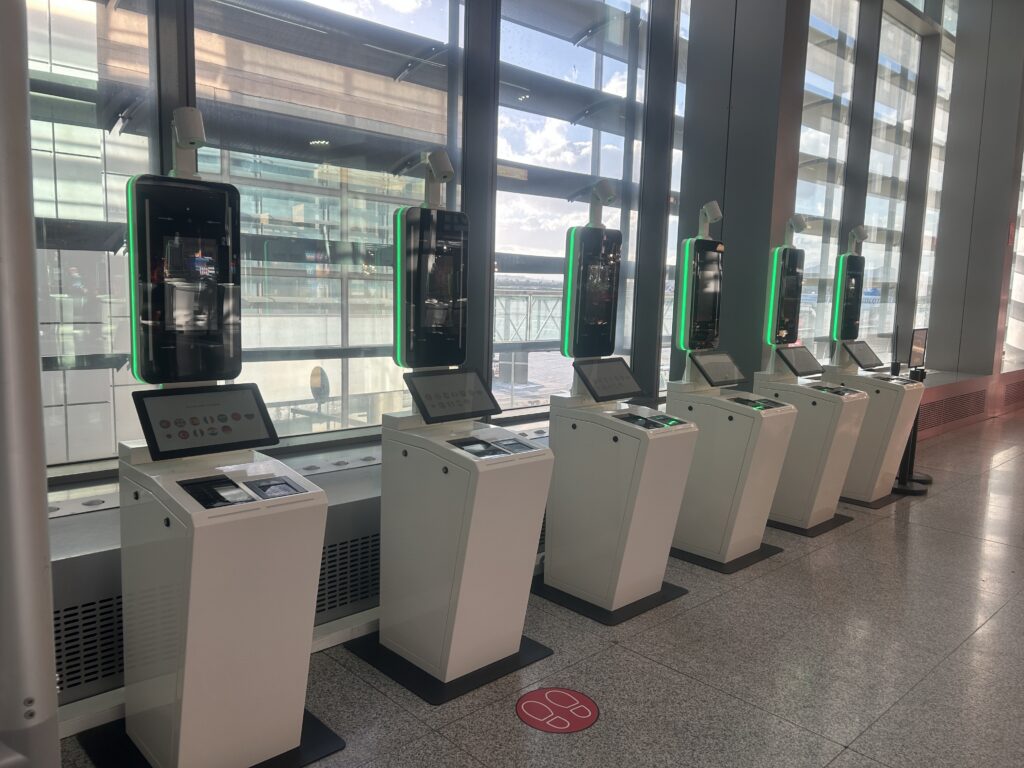
The European Union is altering its approach to the Entry/Exit System (EES) due to nine Schengen countries delaying the implementation of biometric border checks. This decision comes after nine countries, including Belgium, Germany, Greece, Italy, Malta, the Netherlands, Portugal and Switzerland, informed Brussels that they are not yet prepared to fully enforce the new checks.
The temporary flexibility built into the system expired on September 6, allowing countries to suspend biometric registration if queues became too long. Now, Brussels has reportedly agreed to grant these nine countries additional time to resolve technical issues before fully implementing the biometric checks. The nine countries argue that they need more time to ensure the necessary technology and systems are in place, in order to maintain border fluidity and avoid severe queues at busy crossings.
While Spain is also experiencing problems with the EES rollout, it has chosen to fully implement the system rather than requesting additional flexibility. For travelers, the experience can vary significantly depending on the country they enter, as some border crossing points may still be experiencing technical difficulties and long queues.
The change could mean that British travelers arriving in France, Portugal, Belgium, Germany, Greece, Italy, Malta, the Netherlands or Switzerland might not always face immediate full biometric registration. However, this does not mean the EES has been cancelled in those countries.
Written by urgent.news from Euro Weekly News's reporting — not their text. Machine-written — may contain errors; check the original before relying on it.