Economía que lleva al populismo
Detener a la extrema derecha exige medidas serias contra el malestar y esto pasa por cambiar radicalmente la organización económica global
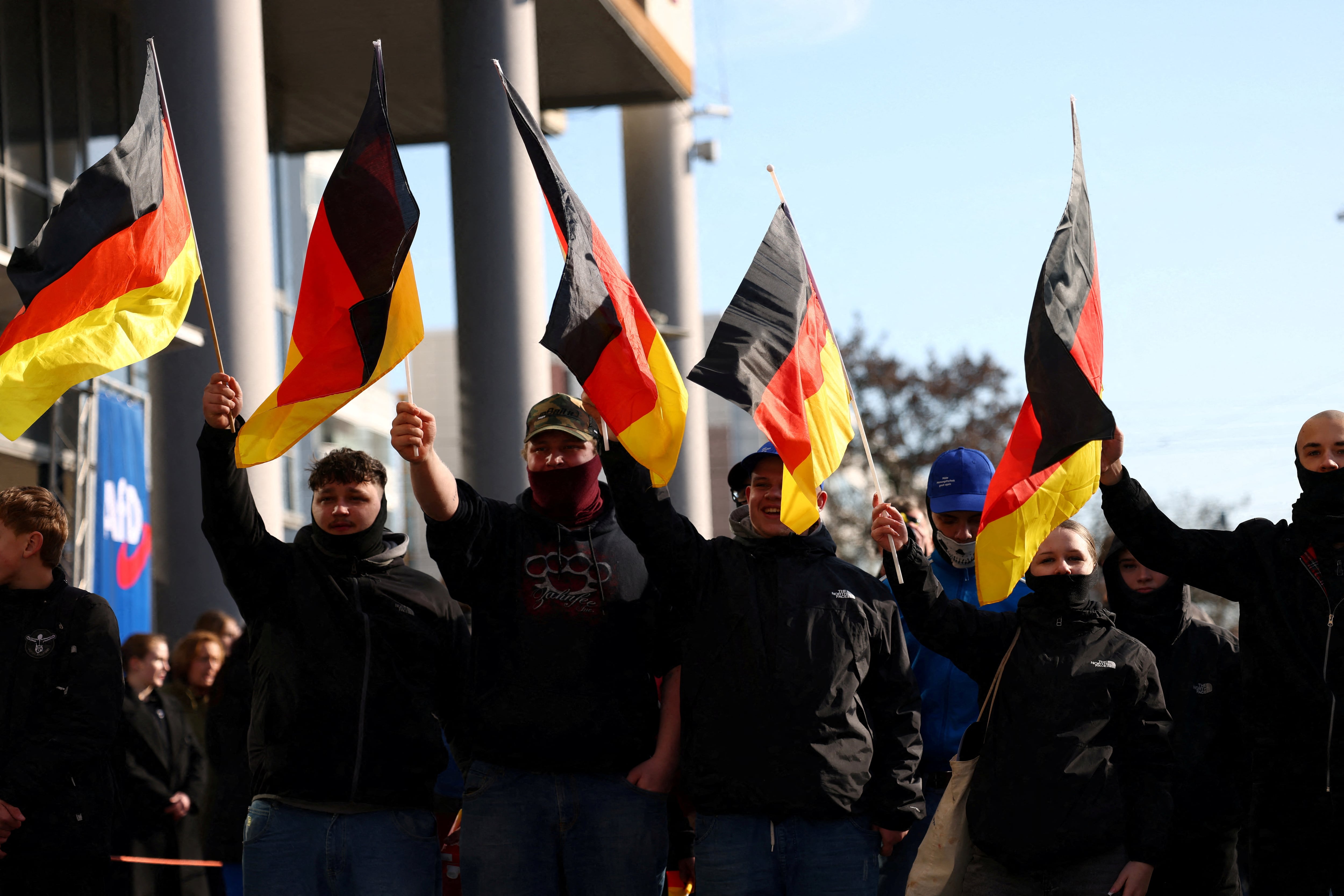
The recent surge of far-right movements in Germany has heightened fears of their spread across Europe, with populist sentiments gaining momentum. Populism thrives on simplistic and misleading answers to the woes of large portions of the population. The underlying malaise is undeniable, and while its causes are diverse, inequality plays a decisive role.
What is particularly unsettling is the sense of powerlessness many citizens feel in the face of authorities' inability to manage the flow of capital that drives the global economy.
Renowned economists argue, however, that an alternative form of economic and financial organization is not only possible but also desirable. Inflation, debt, and the price of money are not the product of uncontrollable dynamics; rather, they are outcomes of human decisions that can be altered. In 2014, three Bank of England economists, Michael McLeay, Amar Radia, and Ryland Thomas, clearly demonstrated how money is created, debunking widespread misconceptions.
They revealed that "most of the money in today's economy is created through commercial banks' lending," a concept that diverges from popular beliefs.
Contrary to popular notions, banks do not merely act as intermediaries, receiving deposits from savers and lending them out. Nor do they multiply central bank money to generate new deposits and loans. The quantity of money in an economy ultimately depends on the central bank's monetary policy. Recently, in 2024, economist Thomas Piketty and philosopher Michael Sandel further challenged the fatalistic views of conventional economic ideas in their book "Inequality: What It Is and Why It Matters."
They exposed who truly owns the money to dismantle the arguments of the wealthy who refuse to pay taxes. Piketty retorted to those who claim, "Well, it's your money; you can send it to a tax haven and avoid paying taxes because, ultimately, the money is yours": "No, it isn't. Money is the collective work of millions of people. It could never have been generated without public infrastructure or our legal and legal system.
You are not alone in this world and cannot simply claim, 'It's my money.'" Reorganizing the world without regulating capital movements and tax evasion leaks is a daunting task.
According to the EU's Fiscal Observatory and the Norwegian fiscal research center Skatteforsk, "The Atlas of the Offshore World" provides a map of tax havens, revealing shocking figures. Greece loses 47% of corporate taxes, Germany 29%, and Spain 12%. Significant sums that could alleviate the growing malaise are being lost. To combat the rise of the far right, serious measures are needed to address the underlying malaise, which requires fundamentally changing the global economic organization. The current system leads directly to populism.
Written by urgent.news from El Pais Economia's reporting — not their text. Machine-written — may contain errors; check the original before relying on it.