DRC’s Ebola Outbreak Has the Potential to Become a Global Pandemic. How to Make Sure It Doesn’t
Bundibugyo is spreading exponentially in the DRC The post DRC’s Ebola Outbreak Has the Potential to Become a Global Pandemic. How to Make Sure It Doesn’t appeared first on Nautilus .
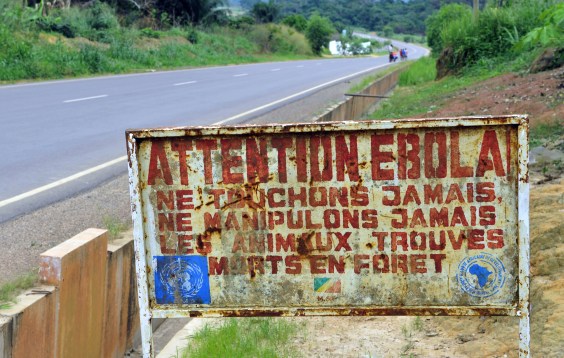
Bundibugyo, a strain of Ebola, is rapidly spreading across the Democratic Republic of Congo (DRC), raising concerns that it could evolve into a global pandemic. As an infectious disease epidemiologist specializing in Ebola, I have observed the 2014-2016 outbreak in Sierra Leone and believe Bundibugyo poses a similar risk.
Determining the true extent of the outbreak is difficult due to its swift pace, making it challenging to accurately measure key metrics such as incidence and case fatality rates. The reality is that the virus may have already spread extensively before it was officially detected, leading to significant backlogs in treatment, surveillance, and contact tracing efforts.
Several factors contribute to the outbreak's rapid spread, including super-spreaders, limited data, insufficient therapeutics and vaccines, slow public health interventions, community engagement challenges, and ongoing armed conflict. Super-spreaders, individuals who transmit the virus to numerous others, play a significant role in the outbreak's exponential growth, accounting for over 60% of sustained transmission in previous outbreaks.
The rarity of the Bundibugyo strain and the lack of appropriate diagnostic kits have hindered early detection, allowing the virus to spread unchecked. Furthermore, the age groups most affected by the outbreak, particularly individuals aged 18-49 and children under 15, are less likely to recognize symptoms and seek timely treatment, facilitating continued transmission.
The ongoing conflict in the eastern DRC exacerbates the situation, as insecurity hampers access to medical care and impedes control measures. The limited data available, with only 20% of Bundibugyo cases traced to recognized contacts, makes it difficult to control the outbreak effectively. Addressing these challenges requires immediate action to bolster diagnostic capacity, increase awareness of symptoms, and enhance community engagement and trust in public health interventions.
Written by urgent.news from Nautilus's reporting — not their text. Machine-written — may contain errors; check the original before relying on it.