Data from Greater Bay Area’s 88 million residents to help improve healthcare policy: GSK
British pharmaceutical company GSK is turning to patient data gathered from the 88 million residents of the Greater Bay Area’s 11 cities to speed up drug development in vaccines and cancer care, as officials push for closer cross-border medical cooperation. GSK Hong Kong and Macau general manager Nicholas Teo said patient data was very important because it could form “supplementary evidence” to…
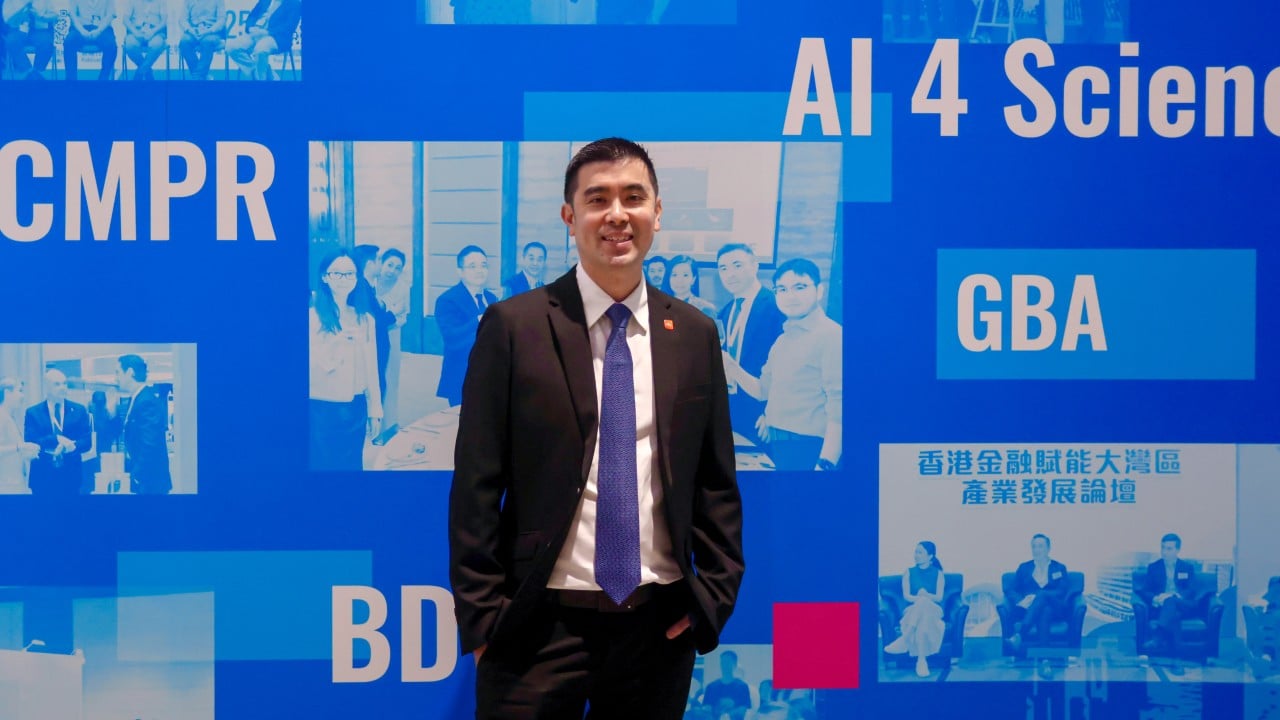
British pharmaceutical giant GSK is leveraging patient data from the 88 million residents of the Greater Bay Area in China to accelerate vaccine and cancer treatment development. The company's Hong Kong and Macau general manager, Nicholas Teo, highlighted the value of patient data as supplementary evidence for regulatory filings and potential label expansions, in addition to uncovering benefits beyond the medication itself.
Vaccines, such as those against flu, shingles, and respiratory syncytial virus, have established efficacy, but researchers are increasingly investigating potential cardiovascular and neurological benefits. GSK's strengths lie in vaccination, disease prevention, and oncology and haematology, with a focus on shingles, respiratory syncytial virus, and hepatitis B. The Greater Bay Area, a Chinese government initiative integrating Hong Kong, Macau, and nine mainland cities, boasts a combined GDP exceeding US$2.23 trillion.
In September, GSK signed an agreement with the University of Hong Kong and the Greater Bay Area International Clinical Trial Institute to study the long-term health effects of the shingles vaccine. GSK will fund the HKU-led research and invest in shared data infrastructure, utilizing patient data from hospitals and government agencies through the institute.
Cheung Ching-lung, the institute's director of the real-world study and application center, emphasized the importance of real-world data from routine clinical practice in driving evidence-based decision-making through global collaboration. HKU pharmacy professor Ian Wong outlined the necessary infrastructure, government regulation, ethics, and public education as the foundation for effective real-world data utilization.
Teo stressed that better data leads to better decisions, enabling governments to make informed choices on medication or vaccine availability, subsidies, or access.
Written by urgent.news from South China Morning Post's reporting — not their text. Machine-written — may contain errors; check the original before relying on it.
This story
This is one outlet's version. Read the fullest account.