Cómo tomar decisiones cuando la oficina es como un circuito de F1
Bernie Collins convirtió durante años datos incompletos, riesgo e incertidumbre en decisiones capaces de cambiar carreras de Fórmula 1. La exresponsable de estrategia de Aston Martin explica qué pueden aprender los directivos del 'pit wall': anticipar escenarios, identificar el riesgo crítico, confiar en los expertos y analizar cada decisión una vez tomada. Leer
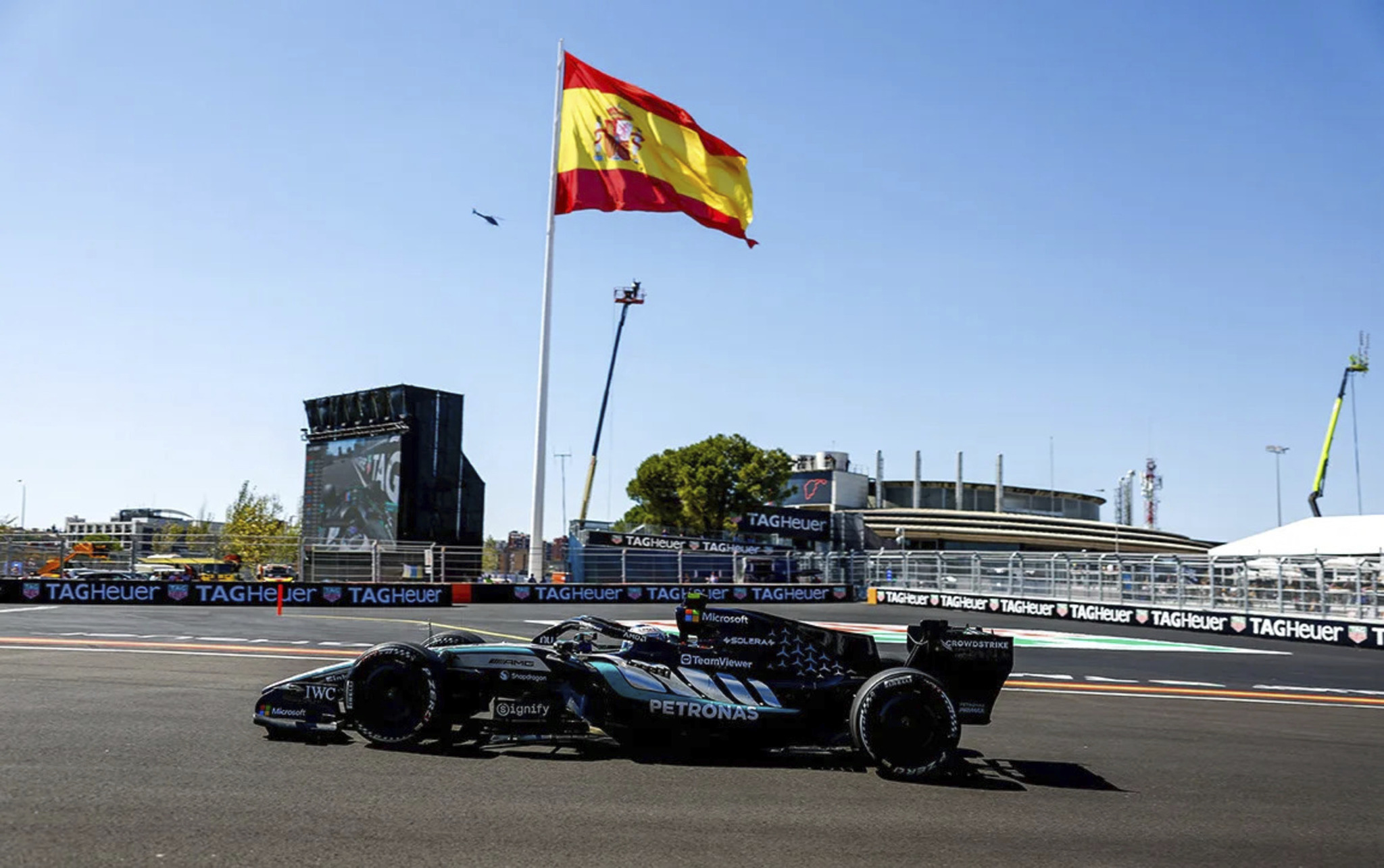
Taking decisions when the office resembles an F1 circuit is a crucial skill for executives. Just like in Formula 1, where every moment involves quick choices, business leaders often face limited data and future predictions. This parallels the unpredictable nature of races, where the response to unexpected events sets high-performing teams apart from the rest, according to Bernie Collins, a former strategy director at Aston Martin and McLaren who attended the race in Madrid and participated in a JW Marriott Madrid event.
The key to making decisions in under a second, as Collins explains, is analyzing both risks and rewards. One must consider the best possible outcome and the worst-case scenario, identifying the most critical decision or risk ahead. In the office, this could mean waiting to make a decision, but it's essential to know when to act. Unlike in F1, where not taking an action like entering the boxes is itself a decision, in business, it's similar.
Effective leaders trust their experts when making decisions. After a race or event, Collins advocates for reviewing the decisions made, reflecting on how they could have been different, and basing subsequent choices on solid data, while remaining honest in the analysis. Sometimes, decisions may turn out to be wrong, but the post-analysis process allows learning from these errors, emphasizing the importance of making the right decision first.
Collins, who authored the book 'How to Win a Grand Prix,' also recognizes the role of intuition in decision-making, particularly under challenging conditions such as rain or mixed weather. While decisions are typically data-driven, sometimes human instinct proves more effective in predicting others' reactions. In contrast to the frenetic pace of F1 decision-making, in real-life business settings, people may have differing opinions, but they tend to clarify their points using numbers and data graphs.
Ultimately, leaders must make a decision and then re-analyze it, often consulting with experts in various fields to reach a well-informed choice, be it in business or on the racetrack.
Written by urgent.news from Expansion ES's reporting — not their text. Machine-written — may contain errors; check the original before relying on it.