Chanel: The Designer Revamp That Worked
How did a 115-year-old brand rocket back to growth amid a downturn in luxury demand? Drawing on interviews with Chanel fashion president Bruno Pavlovsky, artistic director Matthieu Blazy, group CEO Leena Nair and more, this report breaks down the multi-faceted strategy that reignited desirability and sales, allowing the French couture icon to solidify its position in ‘ultimate luxury.’
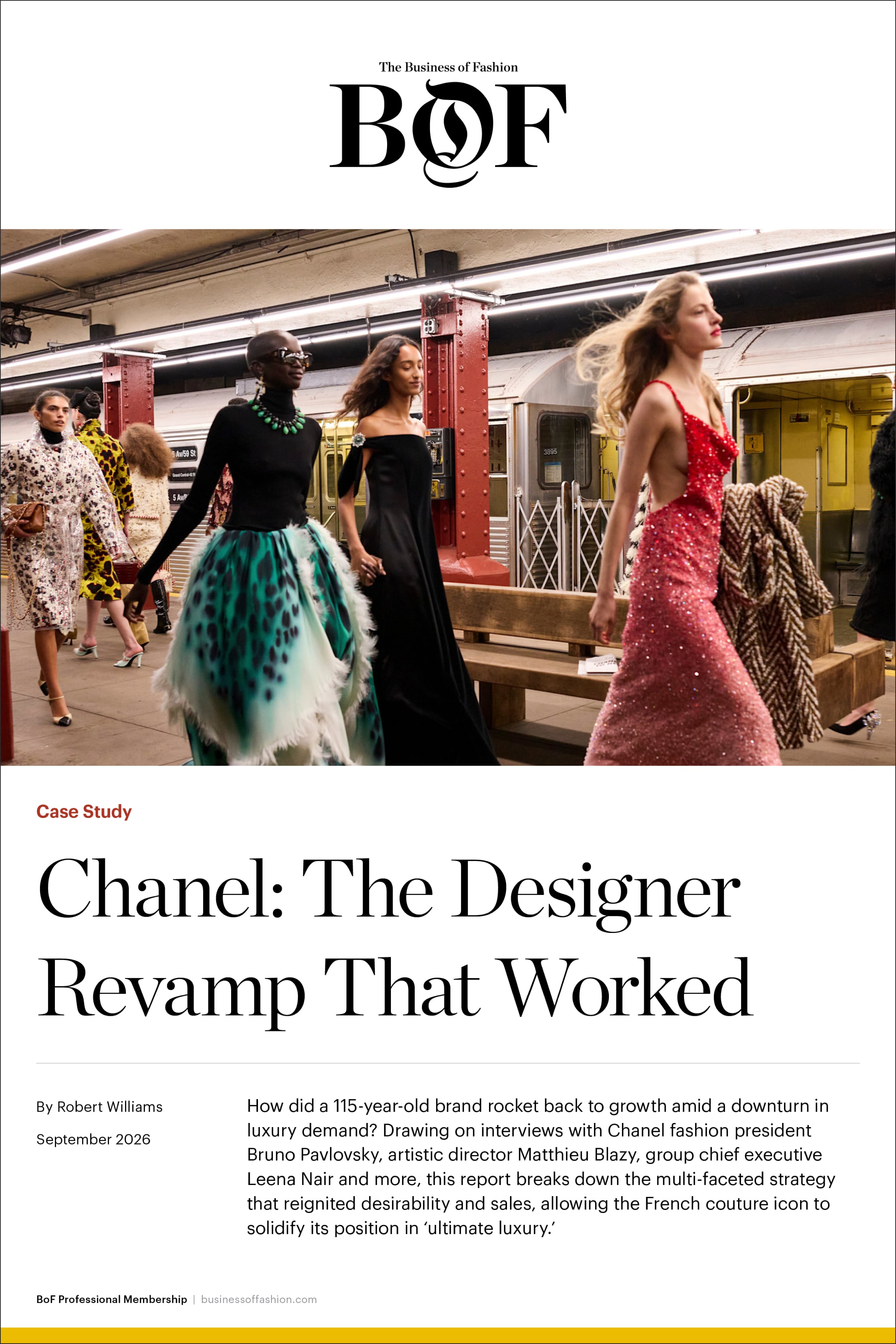
Chanel, one of the world's most iconic and revered luxury brands, has made a remarkable comeback in the fashion industry, defying a sluggish market for high-end goods. The brand's success story serves as a testament to the power of a well-executed creative renaissance.
In an unprecedented year that witnessed a flurry of designer revamps across the fashion landscape, including three of the top five brands, Chanel has emerged as the clear leader in reviving desirability and sales. The company's strategic overhaul, spearheaded by a new artistic director, Matthieu Blazy, has breathed new life into the brand's aesthetic and customer base.
The decision to revamp Chanel came at a critical juncture. Sales had been on a downward trajectory in 2024, primarily due to steep price hikes, incidents of quality concerns, and a perceived lack of innovative design. The brand's loyal clientele, which has been the backbone of its nearly $20 billion revenue, had begun to pull back, wary of the rising prices and perceived decline in quality.
With prices for the brand's signature quilted handbags now surging past $10,000, Chanel had to meticulously balance the need to reinforce its value proposition with the imperative of preserving its reputation for timeless elegance. The brand's historical reluctance to undergo creative turnover, given that it had only transitioned artistic directors twice in its 115-year existence, further highlighted the stakes of this ambitious endeavor.
As the dust settled one year after Blazy's appointment, Chanel had not only reversed its sales trend but also managed to attract a new cohort of younger, fashion-forward consumers. By the end of 2025, the brand had shifted into a modest growth phase, a trend that accelerated further in 2026. The fashion division, in particular, reported an impressive sales increase of up to 16 percent in the first half of the year, significantly outpacing the industry average, which remained stuck in the low-single digits amid a multi-year slump in demand.
Written by urgent.news from Business of Fashion's reporting — not their text. Machine-written — may contain errors; check the original before relying on it.
Also reported by 1 other outlet
- BoF Professional Masterclass | Chanel: The Designer Revamp That Worked businessoffashion.com