Can we stop ships from killing the Mediterranean’s last great whales?
Collisions with ships are a leading anthropogenic killer of the Mediterranean’s two endangered large-bodied cetacean species, sperm and fin whales. In 2025, thousands of vessels traveled through the Mediterranean’s key whale habitats at speeds above 15 knots (28 km/h), the threshold at which vessel strikes are almost always fatal, according to an analysis by Magma […]
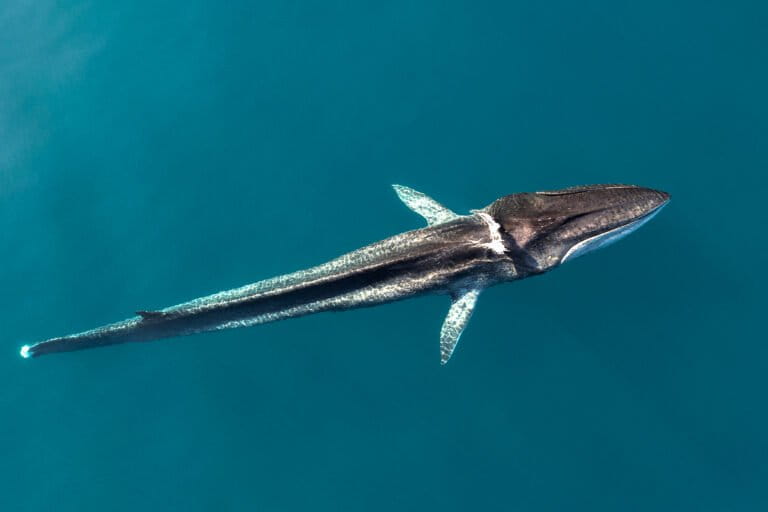
In 2023, Lisa Stanzani, a marine biologist and founder of Sotto al Mare, discovered a deceased sperm whale on a beach in Ostia, Italy. The cause of death was evident from the deep, clean wound on its head, which matched a video she received weeks earlier from a colleague. Stanzani identified the young whale as having been killed by a vessel's propeller.
This incident highlights the ongoing threat posed by maritime traffic to the Mediterranean's two endangered large cetacean species, sperm and fin whales. A recent analysis by Magma Magazine and Mongabay found that in 2025, thousands of vessels traveled through key whale habitats at speeds exceeding 15 knots (28 km/h), a threshold at which vessel strikes are almost always fatal.
The visualization created by Mongabay using vessel and whale telemetry data illustrates the density of maritime traffic and the continuous threat it poses to whales in the Mediterranean. Potential solutions to mitigate this issue include implementing vessel speed restrictions, rerouting ship traffic away from whale habitats, and installing systems that alert ships to the presence of whales.
Written by urgent.news from Mongabay's reporting — not their text. Machine-written — may contain errors; check the original before relying on it.