BUILDING A NATION: State development finance institutions push for bright post-austerity future
The Development Bank of Southern Africa and the Industrial Development Corporation are experiencing contrasting fortunes, but the future of South Africa’s economic development still looks bright.
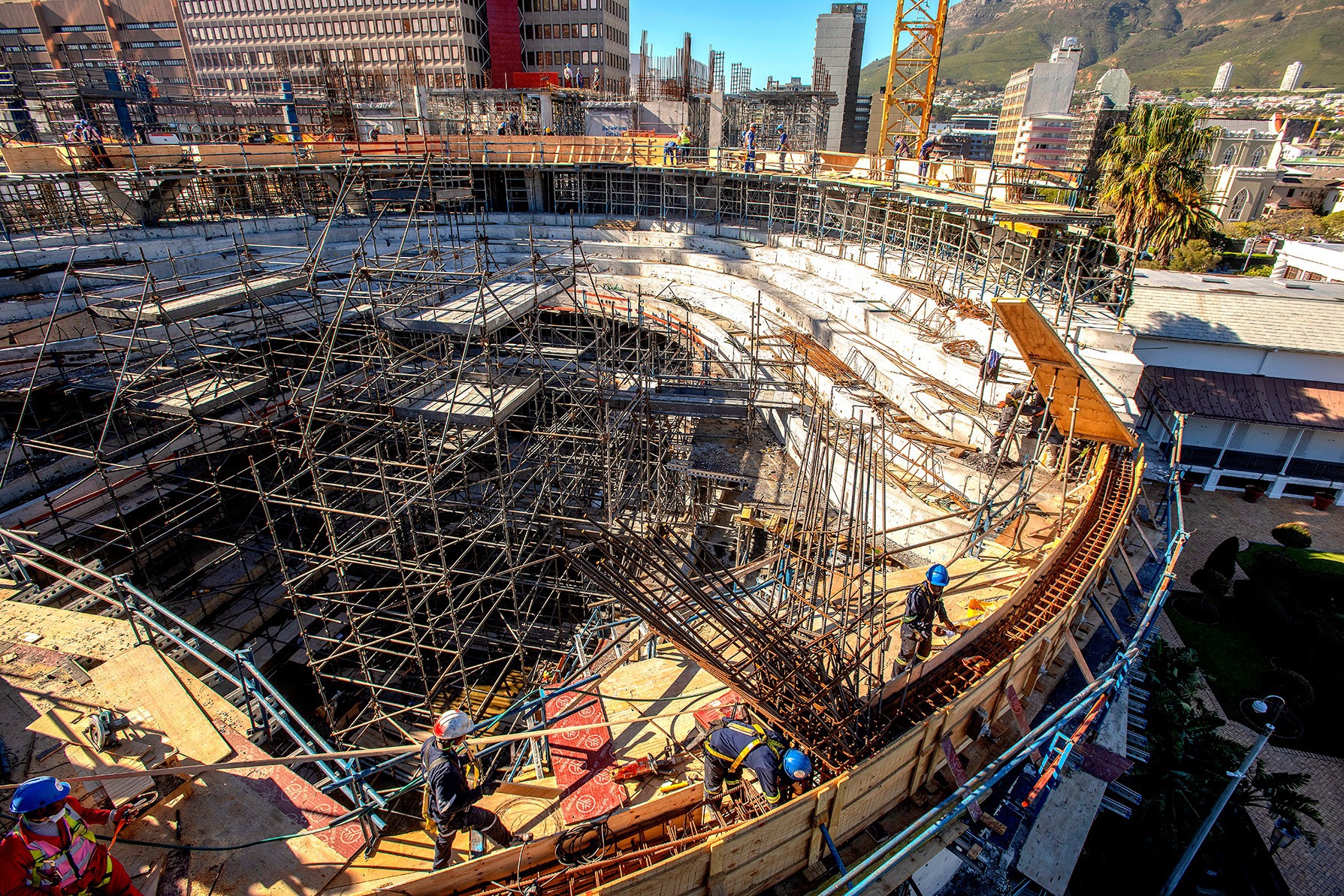
The Development Bank of Southern Africa (DBSA) and the Industrial Development Corporation (IDC) are currently experiencing different outcomes, but South Africa's economic development outlook remains optimistic. In the lead-up to the government's Medium Term Budget Policy Statement, the DBSA reported its highest profits yet, increasing by 47% to R7.8-billion. Meanwhile, the IDC saw a R4.7-billion net loss from a R329-million profit the previous year.
The IDC's funding demands have shifted from large-scale industrial projects to more resilient investments, such as embedded generation, process automation, and cost-reduction technology. This shift is driven by weak domestic demand and declining fixed investment growth. However, the bank has entered into a strategic partnership with the DBSA to co-finance energy security and decarbonization initiatives in Special Economic Zones (SEZs).
Both institutions are also investing in national power grid rollout, with the IDC supporting the Credit Guarantee Vehicle for Independent Transmission Projects alongside the National Treasury and the Department of Electricity. The DBSA's Infrastructure Fund and IDC are joint anchors under Infrastructure South Africa frameworks for Strategic Integrated Projects, whose portfolio value has grown by 59% since 2020 to reach R540-billion.
South Africa's failure to incentivize domestic private exploration capital has contributed to the loss of local savings. In contrast, a visit to Russia by the Minister of Finance, Enoch Godongwana, highlighted how international sanctions led to the repatriation of capital and infrastructure development. This experience prompted Godongwana to acknowledge his role in capital leaving the country and to urge more local savings to be invested in South Africa.
While municipalities continue to pose a challenge due to losses in electricity distribution, the government managed to achieve a primary budget surplus, which brought national debt-to-GDP to a more stable and declining trajectory. Godongwana emphasized the importance of growth levels exceeding 3% for the country's post-austerity ambitions.
Written by urgent.news from Daily Maverick's reporting — not their text. Machine-written — may contain errors; check the original before relying on it.