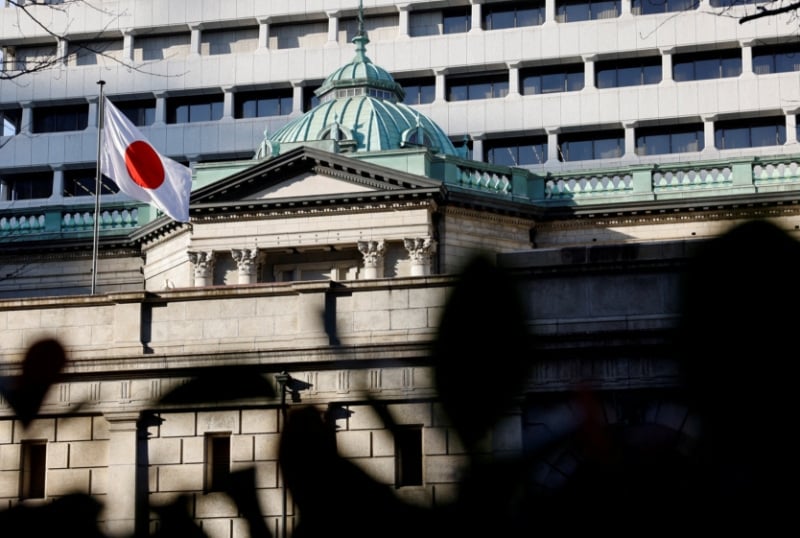
BOJ executive saw need for vigilance to 'non-linear' inflation spikes
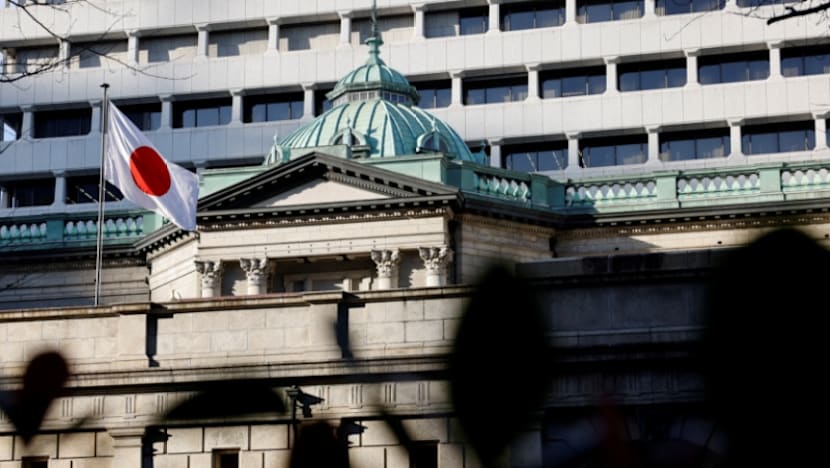
Japan's central bank acknowledged the need for vigilance regarding non-linear inflation spikes caused by import cost increases and currency shocks, as discussed in a Bank of Japan-hosted monetary policy conference in May. BOJ Executive Director Koji Nakamura emphasized that persistent inflation risks could lead to steady interest rate hikes.
The BOJ had raised interest rates to a 31-year peak of 1% in June and planned to increase them again the following week. The central bank's focus on supply-side inflation, driven by factors such as COVID-19, Russia's invasion of Ukraine, U.S. tariffs, and the Middle East conflict, highlights the challenges in managing inflation.
Nakamura pointed out that frequent supply shocks should not be treated as temporary, as they can elevate underlying inflation and inflation expectations. Japan has experienced non-linear reactions to external shocks, with domestic prices surging due to import price and exchange rate fluctuations. The BOJ's recent decision to keep raising rates is influenced by a tight job market, rising import costs from a weak yen, and higher fuel costs stemming from the Middle East conflict, all contributing to the risk of inflation overshooting its 2% target.
Written by urgent.news from Channel News Asia's reporting — not their text. Machine-written — may contain errors; check the original before relying on it.
This story
This is one outlet's version. Read the fullest account.