Behind One the Greatest Post-Punk Songs Ever Recorded
The Ian Curtis whose torch singing floats above the high bass and glistening synths of “Love Will Tear Us Apart” is hardly recognizable as the guy who sang “She’s Lost Control” or “Dead Souls.” It makes sense that the song
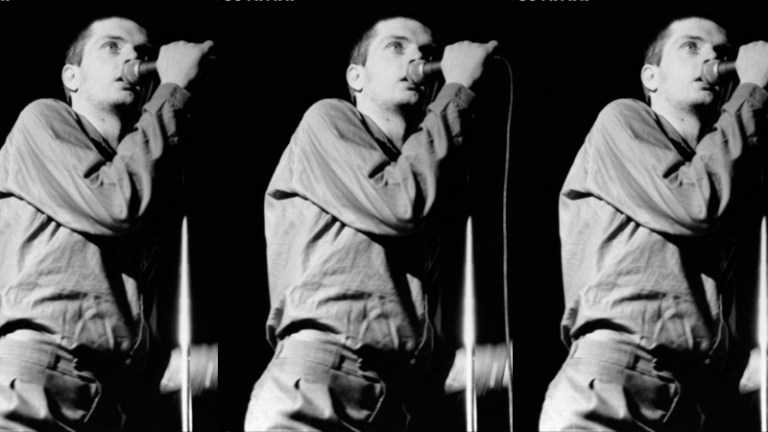
Ian Curtis, lead singer of Joy Division, is remembered for his emotive singing on the post-punk classic "Love Will Tear Us Apart." This song stands out as one of the greatest singles ever recorded, even though it diverges significantly from the music the band released on its first album, Unknown Pleasures, and their final album, Closer. Following Curtis's tragic suicide in 1980, the remaining members of Joy Division formed New Order, which has also achieved great success.
"Catchy" doesn't quite capture the essence of "Love Will Tear Us Apart." The song is a raw expression of heartbreak, unlike the "pop love song" that post-punk artists, including Joy Division, were known for avoiding. The title itself is somewhat ironic, as the Captain and Tennille had a No. 1 hit in 1975 with "Love Will Keep Us Together," a song that promises enduring love, which Curtis certainly didn't believe in.
Curtis's personal life was in turmoil when he wrote "Love Will Tear Us Apart." He was emotionally involved with Belgian journalist Annik Honoré, though he insisted their relationship was platonic, while his marriage to Deborah was crumbling. The band's constant touring exacerbated his condition, as he also suffered from epilepsy and bipolar disorder. Despite filing for divorce, Curtis pleaded with Deborah to reconsider just days before his suicide on May 18, 1980.
The band, formed in post-punk Manchester, initially aimed to be a punk group. However, their style soon evolved, influenced by the bleak landscape of post-war Manchester as well as their unique motivator: expressing complex emotions. Peter Hook's distinctive bass playing, reminiscent of a guitar hero, and the band's ability to convey sadness and despair through simple melodies contributed to this shift.
"Catchy" doesn't quite capture the essence of "Love Will Tear Us Apart." The song is a raw expression of heartbreak, unlike the "pop love song" that post-punk artists, including Joy Division, were known for avoiding. The title itself is somewhat ironic, as the Captain and Tennille had a No. 1 hit in 1975 with "Love Will Keep Us Together," a song that promises enduring love, which Curtis certainly didn't believe in.
"Catchy" doesn't quite capture the essence of "Love Will Tear Us Apart." The song is a raw expression of heartbreak, unlike the "pop love song" that post-punk artists, including Joy Division, were known for avoiding. The title itself is somewhat ironic, as the Captain and Tennille had a No. 1 hit in 1975 with "Love Will Keep Us Together," a song that promises enduring love, which Curtis certainly didn't believe in.
Written by urgent.news from Literary Hub's reporting — not their text. Machine-written — may contain errors; check the original before relying on it.