Ashwini Bhide at Idea exchnage: ‘You cannot say that data centres should not be there. It creates jobs, but regulations will be put in place’
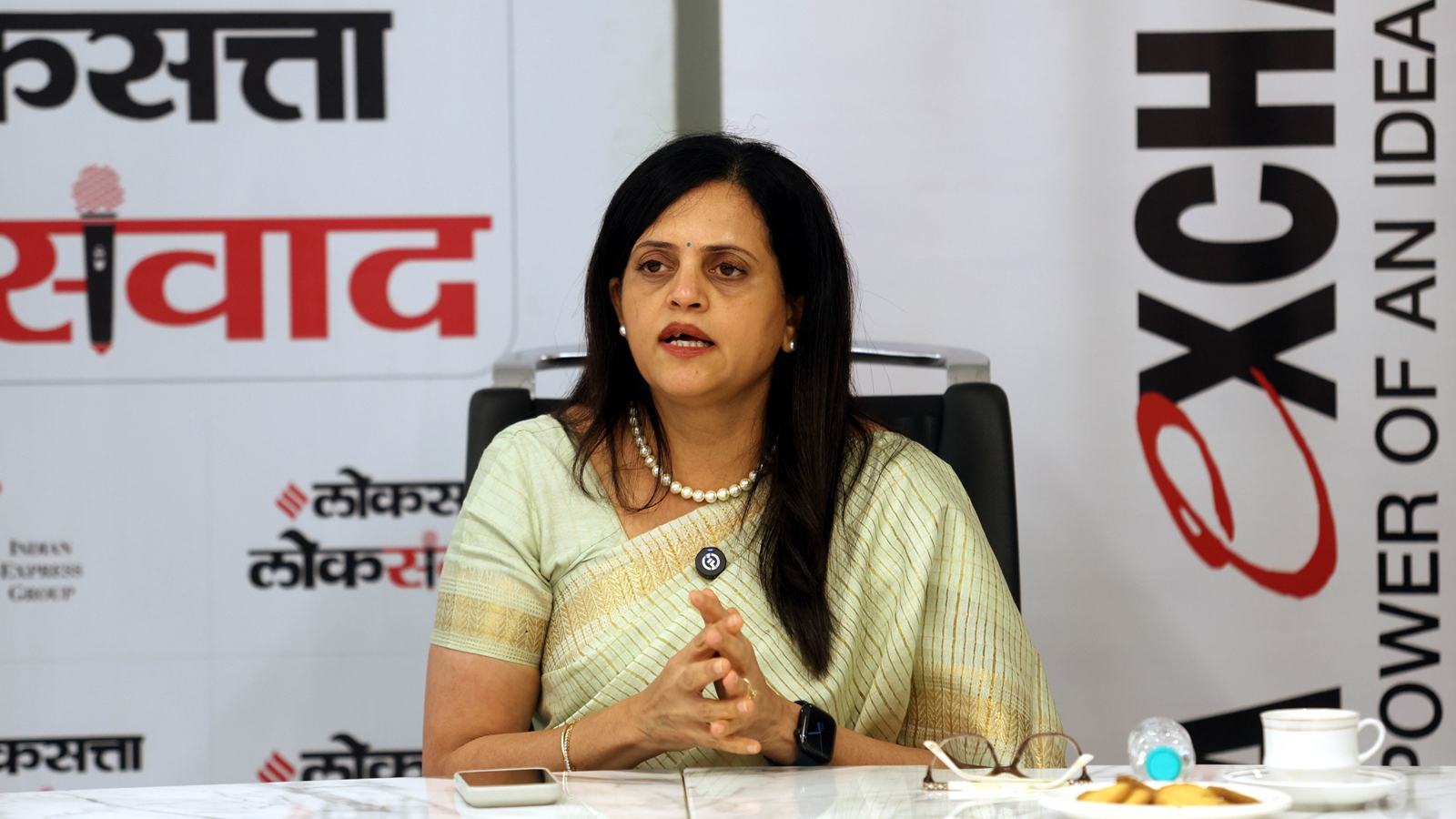
Ashwini Bhide, the commissioner of the Brihanmumbai Municipal Corporation (BMC), spoke about managing floods and air pollution in Mumbai. She addressed concerns about the presence of data centres in the city and noted that you cannot say data centres should not be there as they create jobs. However, regulations will be put in place to manage potential environmental impacts.
Bose pointed out that Mumbai's road network is limited due to its peninsular shape and proximity to the ocean. The city has only 2,050 km of road network compared to Delhi's 28,000 km. To address this, Mumbai has explored underground corridors like the Goregaon Mulund Link Road (GMLR) and the coastal ring road that connects Marine Drive and Virar.
Bhide mentioned that the BMC is continuously improving road quality, concretising approximately 700 km of roads. However, road quality is further affected by frequent trenching required to repair or augment the 27 to 30 utilities running beneath the roads. The BMC is developing a trenching policy to incentivize the use of dedicated ducts.
The BMC also discussed the shrinking fleet of BEST buses and the need for better last-mile connectivity. The city needs 7,000 to 10,000 buses, but currently, only has about 2,600-2,800 buses. The BMC is working on a pedestrian-first policy to improve pedestrian infrastructure and reduce encroachments near stations.
Despite the BMC's budget, Mumbai consistently ranks low on the national Swachh Survekshan list for cleanliness. The corporation collects 7,000 metric tonnes of solid waste and 8,000 metric tonnes of construction debris daily. The biggest challenge is dealing with waste from slums, where residents often do not use dustbins. The BMC has identified garbage vulnerable points (GVPs) and is deploying NGOs and using digital applications to eliminate them. However, citizens must also demonstrate self-discipline and avoid littering.
The 2005 floods in Mumbai highlighted the need for better storm water drainage. The current drainage system can handle 55 mm of rainfall in an hour, which is more than sufficient in normal situations. However, when rainfall exceeds 100 mm to 300 mm in low-lying areas within a short time, the network may fall short. The BMC has submitted an urban flood mitigation plan to the Central government, which will be funded under the National Disaster Relief Fund.
This plan includes early warning systems using predictions from IIT Bombay, ensuring pumps are operational, traffic police are informed, and rerouting is done as necessary.
Written by urgent.news from The Indian Express's reporting — not their text. Machine-written — may contain errors; check the original before relying on it.