Are jumping castles safe? An amusement ride safety expert explains
High-profile tragedies don't mean we should ban jumping castles or keep our kids off them. But there are important things to consider.
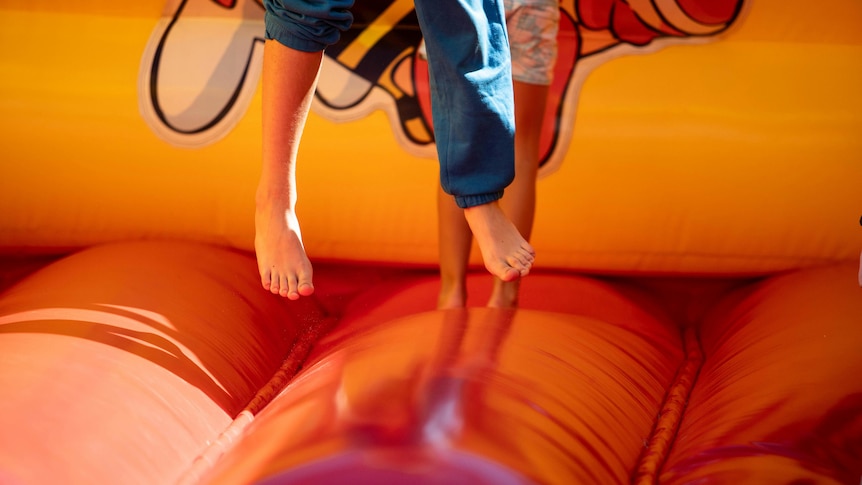
On Saturday, five children were taken to the hospital following two separate incidents involving jumping castles. In one case, two children sustained upper body injuries after being thrown from a jumping castle at a birthday party near Geelong, Victoria. Separately, in Sydney, two children and an infant were injured. The question remains: are jumping castles safe for children to use?
Experts in amusement ride safety suggest that jumping castles are generally safe, provided operators adhere to safety guidelines. In Australia, operators of amusement rides must comply with relevant health and safety laws, such as the Work Health and Safety Act in most states and territories, or the Occupational Health and Safety Act in Victoria.
These laws are designed to ensure that inflatable amusement rides, like jumping castles, are safe, reliable, and consistent. The Australian Standard AS 3533.4.1:2018 outlines safety requirements for these inflatables, particularly those with a platform height of 3 meters or higher. To be deemed safe, these inflatables must be plant registered, meaning they have been checked for safety and registered with authorities by qualified professionals.
Key safety measures for jumping castles include proper anchoring and not using them when wind gusts exceed 40 kilometers per hour. The most recent incidents on Saturday likely involved high winds, with forecasts of gusts up to 90 kilometers per hour in Geelong and 80 kilometers per hour in Sydney. Although the exact causes of the incidents are unclear, it is probable that the high winds played a role.
The most severe inflatable-related tragedy in Australia occurred in 2021 in Tasmania, where six children died and three were seriously injured after a jumping castle was lifted by a sudden high wind at Hillcrest Primary School. In this case, the operator was not held liable, as the wind was unforeseeable. Climate change is making extreme weather events more common, including gusty conditions that can lift jumping castles.
Additionally, there are concerns about the safety of inflatable castles purchased from overseas suppliers who may not adhere to Australian safety standards. In response to the Hillcrest tragedy, jumping castles have been banned from public schools and public land in Tasmania. While this decision reflects a desire to protect children, it also removes a popular childhood activity that can be safe when properly regulated.
Despite the rarity of serious incidents, some gaps in the current safety regime warrant attention. Consumers should verify that inflatable castles comply with Australian Standard AS 4333.4.1:2018, often labeled on the product. Similarly, operators should ensure they follow safety guidelines and stay informed about weather conditions.
According to the Beaufort Scale, if small tree branches begin to sway, it's time to deflate the inflatable. It is essential to recognize that tragic events do not necessarily mean we should ban jumping castles or keep children away from them. Instead, regulators should focus on addressing import loopholes and ensuring strict compliance with safety standards, while operators must remain vigilant and adhere to regulations even more diligently.
Written by urgent.news from ABC News AU's reporting — not their text. Machine-written — may contain errors; check the original before relying on it.