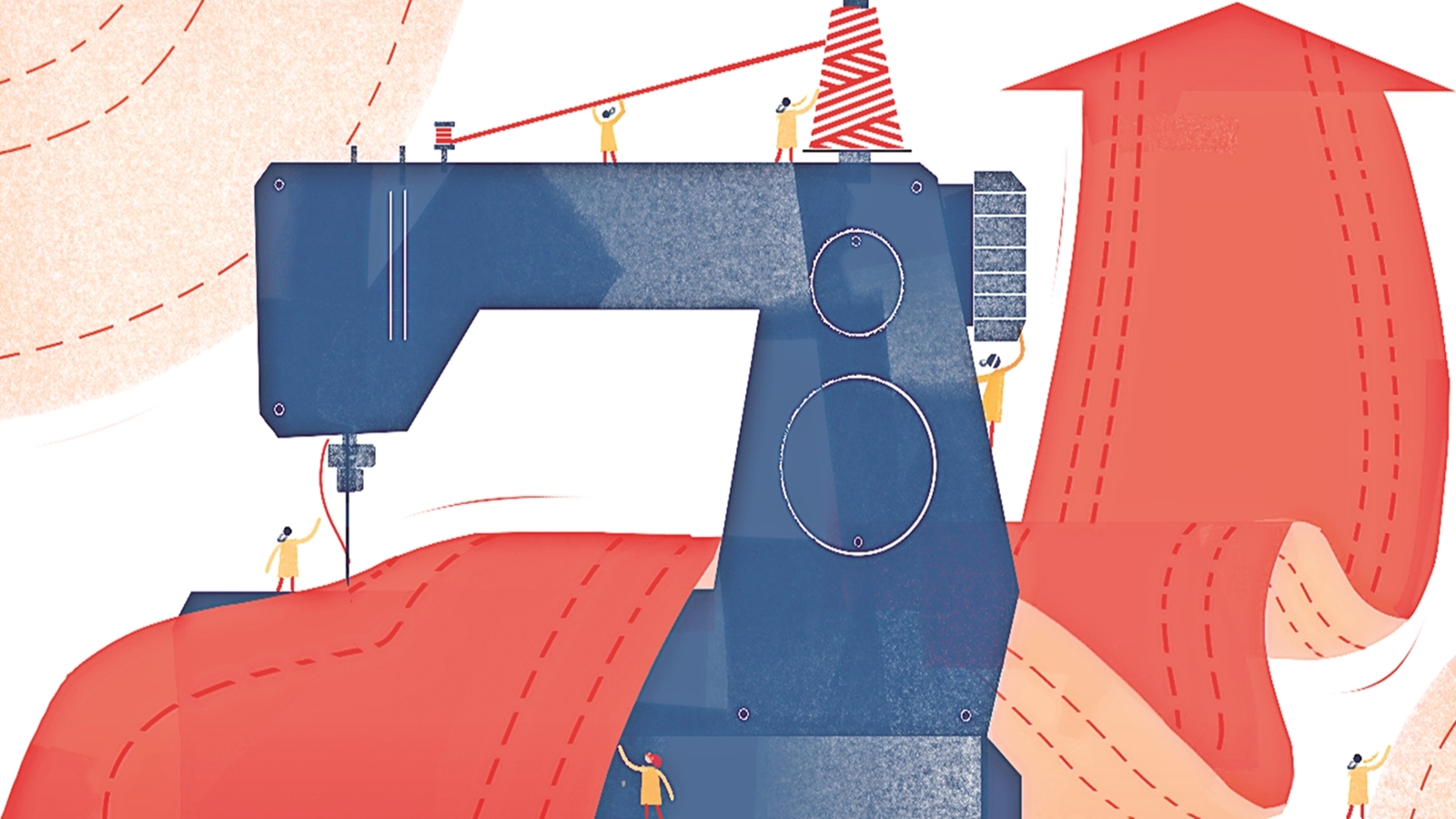
Anganwadis shape the future. They are our responsibility
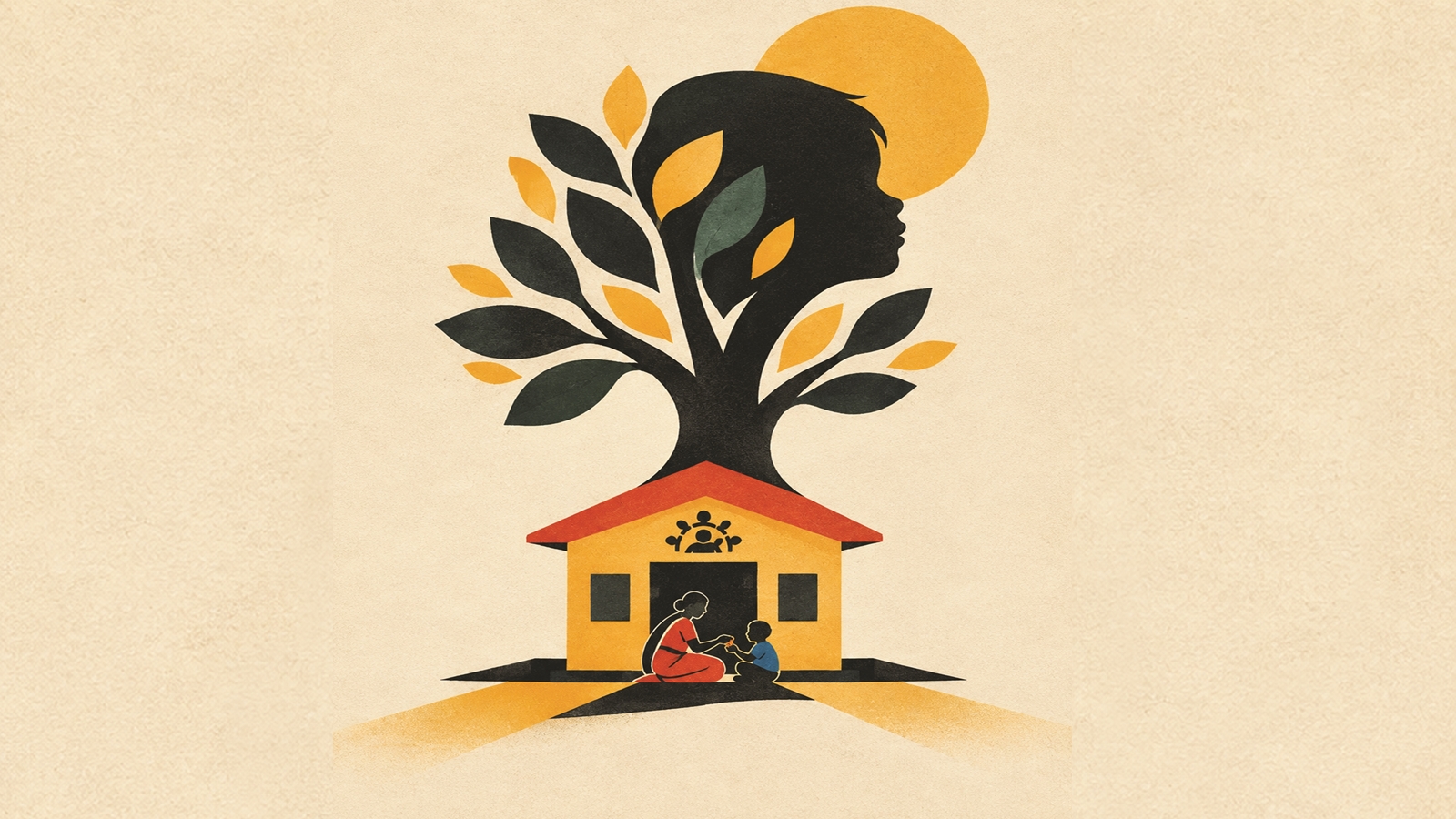
The foundations for a prosperous future are being laid in the present through the anganwadi system in India. These centers, serving millions of children, mothers and adolescent girls, begin nurturing a healthy and capable adulthood long before a child steps foot in a classroom. From weighing and measuring, providing nutritious meals, and sharing rhymes, to offering counseling to expectant parents, anganwadis are the first point of contact between citizens and the state.
With 14 lakh anganwadi centers reaching over 8.9 crore children, women, and adolescent girls, these institutions have become an integral part of Indian communities. The 25.2 lakh anganwadi workers and helpers are locals themselves, deeply connected to the needs and culture of their neighborhoods. Anganwadi has always been a neighborhood institution, and today, it is the government's unwavering commitment to quality services that continues to shape its destiny.
The theme for the ninth Rashtriya Poshan Maah, celebrated from September 9th, is "Hamari Anganwadi, Hamari Jimmedari" - "Our Anganwadi, Our Responsibility." This year, community ownership of anganwadis is being emphasized through anganwadi management committees, social audits, and the activation of menu boards. Mothers are at the heart of this process, as they are made informed partners in ensuring quality through transparency.
Beyond nutrition, early learning is also a crucial aspect of anganwadi services. Children's developmental milestones are tracked, and curricula like Navchetna and Aadharshila prepare them for school readiness. The connection between what a child eats and learns is evident, as anganwadi workers play a vital role in tracking these milestones.
The Economic Survey 2025-26 highlights the importance of a mother's nutrition during pregnancy, as it significantly impacts her child's start in life. The Pradhan Mantri Matru Vandana Yojana, celebrating its 10th anniversary, provides direct transfers to mothers, with Mission Shakti extending benefits to the second girl child. Community ownership of anganwadis cannot simply place the entire responsibility on the anganwadi worker; it requires respect, support, and strengthening of these workers.
This September, the writer calls upon every citizen to visit at least one anganwadi center in their locality, speak to the worker, read the menu board, and ask how they can support the anganwadi. By taking responsibility for these institutions, Bharat takes responsibility for every child's future.
Written by urgent.news from The Indian Express's reporting — not their text. Machine-written — may contain errors; check the original before relying on it.