Analysis: Tighter food import controls squeeze producers
The government’s latest changes to the import regime have expanded the range of food and agricultural products subject to tighter import controls, creating bottlenecks that are raising input costs and constraining supply. At the same time, weaker-than-expected demand from the Free Nutritious Meals (MBG) programme has left producers facing pressure from both sides: higher production costs and…
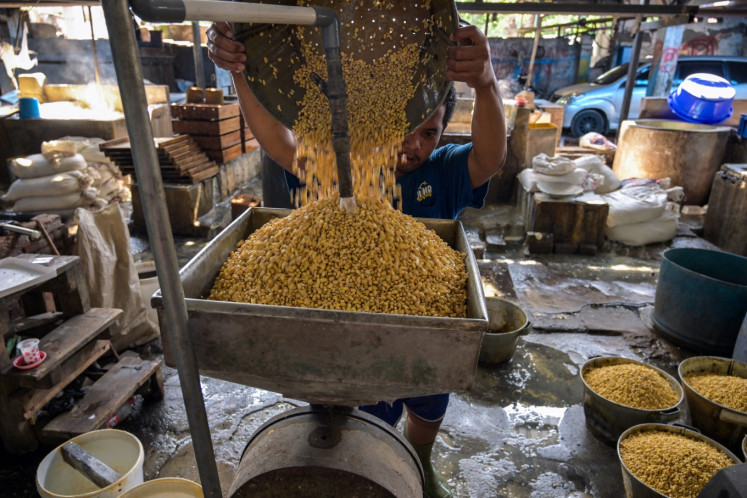
The Indonesian government's recent tightening of food import regulations has created significant challenges for producers, according to recent analysis. These new controls, outlined in Permendag No. 11/2026, expand the list of agricultural products requiring import licensing from seven to 11 categories. This includes soybean meal, feed wheat, broken rice for animal feed, mung beans, and peanuts.
The additional regulatory layers have resulted in bottlenecks and supply constraints, particularly when government assessments and inter-ministerial coordination fail to keep pace with businesses' demand for raw materials. These bottlenecks can ultimately contribute to higher food prices, as evidenced by Indonesia's food inflation reaching 4.22 percent year-on-year in August, surpassing the broader inflation rate of 3.19 percent.
Producers are facing a dual challenge of higher input costs and limited demand for their output. The MBG (Free Nutritious Meals) programme, aimed at increasing poultry production, has not absorbed additional supply as anticipated, leading to a surplus and downward pressure on farm-gate prices. This has left poultry farmers caught between rising feed costs and weaker-than-expected demand, with egg prices falling to as low as Rp19,000–20,000 (US$1.08–1.14) per kilogram in some regions, far below the viable level of Rp26,500.
The poultry sector, already working to strengthen domestic production and develop the local supply chain, is now particularly vulnerable to these regulatory changes. The inclusion of soybean meal and feed wheat in the import control regime, despite their importance as key feed ingredients and limited domestic alternatives, has further exacerbated the situation for producers reliant on these commodities.
Written by urgent.news from The Jakarta Post's reporting — not their text. Machine-written — may contain errors; check the original before relying on it.