ANALYSIS: ANC list fight reveals rise of federal power blocs
The candidate list crisis is exposing an ANC increasingly divided into powerful provincial and regional blocs willing to defy the party centre – while the revolt may also be an early proxy battle over Fikile Mbalula’s presidential ambitions.
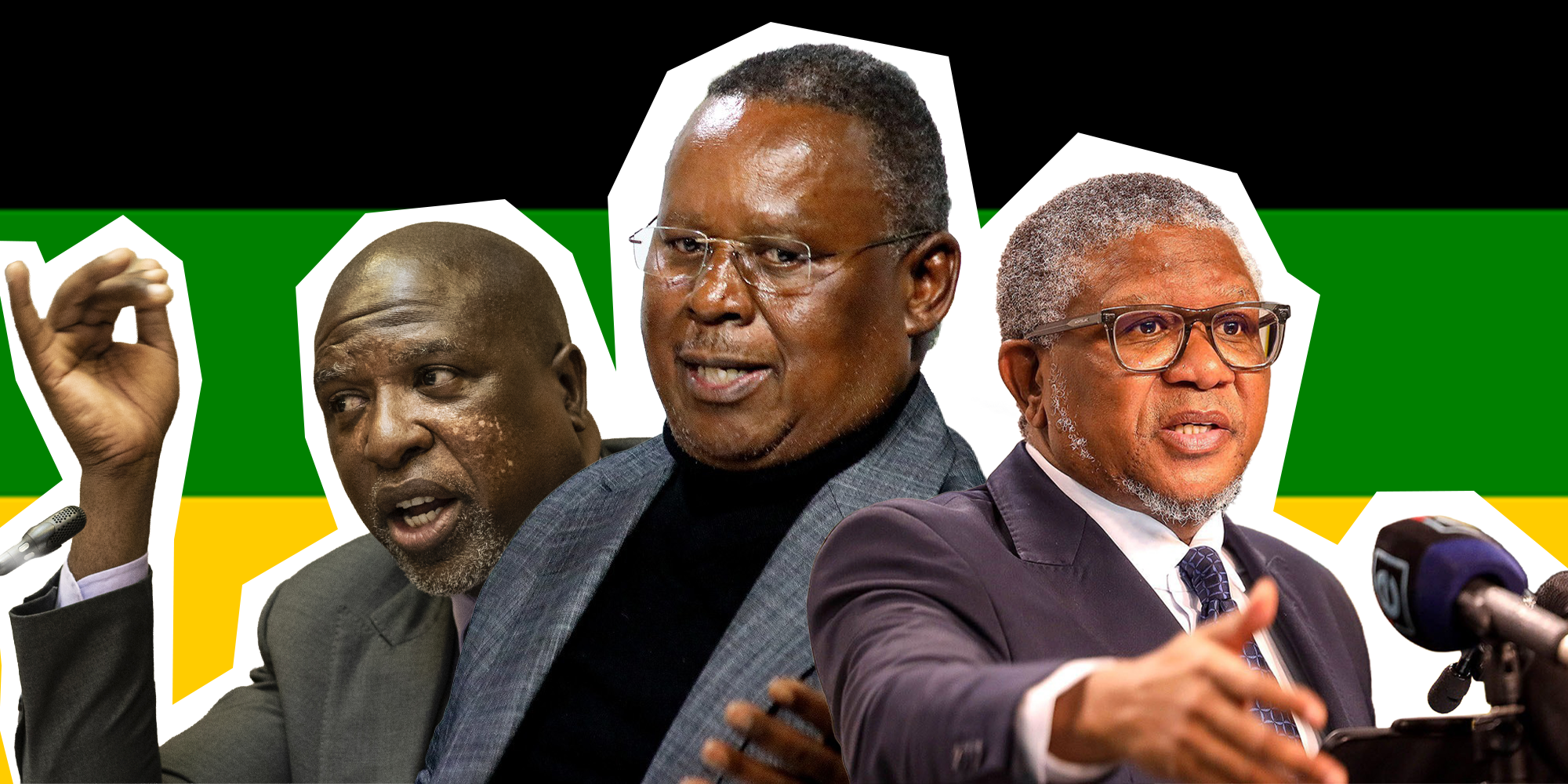
The recent candidate list crisis within the African National Congress (ANC) is exposing the growing divide among powerful provincial and regional blocs, which are willing to challenge the party's national leadership. With an impending loss of up to 1,400 candidates in the upcoming local elections, the ANC's power brokers in various regions have clashed with reform candidates backed by the party's national leaders.
This list fight has resulted in the failure to register 181 councillor candidates, including 130 proportional representatives and 51 ward candidates, representing a minuscule percentage of the total candidate submissions but highlighting the party's decentralization.
The ANC has traditionally operated on the principle of democratic centralism, characterized by a robust national leadership structure complemented by smaller, regional power centers. However, this ideology is now under attack from within. As the party becomes more federalized, with smaller structural power for provinces and regions, the central authority is losing grip.
Members of the ANC are facing potential political and administrative job losses, and the cadre deployment into municipal administration is higher than at the national level. This has led to significant livelihood and rent losses for ANC members, fueling the ongoing conflict.
The dispute over the candidate lists is being taken to the electoral court this week, as the ANC faces an uphill battle. The Internal Revenue Service (IEC) audit trail indicates that the party's sub-national structures did not submit names, were late, or used incorrect ID numbers in 252 cases. Eastern Cape submitted its lists 29 minutes before the deadline, while Gauteng's Joburg region failed to submit the name of the reform candidate, Reverend Frank Chikane.
Similarly, Limpopo's Soviet Lekganyane, a potential Polokwane mayoral candidate, was left off the list.
This growing rift among regional and provincial bosses indicates that they will not readily accept or integrate candidates endorsed by national leaders. The ANC's efforts to open up selection processes to six different entry points, including public nominations, have backfired in local fiefdoms like the Eastern Cape and Gauteng, where the party's decline has become evident. Local leaders are resisting changes, as they fear losing their positions and lucrative patronage deals.
The lists crisis may also signal an early rebellion against Fikile Mbalula's aspirations for the party presidency, as Deputy President Paul Mashatile is ill and unable to campaign. The secretary-general sought to capitalize on the situation, but there are mounting calls for his dismissal due to the flawed candidate list process. This situation could be an early battle for the leadership of the ANC ahead of the 2027 elections, with analysts pointing to the question of who will lead the party.
Written by urgent.news from Daily Maverick's reporting — not their text. Machine-written — may contain errors; check the original before relying on it.