Americans Don’t Understand Who’s Rich
The small-business owners with curiously large fortunes
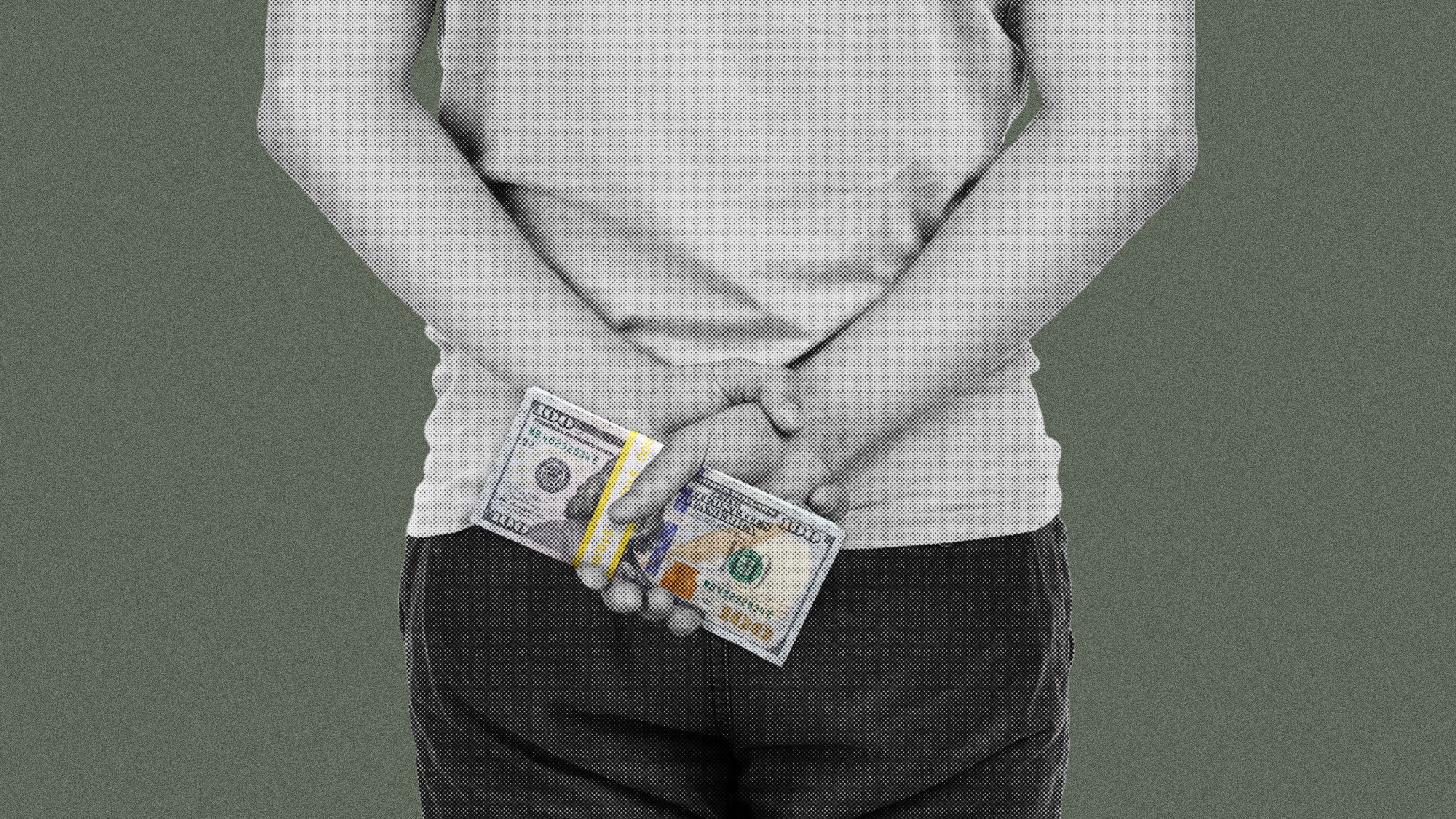
Americans often misunderstand who qualifies as wealthy. Terry Taylor, a Florida-based businessman with a $2 billion net worth, is one such example. Forbes magazine recently listed him as the 1,694th richest person globally, yet few people have seen him in real life.
Unlike tech billionaires like Elon Musk and Mark Zuckerberg, or Wall Street financiers and celebrities, the typical ultra-rich are owners of successful private businesses. Economists studying taxation and inequality estimate that around 1.7 million Americans have a net worth of at least $10 million by owning such businesses. For every CEO of a publicly-traded company, there are over 1,000 private business owners with a net worth exceeding $25 million.
These individuals, often referred to as "everywhere millionaires," are found throughout the United States in diverse industries. They include a repo man from Nevada, a car-wash owner from Milwaukee, a treated lumber magnate from Alabama, and a boat-cover maker from the Ozarks. Their financial activities are typically kept private, adding to their anonymity.
The tax code heavily influences these everywhere millionaires, more so than it does high-profile billionaires like Musk. Recent tax legislation, such as the One Big Beautiful Bill Act, has disproportionately benefited them. For instance, the bill reduced the top tax rate for private-business owners from 37% to 30% and preserved a deduction that lowers their top tax rate further. Additionally, it allowed business owners to deduct their state and local taxes fully, a benefit not extended to salaried employees.
While some top-bracket taxpayers do own businesses, the advantages of these tax provisions primarily favor the wealthiest among them. Loopholes that exempt private-business owners from certain taxes, like Medicare, have been justified as a benefit for the "little guy," even though they primarily serve the very rich. The IRS collects extensive data on businesses and their owners, but it is scattered across various systems, making it challenging to use this information to assess the impact of tax changes and other policies.
Written by urgent.news from The Atlantic's reporting — not their text. Machine-written — may contain errors; check the original before relying on it.