AI could make thinking cheap. What happens to jobs, education and human purpose?
Dr. Pratosh, an IISc faculty member, warns that AI is not just coming for jobs—it could force a rethink of education, economics and what humans do for a living.
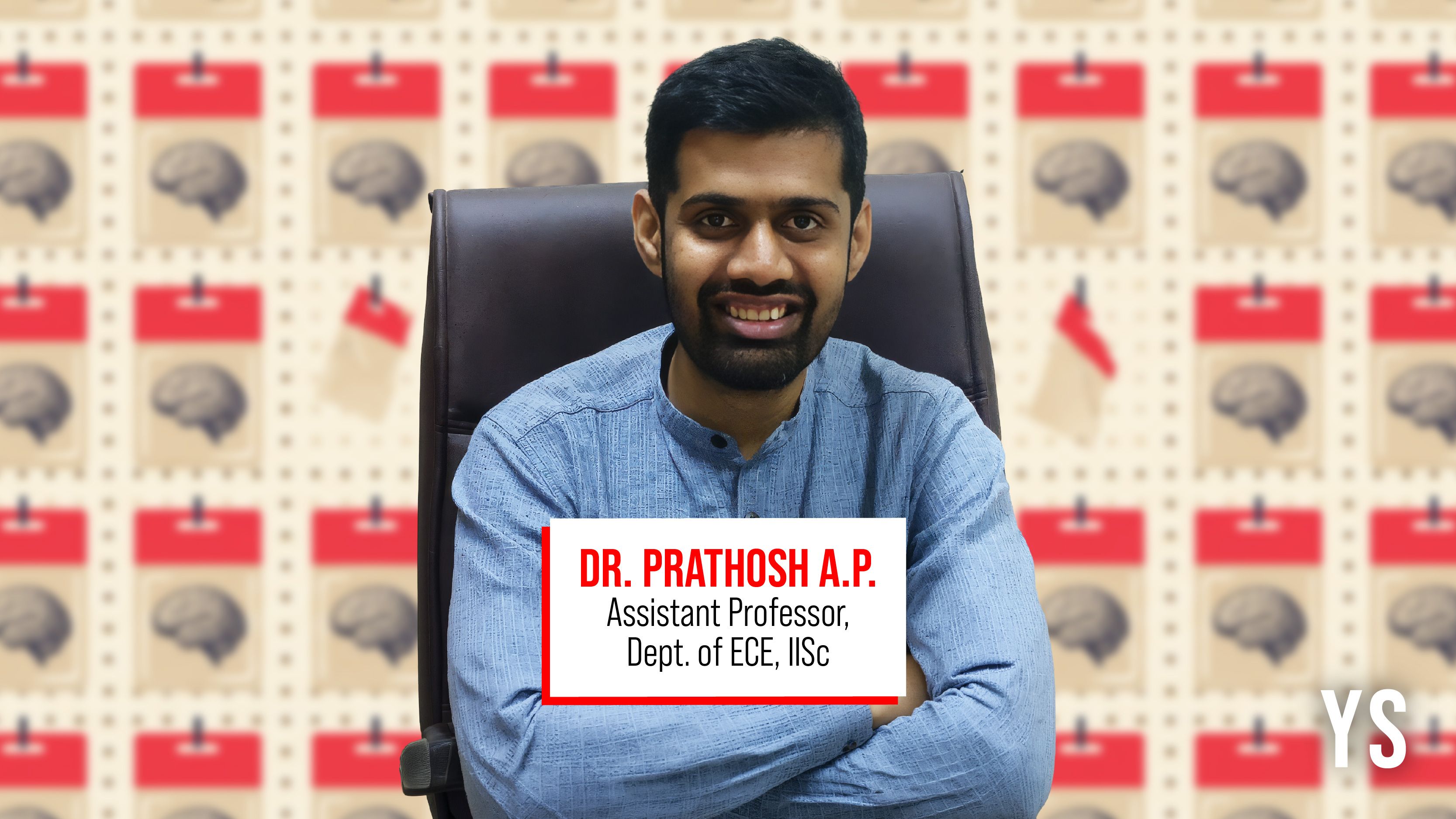
Artificial intelligence is no longer merely beating us at games or drafting correspondence. It is raising a pressing question: what transpires to human purpose when raw intellect becomes a commodity available to all? During a recent lecture, Dr. Pratosh, an Assistant Professor at the Indian Institute of Science (IISc), Bengaluru, in the Department of Electrical Communication Engineering, made no bones about his stance.
He characterized our present era as a "civilisational crisis." "If intelligence is commodified, if thinking is commodified, then what is the meaning of our existence?" he questioned.
This concern is not merely theoretical for Dr. Pratosh. He has already ceased to employ research assistants for specific duties. Why impose human limitations on a project when AI agents can simultaneously handle dozens of intricate problems? The looming fear extends beyond job displacement to the question of who will reap the profits.
While proponents of digital technologies envision a future of AI-fueled abundance, empirical evidence suggests otherwise. Enhanced productivity doesn't invariably translate into equitable wealth distribution. In a capitalist framework, the benefits tend to accrue to those who own the hardware, software, and algorithms.
Dr. Pratosh cautioned that without institutional reforms, India, with its vast labor force employed in knowledge-based roles, could face severe economic repercussions in the coming years. How will a country with little alternative employment avenues support its citizens if the economy shifts towards AI-driven sectors? He posed a provocative question: why invest in traditional degrees when AI can perform almost every academic task?
Dr. Pratosh recounted a personal anecdote: his own daughter regards ChatGPT as one of the finest teachers she has encountered. It exhibits unwavering patience, never displays frustration, and elucidates concepts from multiple perspectives without judgment. If an AI can deliver a more personalized educational experience than a conventional classroom setting, universities must adapt their offerings.
They will need to focus on imparting skills that AI cannot replicate, such as fostering a sense of community, encouraging collaborative learning, and nurturing human connections.
Dr. Pratosh advised educators and students to transcend mechanical skills and concentrate on cultivating problem-solving abilities relevant to real-world scientific and societal challenges. The impending challenge is not constructing a more sophisticated model. It is determining the role of humans once thinking is no longer exclusively human.
Written by urgent.news from YourStory's reporting — not their text. Machine-written — may contain errors; check the original before relying on it.