A new solar cell could generate electricity underwater
The trick isn't using perovskites—the trick is making them last.
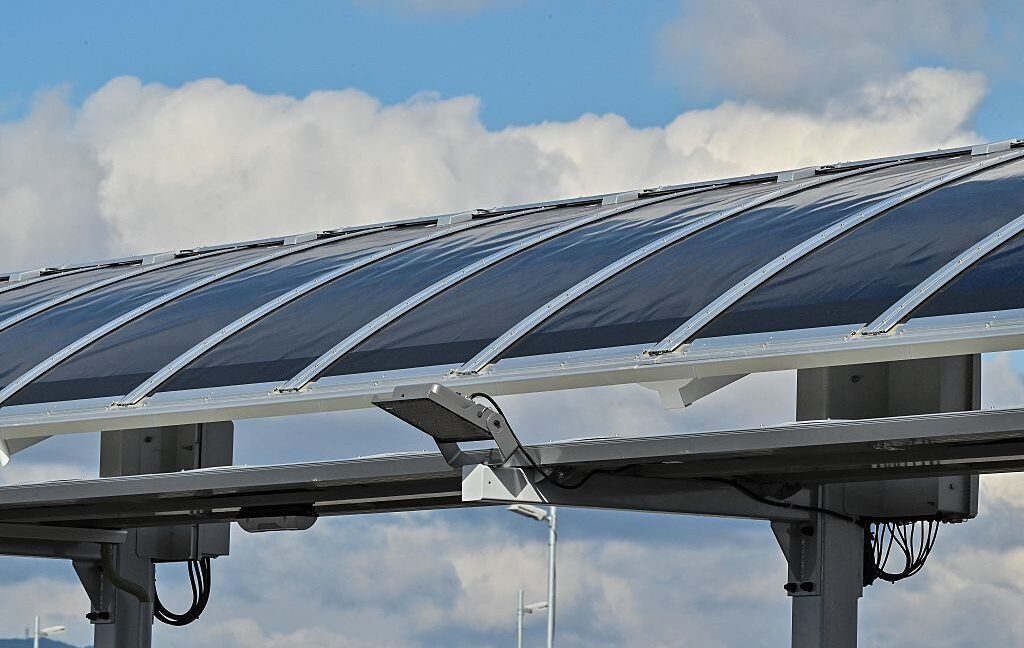
In an interesting twist on solar energy technology, a team of scientists at Yunnan University has developed perovskite solar cells capable of generating electricity underwater. This breakthrough is reminiscent of the Hanna-Barbera cartoon character Birdman, who battled the villain Dr. Shark aboard a submarine without a reliable power source.
Perovskite solar cells offer several advantages over traditional silicon-based cells. They can be produced at lower costs, possess unique forms such as thin, flexible, and transparent films, and can convert a higher percentage of incoming solar energy into electricity. However, this versatility comes with a significant drawback - perovskite cells tend to degrade rapidly, especially when exposed to moisture.
The deep sea environment poses a particular challenge for perovskite solar cells. Moisture is particularly destructive to these materials, making them an unlikely choice for underwater applications. However, perovskite cells possess an extraordinary feature that could turn the tide in their favor: they can be tuned to work with different wavelengths of light. While water quickly blocks the wavelengths of light that silicon solar panels absorb, a perovskite cell could still generate electricity in the deep blue sea.
Interestingly, the lower light levels and cooler temperatures found in underwater environments may actually prove beneficial for the longevity of perovskite solar cells. The team at Yunnan University has demonstrated that these unique properties of perovskite cells could make them a viable option for powering underwater devices and infrastructure.
Written by urgent.news from Ars Technica Science's reporting — not their text. Machine-written — may contain errors; check the original before relying on it.
Also reported by 1 other outlet
- A new solar cell could generate electricity underwater arstechnica.com