A Nation of Strange, Idle Men
Jon Ronson’s The Castle argues that men are giving up on society because they have nothing better to do.
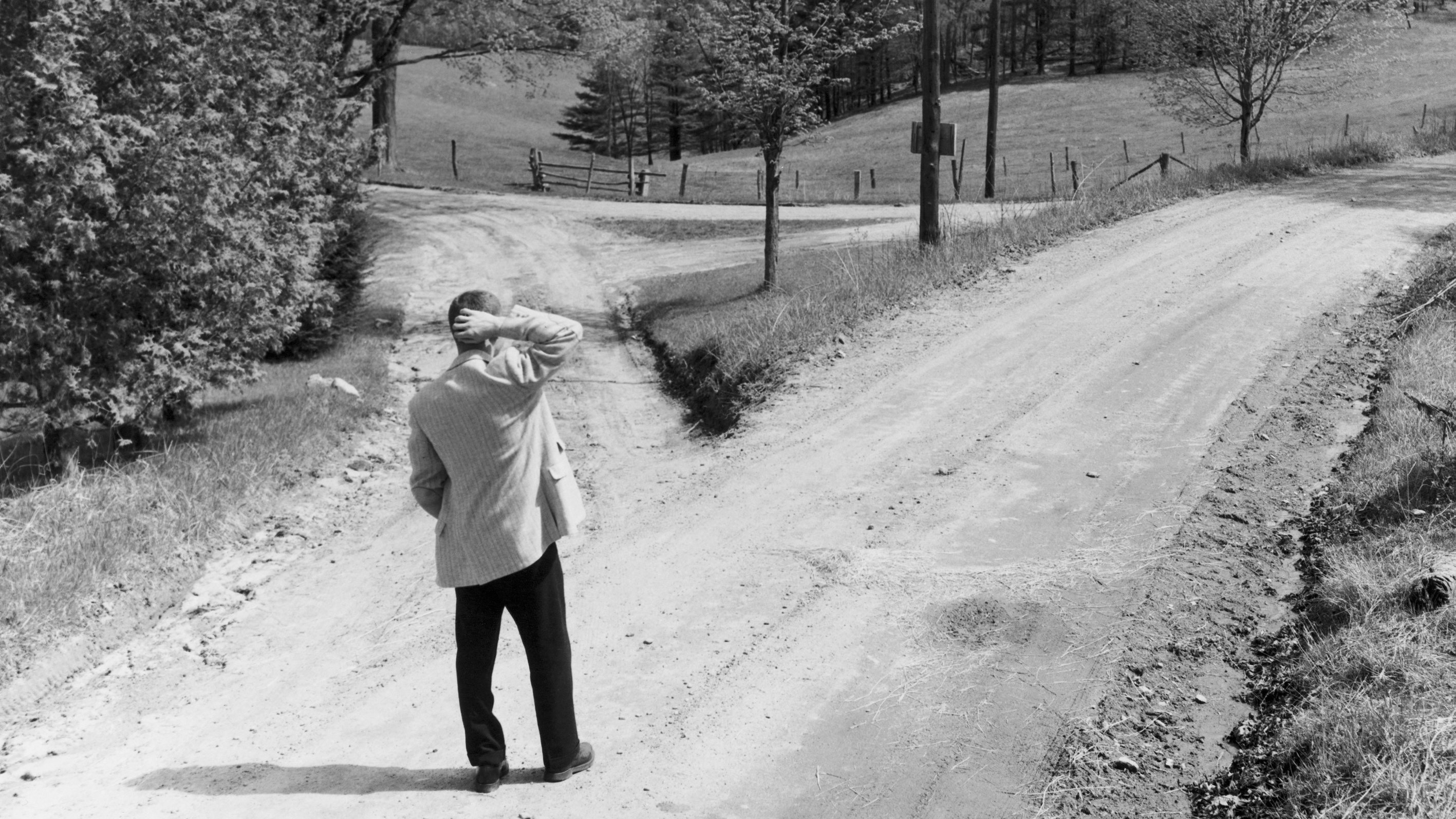
In Jon Ronson's new book, The Castle, the journalist delves into the lives of wayward men who have become detached from traditional society. Ronson, known for his 2015 book So You’ve Been Publicly Shamed, examines the motivations behind the behavior of these men, who feel abandoned and misunderstood. The Castle presents the stories of men facing various challenges—unable to achieve success in their chosen field, unable to pay their bills, or being overwhelmed by the decay of their surroundings.
These men, driven by free time and the internet, seek to satisfy their own desires, often leading to further alienation.
The book opens with Ronson's personal experience involving a strange encounter at a castle in Woodstock, Connecticut, where he and his friends were invited to a bizarre dating show. The women were asked to participate, and the men were eventually evicted. This experience piqued Ronson's curiosity, leading him to meet the show's host, Chris Mark.
Mark, who lives with several women he met online, appears transparent about his activities initially. However, he quickly becomes antagonistic, demanding an NDA, sending menacing texts, and bringing goons to threaten Ronson. Ronson concludes that Mark's private fantasy of manhood has put the journalist's investigation at risk.
The Castle explores the broader phenomenon of men who are unemployed, aged 25 to 54, and have "opted out of society," living a life of "male nothingness." Ronson is more interested in understanding and empathizing with these men than in making prescriptive judgments. He focuses on the growing sense of social anomie and the millions of men who are searching for meaning in the wreckage of their former aspirations.
Ronson highlights a demographic with a declining life expectancy, primarily middle-aged white men without college degrees, who have experienced a "death of despair" due to the erosion of the American dream. These men often share a sense of "cowed, vaguely shocked hopelessness," and some have retreated into separatist communities, creating self-contained worlds where they can live according to their own terms.
The book also touches upon the struggles of women facing similar despair—but it is the men, raised to view themselves as heroes, who are more susceptible to taking dark paths.
Written by urgent.news from The Atlantic's reporting — not their text. Machine-written — may contain errors; check the original before relying on it.