Why Is India Popping Vitamin D Pills Instead Of Soaking Up The Sun?
India has no shortage of sunlight. Yet, in consults, reports, and conversations around health, I repeatedly see one pattern: low Vitamin D levels, weak bones, fatigue, muscle aches, poor immunity, low mood, and people reaching first for a pill instead of asking why the deficiency exists in the first place. Vitamin D supplements have a place. If you are deficient, if your doctor prescribes them,…
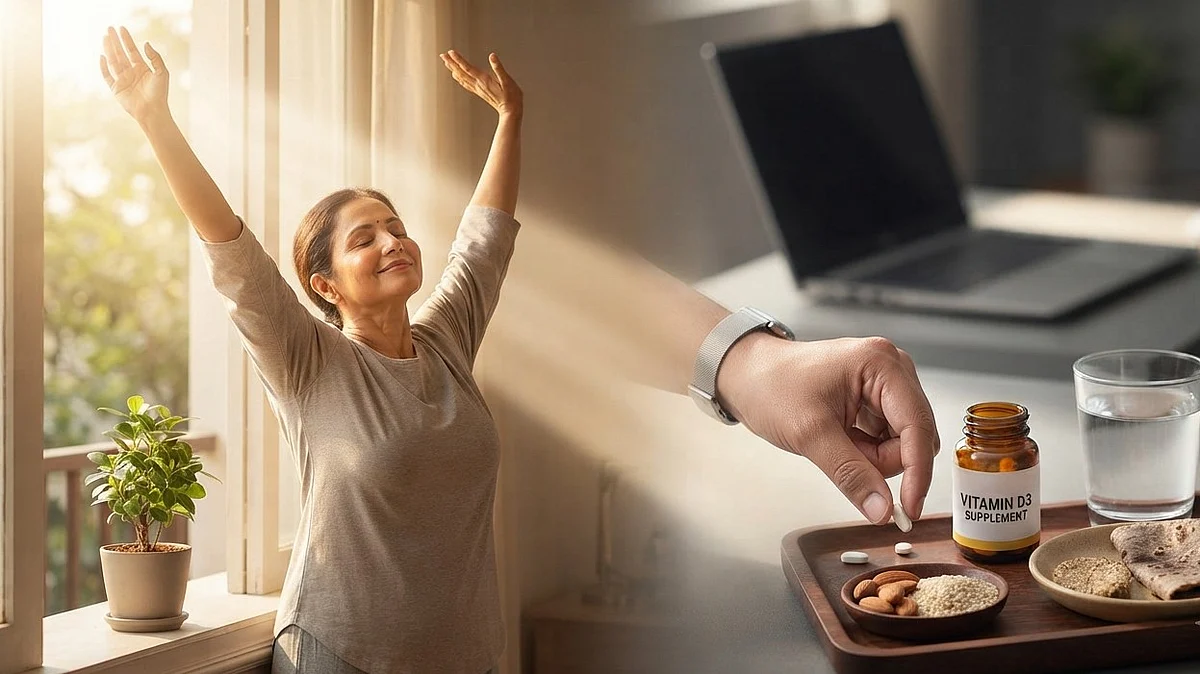
India boasts abundant sunlight, yet a concerning trend emerges: low Vitamin D levels, weak bones, fatigue, muscle aches, poor immunity, and an overreliance on supplements instead of addressing the underlying causes. While Vitamin D supplements have their place, India's growing dependence on these pills warrants a deeper look into the disconnect between the human body and the sun.
The issue lies not in choosing between supplements and sunlight, but in understanding why the body has become so disconnected from something as fundamental as the sun. Many Indians spend the majority of their day indoors, with limited outdoor play for children and decreased sun exposure for adults due to various factors like heat, tanning, pollution, work schedules, or fear of skin damage. This indoor lifestyle significantly reduces opportunities for natural Vitamin D production.
Although Vitamin D is synthesized in the skin upon exposure to UVB rays from sunlight, several factors influence the body's ability to produce it, including timing, season, pollution, clothing, skin pigmentation, sunscreen usage, age, body composition, and overall health. A 2024 study on 982 adults from South India revealed that 58% were deficient in Vitamin D, 23% were insufficient, and only 19% had normal levels. This deficiency can exist even in a sun-rich country.
Despite the emphasis on calcium, bone health requires a multifaceted approach. Vitamin D aids calcium absorption, but the body also needs magnesium, protein, movement, strength training, gut health, hormonal balance, and proper nutrition. Bones thrive when subjected to physical activity and stress, not when they are sedentary and nutritionally deprived. Strong bones demand more than just calcium and Vitamin D3; they require a holistic foundation.
Immunity is another compelling reason to prioritize sunlight and lifestyle factors. Supplements are valuable tools but should not replace a healthy lifestyle. Self-prescribing high-dose Vitamin D or calcium without testing is unwise, as excessive supplementation can lead to adverse effects, particularly when disregarding blood levels, kidney function, medical history, and nutrient interactions.
The solution lies in a lifestyle-first approach. Regular, safe sun exposure, preferably when the sun is gentle and does not cause burning, is crucial. Outdoor movement, such as walking or strength training, should be incorporated into daily routines. Consuming protein-rich, mineral-rich foods, including natural calcium sources like dairy, sesame, ragi, leafy greens, nuts, seeds, legumes, and small fish with bones (for those who consume them), supports nutrient absorption.
Building a foundation of good sleep, stress management, deep breathing, and time spent in nature complements these measures. These practices, though seemingly simple, are powerful because they align with the body's innate design. India should not be caught between modern medicine and traditional practices. Instead, it should embrace both intelligently, using supplements when medically necessary while not overlooking the basics: sunlight, movement, food, sleep, gut health, and a harmonious lifestyle rhythm.
Vitamin D deficiency is not merely a lab value; it often signals that foundational aspects need attention.
Written by urgent.news from Free Press Journal's reporting — not their text. Machine-written — may contain errors; check the original before relying on it.