Why empathy is a crucial leadership skill
With AI we are entering a new era in which technology can tabulate information, recognize patterns, answer questions, and write reports at a phenomenal speed, and do tasks that would require a massive amount of human time and effort. This has huge implications for our future and what kind of skills are still important for humans to acquire. Being the smartest person in the room has little value…
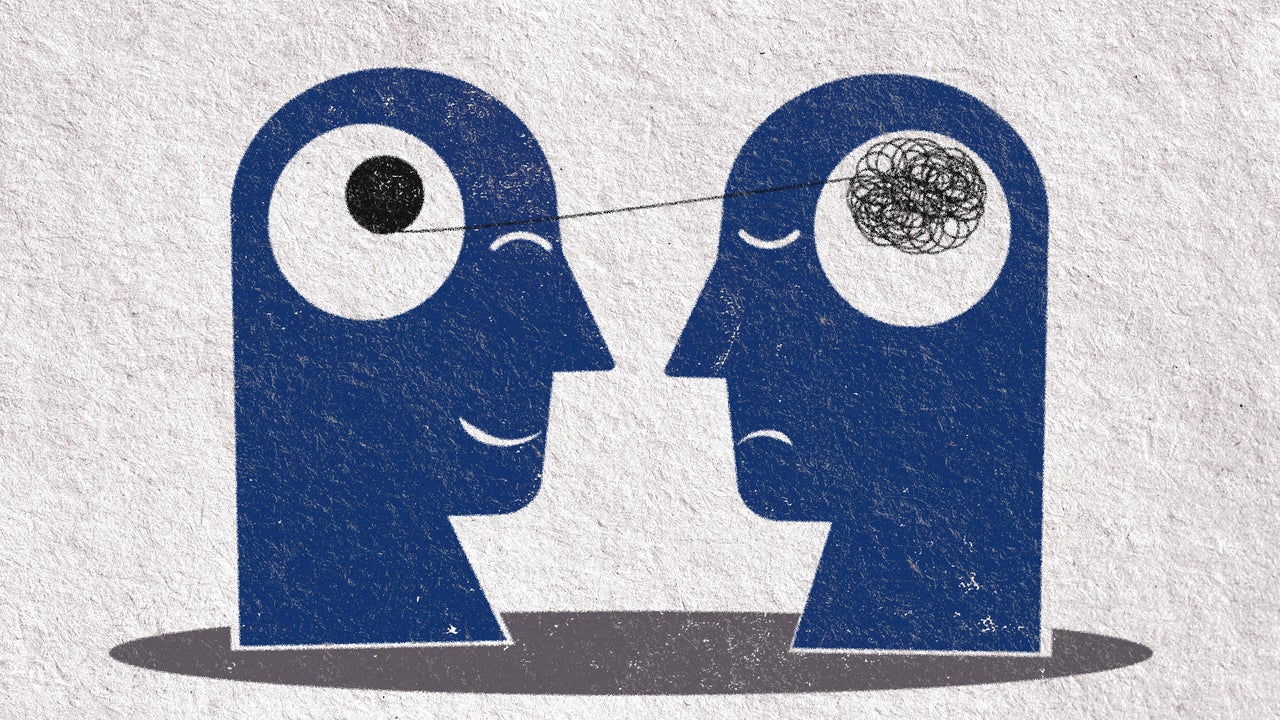
The rapid advancement of artificial intelligence has transformed the way we work, allowing technology to perform tasks that once required extensive human time and effort. In this new era, certain skills that are uniquely human become vital for leadership. Doug Noll, an author and former lawyer turned peacemaker, emphasizes that empathy is one such skill.
He defines empathy as the ability to observe and name another person's emotional experience from their perspective. Noll and his colleague, Laurel Kaufer, have trained thousands of incarcerated individuals in California to de-escalate conflicts and regulate their nervous systems through empathy.
Empathy offers four significant benefits in the workplace that cannot be replaced by AI. First, it fosters appreciation. Employees are more likely to leave an organization not because of salary or workload issues, but because they feel unrecognized and unappreciated. A 20-year employee discovered that an AI-generated email, meant to recognize her years of service, fell short of her expectations. Genuine appreciation requires a personal touch, something AI cannot replicate.
Second, empathy helps build strong relationships. While AI can provide vast amounts of information, it lacks the understanding of nuances, historical context, and human emotions necessary to build meaningful relationships. These connections are vital for finding purpose and meaning in one's work and can have a lasting impact even as technology evolves.
Third, empathy is crucial for building trust in the workplace. Trust allows employees to feel safe voicing their opinions, taking risks, and knowing their leaders will support them. Trust takes time to develop and can be easily broken, but it forms through shared experiences and the belief that others will not harm us with our disclosures. Leaders who empathize with their team members can create an environment where trust can flourish.
Lastly, empathy enables leaders to understand themselves and others better. It provides tools to recognize and respond to others' emotions, fostering a safe environment where people feel understood and respected. By developing empathy, leaders can unlock the full potential of their teams and create a work environment that employees remember long after they leave. Ultimately, it is the relationships and memories built through empathy that will remain in people's minds, long after AI technologies have become obsolete.
Written by urgent.news from Fast Company's reporting — not their text. Machine-written — may contain errors; check the original before relying on it.