What happens after govt handouts? Singapore NTU researchers use AI to find out
SINGAPORE, Sept 13 — Researchers in Singapore are developing an artificial intelligence tool that could help polic...
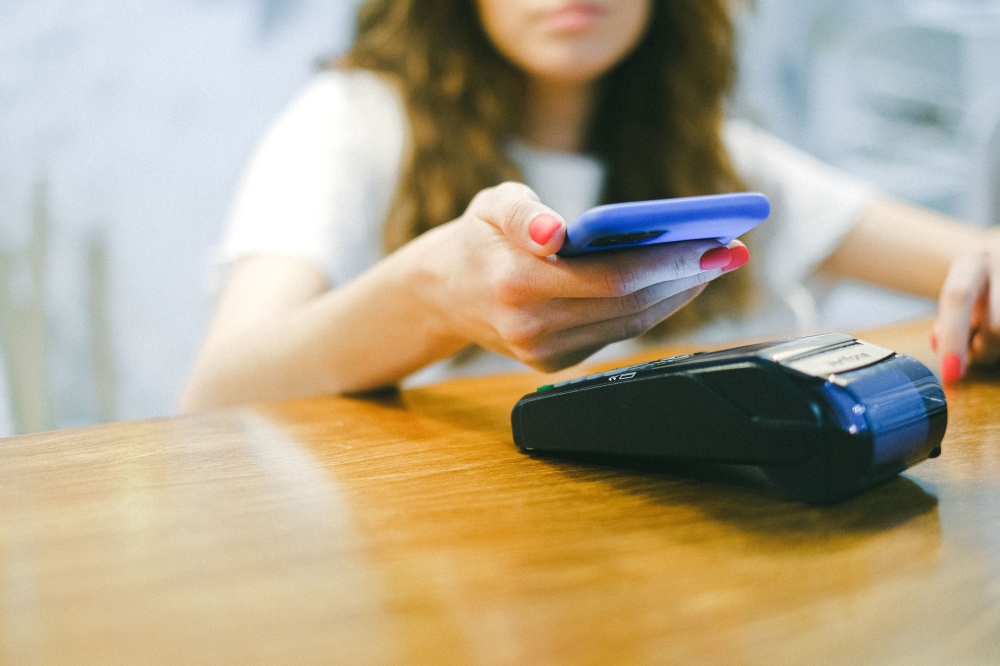
Singaporean researchers at Nanyang Technological University (NTU) are creating an AI tool that could help policymakers predict how citizens may react to economic measures, like cash handouts, before implementing them. This AI system aims to estimate whether recipients will spend or save the extra funds, what they might buy, and how different policy designs could impact the outcome.
The project, led by NTU's Hyeokkoo Eric Kwon, is one of 14 global initiatives chosen by OpenAI from over 400 submissions, with the NTU team receiving US$100,000 to develop and test the unnamed tool over six months. The AI, which processes anonymized transaction data from over a million users of a South Korean mobile budgeting app, simulates how households might react to proposed government policies.
For instance, if the government were to provide every citizen with S$100 in cash vouchers, the AI could predict the increased spending, spending locations, and how outcomes might vary under alternative policy designs. Conventional economic simulations often rely on rules from surveys, but Kwon notes there is often a gap between survey responses and actual behavior.
To address this, the researchers plan to test the AI against real-world spending data from South Korea, including transactions before and after two cash handouts in July and September 2025. Additionally, the system will incorporate data on interests and political views to enhance its predictions and explain its conclusions.
Written by urgent.news from Malay Mail's reporting — not their text. Machine-written — may contain errors; check the original before relying on it.