What 9/11 did to us
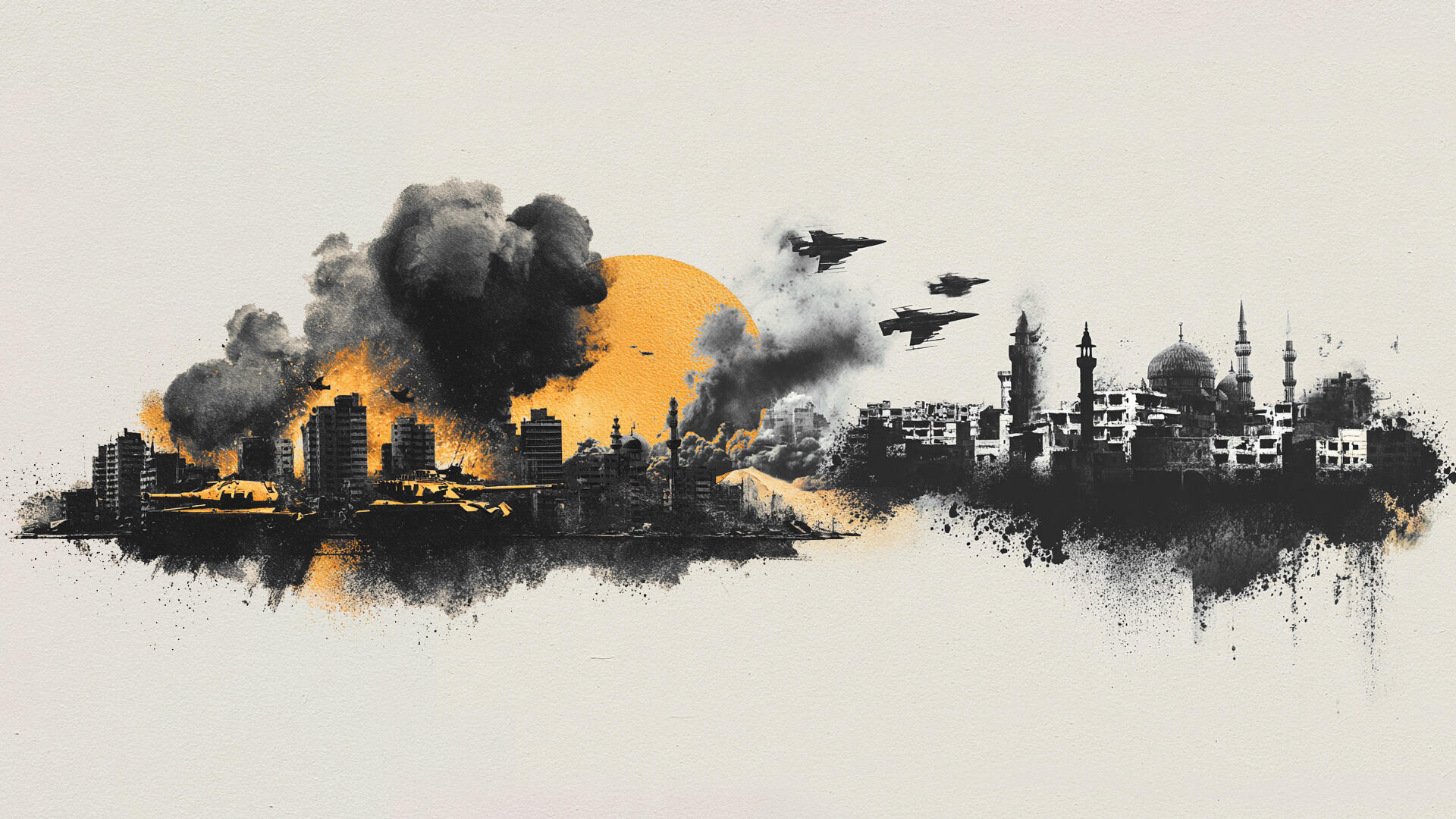
Among other things, the 9/11 attacks injected a highly concentrated dose of xenophobia into US politics.
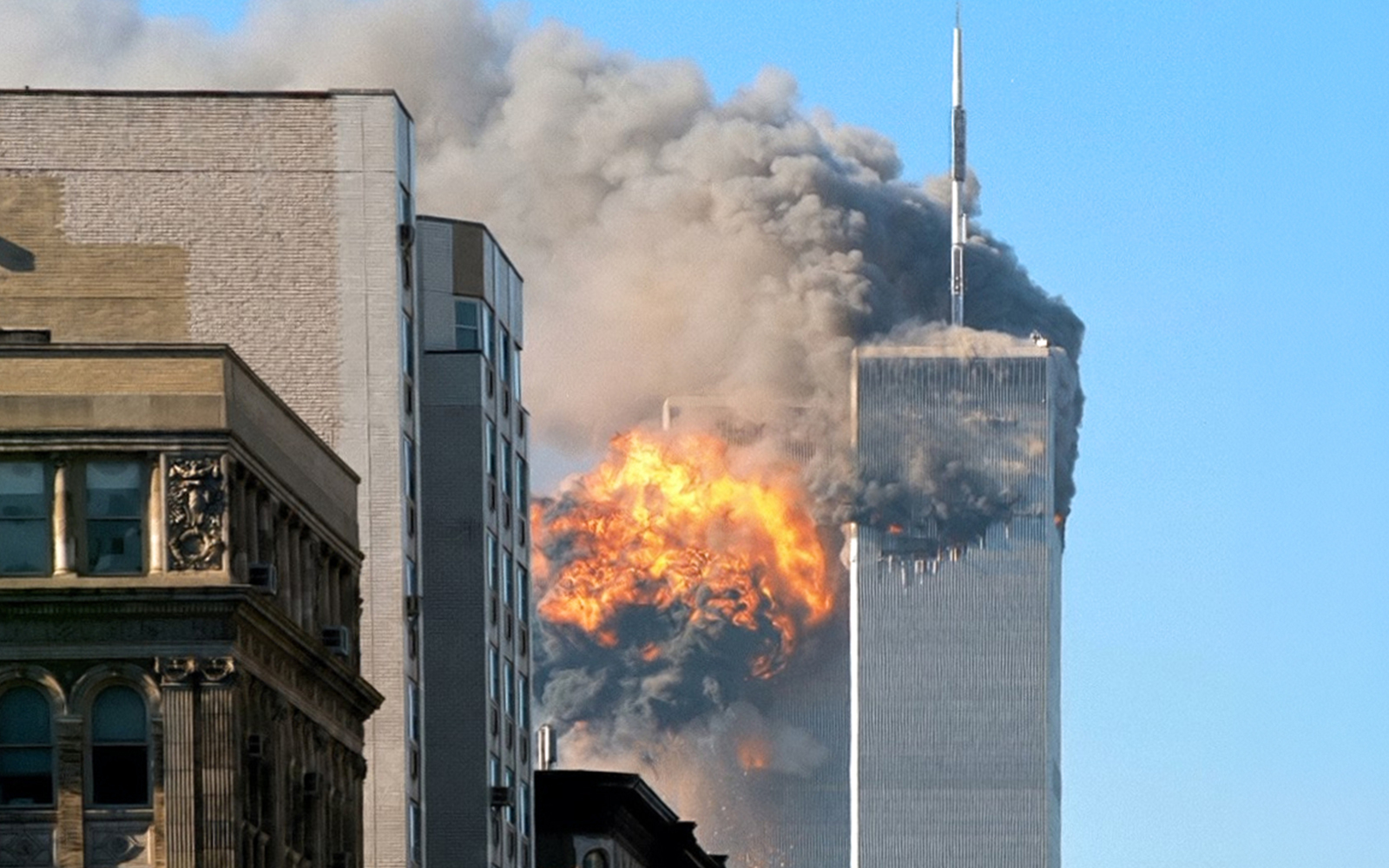
On Tuesday, September 11, 2001, a clear blue sky overhead in Cambridge, Massachusetts, belied the tragedy that was unfolding. My husband called to report a plane had struck one of the Twin Towers; our initial thought was that it was an accident. As the news spread, we tuned into CNN, witnessing the horror as the first tower collapsed, then the second.
Amid the calls to our family, my brother who worked in New York was among those we urgently informed about the attacks. Our sons, aged four and two, were at daycare across the river, and we rushed to pick them up. The following weekend, a 12-hour drive to Virginia was planned for my father's 75th birthday, but the air was heavy with tension.
As we drove down the New Jersey Turnpike in the dark, the smoking ruins of the towers, bathed in searchlights, were a haunting sight that we knew would linger in our children's memories. Quarter-century later, memories of that day still evoke strong emotions; the shock and disbelief were palpable. The attack left many questions unanswered: who could have carried out such a heinous act and, more importantly, why?
These inquiries forever altered the country's identity and its standing in the world. My own upbringing in the 1970s had been marked by awareness of inhumane acts, from the Holocaust to the Cambodian killing fields. Images of torture, mutilation, and rape were present in media, but the atrocities still seemed separate from our own nation.
The election of Jimmy Carter in 1976, who promised to embed human rights in US foreign policy, was a beacon of hope. America had always believed in the rule of law and decency, even when faced with aggression. However, by 2003-04, the country had intervened in Iraq and Afghanistan, detaining suspected terrorists without trial at Guantanamo Bay and other undisclosed locations, breaching Geneva Conventions.
This shift led to debates about the necessity of employing torture techniques. Initially incredulous, I vehemently opposed the notion, clinging to the belief that this was not who we were. The accepted moral standard of our nation was deemed naive amidst the endless speculation about what to do if a detained terrorist possessed vital information about an impending attack.
A quarter-century on, many things once deemed unthinkable have become the norm. From smearing the media as the "enemy of the people" to weaponizing government agencies against political adversaries, the erosion of checks and balances has become commonplace. Regardless of party affiliation, there is a shared willingness to justify violations of law and norms.
The 9/11 attacks have also sown a deep vein of xenophobia in American politics. In recent years, the focus has been on Muslims, with the former president's ill-fated attempt to ban Muslim entry into the country evolving into a broader campaign to portray anyone who doesn't fit the 1950s white American stereotype as a threat. Demagogues have long exploited fear of "the other" to ignite hostility, but today, it has become a defining trait of domestic politics.
Each side argues that a victory for the enemy—whether depicted as ethno-nationalists or socialists—will bring about the destruction of democracy. The aftermath of 9/11 has deepened the sense among many Americans that the world owes us for the sacrifices made in pursuit of peace and prosperity. This sense of grievance is now embodied in the "America First" agenda, a departure from the consensus that guided foreign policy post-World War II.
The current administration's callous pursuit of policies has necessitated a reevaluation of international relationships.
Written by urgent.news from Free Malaysia Today's reporting — not their text. Machine-written — may contain errors; check the original before relying on it.
Also reported by 1 other outlet
- What 9/11 did to us freemalaysiatoday.com