Week 5 of Building Pocketflow for Shipaton 2026: Paywalls, Timeline Audits, and Launch!
Pocketflow’s final Shipaton week covered UI polish, RevenueCat paywalls, AI credit pricing, balance syncing, and its iOS and Android launch.
The fifth and final week of developing Pocketflow for the Shipaton 2026 project concluded with a successful public release. Throughout the week, the team focused on refining the user interface, implementing activity auditing, and launching native monetization features on both iOS and Android platforms.
The onboarding process was heavily revamped, featuring a redesigned login screen that made actions feel more intuitive and organized. The buttons were aligned to the bottom of the screen using Jetpack Compose's Arrangement.SpaceBetween property. The Google Sign-In button was repositioned and branded for a more cohesive look.
To cater to user customization needs, a five-color pastel theme selector was introduced for designing workflows. The value list of crayon-inspired colors was defined as follows: white (#FFFFFF), light pink (#FFE5EC), light yellow (#FFF2CC), light peach (#E2F0D9), and light blue (#E8F0FE).
A vertical line activity log was developed to provide transparency in credit usage and user activity. This feature replaced traditional card lists and utilized Compose's IntrinsicSize.Min to dynamically calculate line height based on adjacent text column heights. The line of vertical circles represented each action taken, ensuring a seamless visual representation of user interaction.
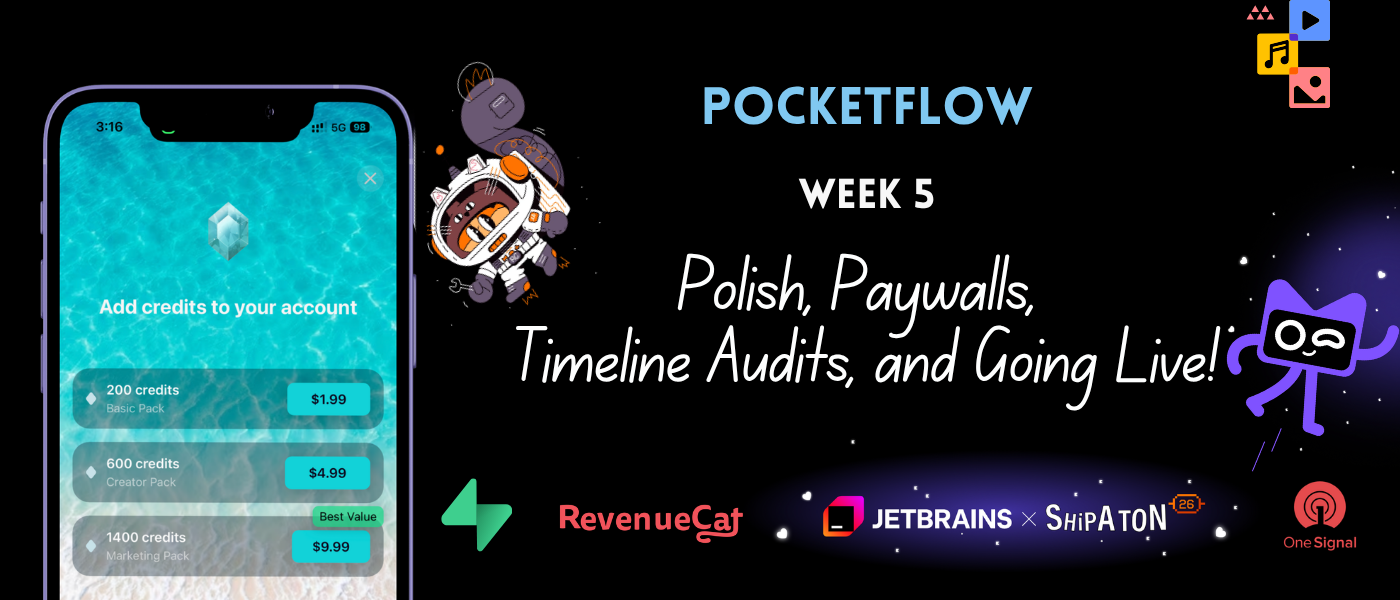
Given the increasing costs associated with running AI models, a dual monetization strategy was devised. Users could choose between weekly or yearly subscription options, alongside consumable Virtual Credits. RevenueCat's library was integrated into present the paywalls seamlessly, enhancing the user's experience while ensuring fair compensation for the use of AI resources.
To address potential delays in updating in-app virtual currency after a purchase, the team implemented a rapid polling system. After a user completes a credit package purchase, the app invalidates the local currencies cache and initiates a loop that polls RevenueCat every 500 milliseconds for up to 10 iterations. This ensures that updates to the user's credit balance are immediate and accurate, eliminating previous delays of 1.2 to 4 seconds.
With these enhancements, Pocketflow is now officially live on both the iOS App Store and Android Google Play Store. This accomplishment marks a significant milestone for the team, showcasing the successful transformation of an abstract design concept into a production-ready, cross-platform app within just five weeks. The final post will provide an overview of the project's journey, highlighting all the work and challenges faced along the way.
Written by urgent.news from HackerNoon's reporting — not their text. Machine-written — may contain errors; check the original before relying on it.