The iPhone 18 Pro has a variable aperture camera lens - why don't all phones?
Spoiler alert: because it's not necessary!
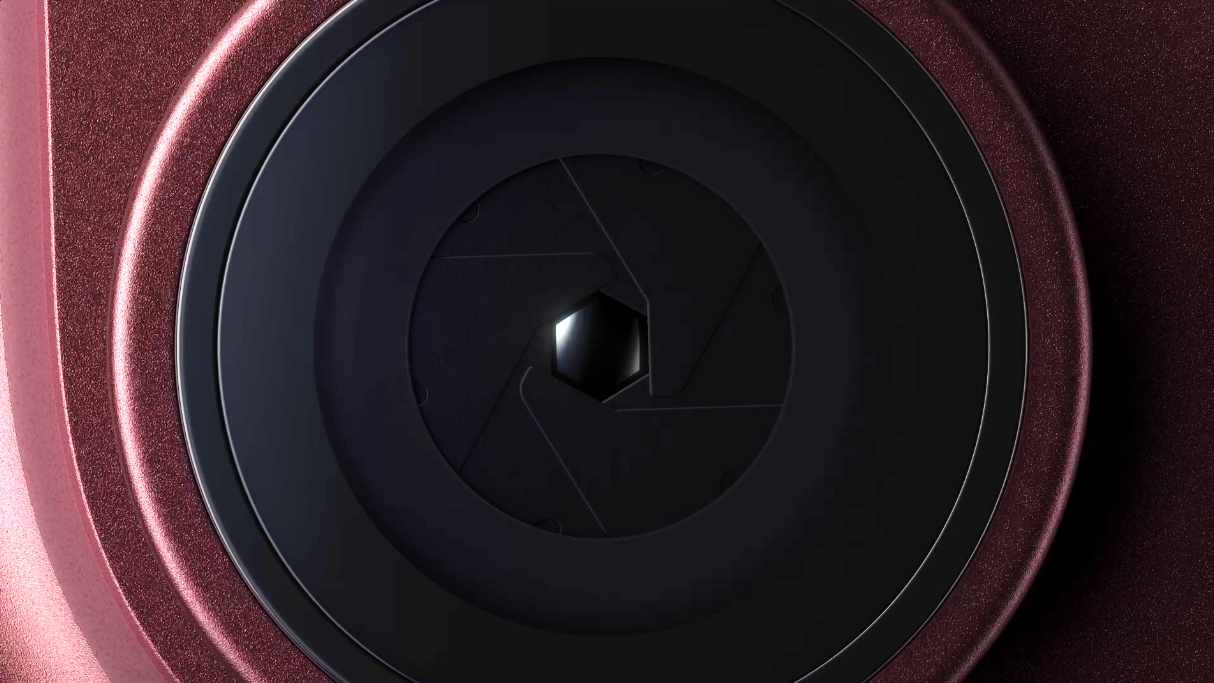
Apple's latest iPhone 18 Pro boasts a groundbreaking variable aperture camera lens, a feature that has yet to be widely adopted in other high-end phones. This advanced camera technology allows for automatic selection of aperture settings or manual adjustment through four options in the Camera app. The aperture diaphragm, comprising six laser-cut blades, smoothly transitions between f/4 and f/1.48.
While this innovation sounds impressive, it prompts two key questions: Why haven't more phones adopted this technology, and what took Apple so long to embrace it?
Variable aperture lenses are not uncommon in high-end camera phones, with previous models from companies like Xiaomi and Huawei featuring similar capabilities. However, Apple's decision to incorporate this technology into the iPhone 18 Pro seems puzzling. The primary reason is that camera phones typically have smaller sensors, resulting in a shallower depth of field even at maximum aperture settings.
This means that, unlike larger sensors, camera phone images can achieve a deep depth of field even with a fixed aperture. Consequently, there's little need for a variable aperture lens, as it would not significantly enhance image quality.
Apple highlights the benefits of its variable aperture lens, showcasing the ability to balance low-light performance with control over depth of field. Despite the technology's proven viability, it has taken Apple years to integrate it into the iPhone 18 Pro. This decision may stem from Apple's belief that the advantages are marginal, and the focus has shifted towards incorporating AI-driven advancements in camera phone technology.
Nonetheless, the variable aperture lens represents a notable departure from the norm, providing a unique hardware improvement for Apple's flagship device.
Written by urgent.news from Digital Camera World's reporting — not their text. Machine-written — may contain errors; check the original before relying on it.