Tasmania moved devils to Maria Island; 3,000-pair penguin colony disappeared
In 2012, 28 Tasmanian devils were introduced to Maria Island as an insurance population against facial tumour disease. The devils thrived, reaching up to 90, but experts say their presence came at a heavy cost to local wildlife. A survey later found Maria Island’s little penguin colonies had disappeared, wiping out an estimated 3,000 breeding pairs.
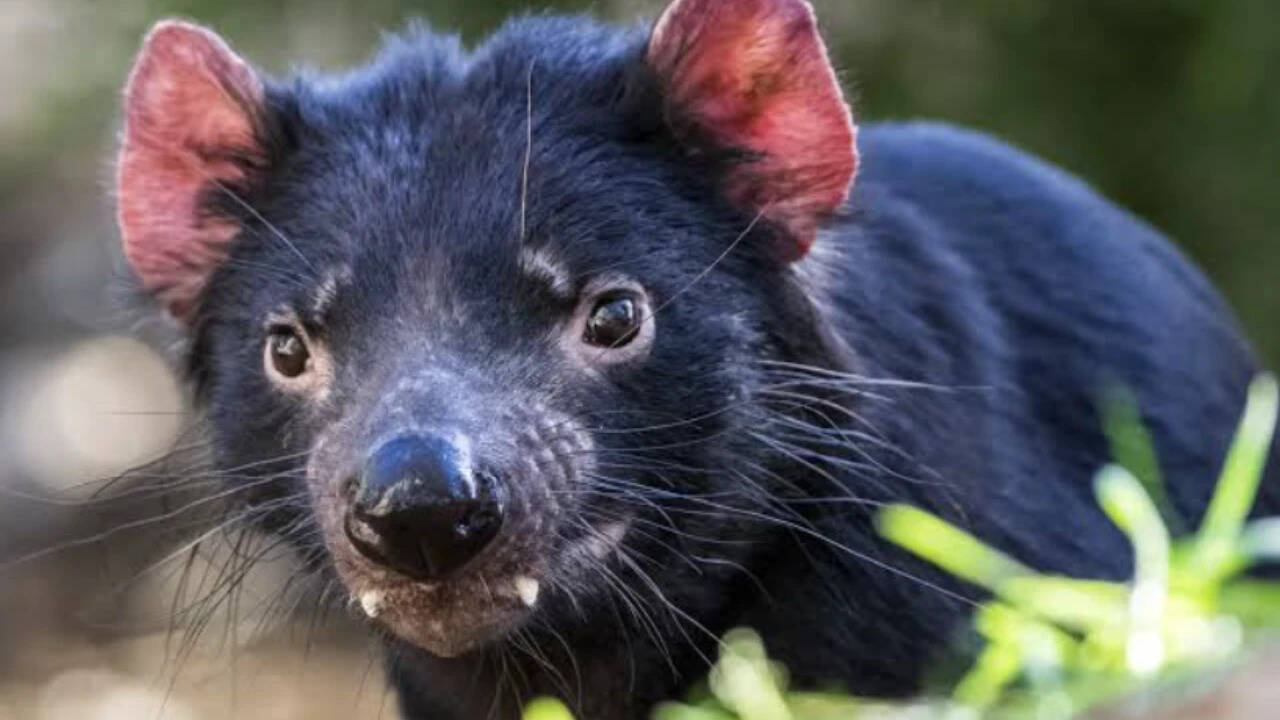
In 2012, 28 Tasmanian devils were relocated to Maria Island off Tasmania’s east coast as an "insurance population" to counter facial tumour disease plaguing the species. The devils have since thrived, their numbers reaching up to 90. However, this success has come at a significant cost, drastically reducing the island’s wildlife population, including the disappearance of a little penguin colony that once housed about 3,000 breeding pairs.
Maria Island had remained predator-free for millennia, making it a safe haven for ground-nesting birds like the Tasmanian native hen, as well as flightless birds like shearwaters, Cape Barren geese, and little penguins. Unfortunately, the introduction of the devils has had a devastating impact on these native bird species, resulting in the emptying of all little penguin colonies on the island.
Before the devils' introduction, Maria Island was home to an estimated 3,000 pairs of little penguins, according to Eric Woehler of BirdLife Tasmania. The penguins found refuge on the island, protected from threats such as feral dogs and cats. However, a survey conducted by Parks and Wildlife staff about 18 months after the devils' arrival found that all little penguin colonies on Maria Island had vanished.
Conservation groups had raised concerns about the devil population before their introduction, warning that the introduction of predators onto oceanic islands always results in a catastrophic impact on bird species. The Tasmanian Government, however, continued to consider Maria Island a crucial part of its Save the Devil Program, managing the devil population to minimize its ecological impact. The department acknowledged that conservation programs must adapt to evolving scientific knowledge and priorities.
Written by urgent.news from Times of India's reporting — not their text. Machine-written — may contain errors; check the original before relying on it.