Simon Weckert’s Digital Camouflage T-shirt That Can Fool AI Vision Systems
A brightly patterned shirt designed by German artist Simon Weckert aims to disrupt computer-vision algorithms that identify people. Called Digital Camouflage, the wearable artwork uses an adversarial pattern designed to interfere with the way an AI object detector interprets the human figure. In demonstrations published by Weckert, a YOLO-based system identifies other people in the […]
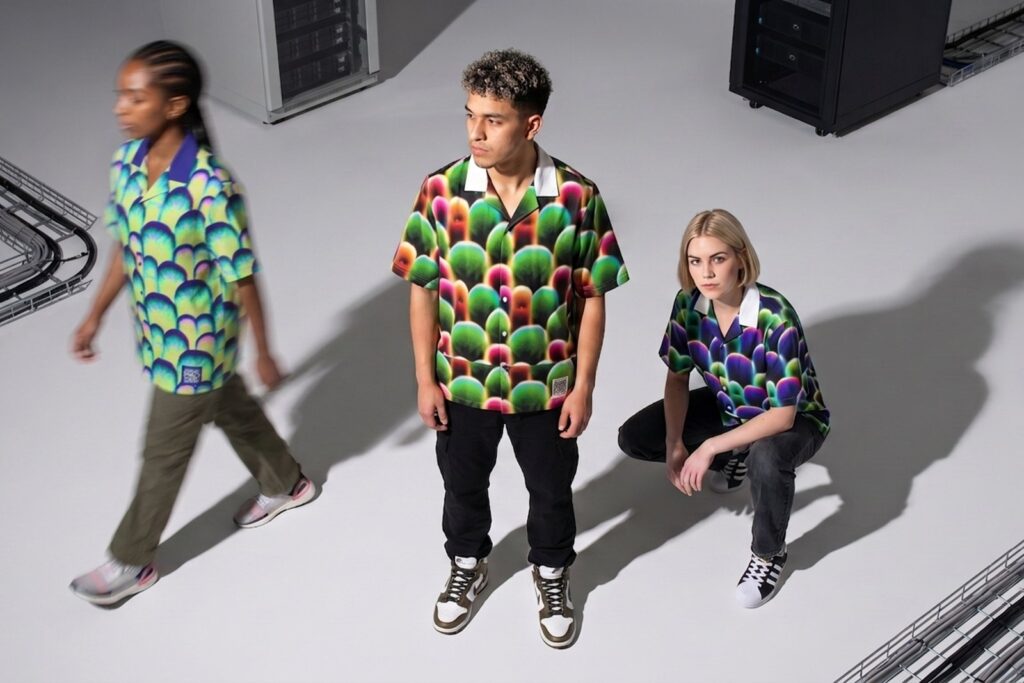
German artist Simon Weckert has created a Digital Camouflage t-shirt that aims to trick artificial intelligence (AI) systems designed to identify people in images. The garment utilizes an adversarial pattern that interferes with AI object detectors, making the wearer seemingly invisible to the algorithm. The project was inspired by Weckert's broader work using technology to highlight the ways digital systems govern physical navigation and perception.
The Digital Camouflage design targets key visual markers that AI-based object detection models use to identify people. By training and testing the pattern against the YOLO (You Only Look Once) family of real-time object-detection models, Weckert was able to demonstrate how the shirt interferes with the AI's ability to classify the image as containing a person.
It is important to note that the shirt does not make its wearer completely invisible to a camera, but rather affects the algorithm's classification of the image as containing a person. The person remains clearly visible to the human eye. Weckert has explicitly stated that the project does not claim to defeat every AI camera, facial-recognition system, or surveillance network, as these systems cannot be independently tested from the outside.
The performance of the Digital Camouflage shirt can also vary based on the model, viewing angle, distance, and lighting. While the pattern is effective in disrupting AI object detection, it does not automatically defeat facial recognition systems, as these rely on entirely separate algorithms. Weckert has previously created other projects that explore the relationship between technology and social issues, such as his 2020 project that created a virtual traffic jam on Google Maps using 99 smartphones.
Written by urgent.news from Colombia One's reporting — not their text. Machine-written — may contain errors; check the original before relying on it.