Same table, different meals: Korean food's draw is participation
One of the questions visitors ask me most often is why Koreans share their side dishes. First-timers walking into a Korean restaurant are often caught off guard. They ordered one dish, and within minutes the table fills with kimchi, seasoned vegetables and pickles. None of it lands on their own plate. It all goes to the middle of the table and belongs to everyone. Most visitors view this as part…
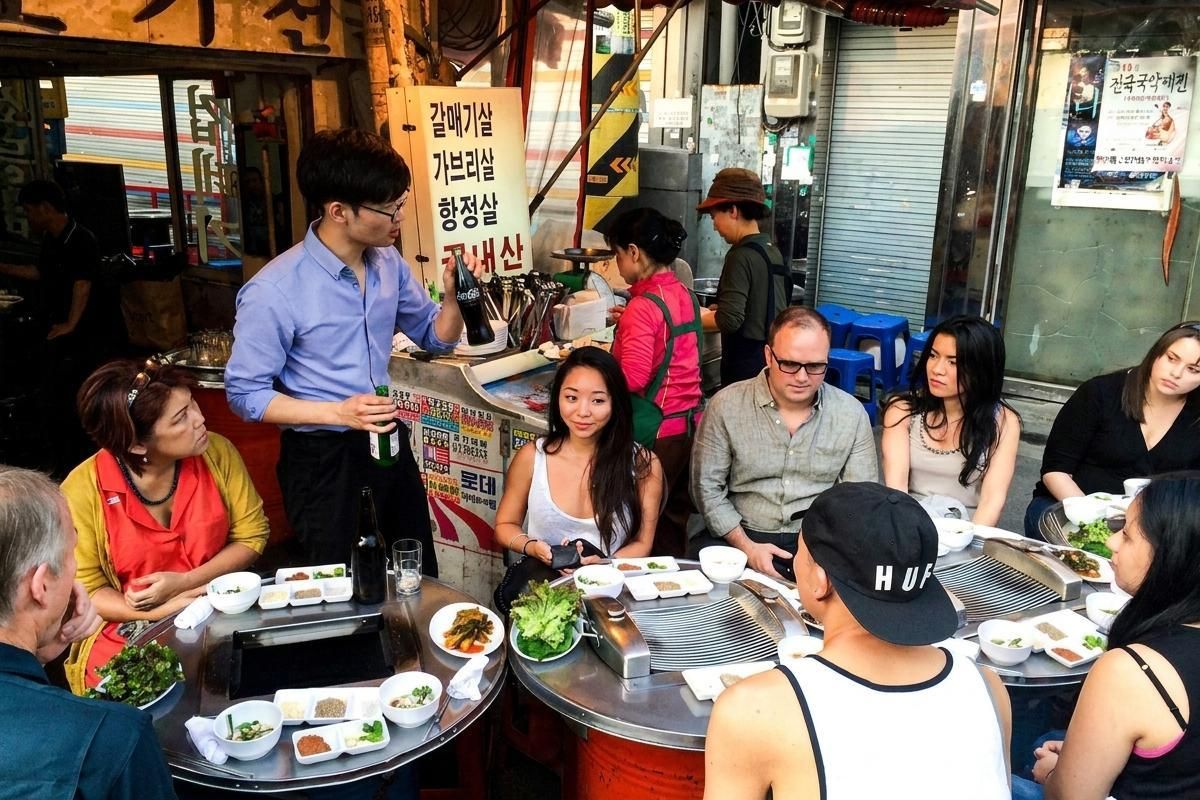
One of the most frequently asked questions by visitors to Korean restaurants is why Koreans share their side dishes. When first-timers enter a Korean restaurant, they are often surprised to see a table filled with kimchi, seasoned vegetables, and pickles. However, none of these dishes are placed on the individual's plate; instead, they are placed in the center of the table for everyone to share.
Visitors often see this as a reflection of Korea's sharing culture, and they are not mistaken. But, the real reason Korean cuisine, or Hansik, stands out is that people sharing one table can eat entirely different meals.
A few years ago, the author shared a meal with a journalist from Austria. Despite the journalist being a vegetarian, the author managed to arrange the meeting at a Korean barbecue restaurant. The meal proceeded smoothly, with the table filling up with rice, soup, leafy greens, and side dishes. When the journalist asked the author how to eat ssam, a traditional kind of lettuce wrap, and whether any side dish should not be put inside, the author replied that none should be put inside.
Written by urgent.news from The Korea Times's reporting — not their text. Machine-written — may contain errors; check the original before relying on it.
Also reported by 1 other outlet
- Same table, different meals: Korean food's draw is participation koreatimes.co.kr