Problem of stray dogs a result of governance failure, says activist
Rajesh Nagarajan says rising cases of attacks by strays is a result of years of unchecked abandonment and breeding.
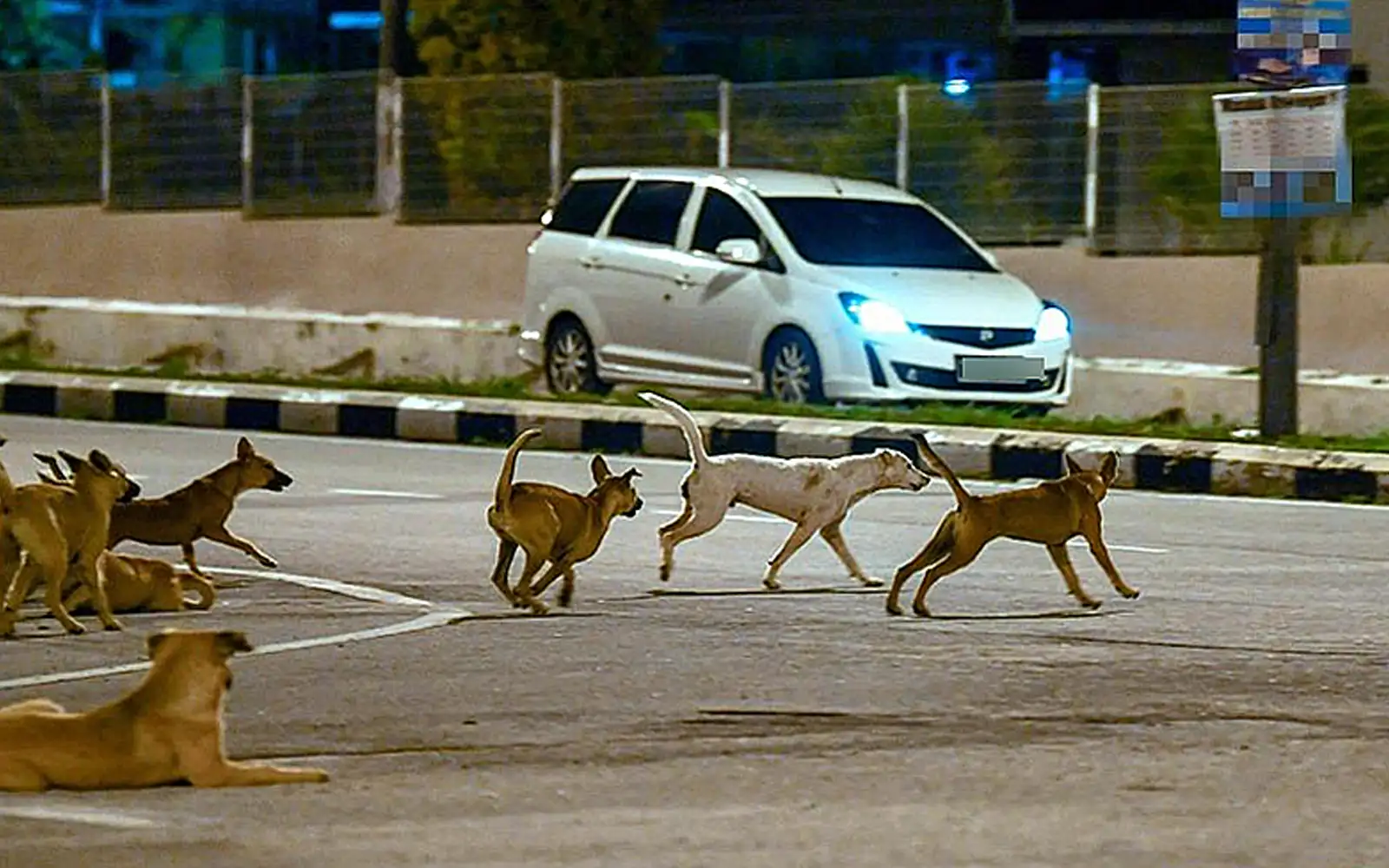
An animal rights activist has criticized calls for stricter measures against roaming dogs, arguing that stray animals are being unfairly blamed for government failures in managing abandonment, breeding, and licensing. Rajesh Nagarajan, of Lawyers for Animal Rights, emphasized that stray dogs do not emerge spontaneously; they result from abandonment, uncontrolled breeding, and local authorities who have never implemented a proper population management system.
He dismissed the current approach of treating animals as the main target as a "cover story," not a safety policy.
Following a call by Suhakam’s children’s commissioners to identify "child-sensitive roaming-dog hotspots" and adopt risk-based enforcement standards, Rajesh stressed that authorities should pinpoint any hotspots, investigate them, and remove only the specific animals responsible. He clarified that enforcement must differentiate a genuinely dangerous animal from a healthy dog without an owner.
The term "stray" does not constitute a risk assessment, and before any crackdown, authorities must answer several questions: How many complaints preceded each attack, and what actions were taken? Were dangerous animals ever assessed or removed? Were sterilization and vaccination programs adequately funded?
Rajesh expressed concern over potential bounty schemes or mass killings of stray dogs, arguing that such measures would not address the root causes of the issue. He warned that removing dogs without resolving abandonment and breeding problems would merely result in new animals taking their place within weeks, describing this as "enforcement theatre" rather than effective population management.
Instead, he advocated for compulsory identification, sustained sterilization and vaccination, enforcement against abandonment, professional assessment of dangerous animals, and transparent public data. When there is a clear and immediate threat to a child, decisive action should be taken against the dangerous animal, not every unowned one.
Written by urgent.news from Free Malaysia Today's reporting — not their text. Machine-written — may contain errors; check the original before relying on it.
This story
This is one outlet's version. Read the fullest account.
- Problem of stray dogs a result of governance failure, says activist freemalaysiatoday.com