Pregnant and planning a trip? What to know before you go
Doctors explain when travel is generally safest, what to check before flying and why access to medical care at your destination matters.
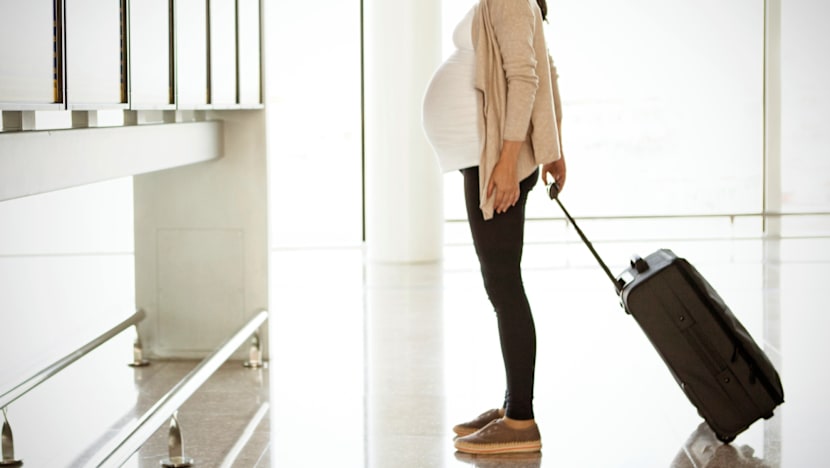
Pregnant women contemplating a journey should be aware of several important factors before embarking on their trip. Experts advise discussing travel plans with a physician at least four to six weeks prior to departure, who can perform a risk evaluation to determine if the pregnancy permits travel. The safest time to travel is typically between 14 and 28 weeks for low-risk, singleton pregnancies.
However, complications may arise during the first 12 weeks or early third trimester, and some airlines may refuse boarding after 28 weeks or even earlier for certain risk factors.
When traveling, carry a doctor's letter that includes the due date and confirms clearance to fly, as many international airlines require such documentation after 28 weeks or may refuse boarding after 36 weeks. Cruise companies usually prohibit pregnant passengers after 23 weeks, so it's essential to check with the specific carrier.
Upon returning, allow for potential delays and ensure medical care is available at the destination. Remote areas may lack essential facilities like labor and delivery units or neonatal intensive care units. If traveling by cruise, investigate onboard and port medical resources. Be mindful of mosquito-transmitted illnesses that could cause pregnancy complications and take preventive measures such as wearing long-sleeved clothing, using pregnancy-safe repellents, and sleeping indoors with air conditioning and closed windows.
Confirm health or travel insurance coverage for pregnancy-related care overseas, considering a separate travel medical insurance policy for emergencies and evacuation. Bring prenatal medical records in both digital and hard copy formats and carry extra prescription medications. Stay hydrated by drinking a bottle of water before the flight, another on board, and more if the trip is lengthy.
Use compression socks to enhance blood flow, reduce swelling, and prevent deep vein thrombosis. Walk around the plane at least every few hours and wear the seatbelt correctly, placing it in the crease below the bump.
Book accommodations with air conditioning and an elevator, or request a low floor. Inform hotel staff of the pregnancy, and avoid hot tubs and activities that may cause abdominal trauma. Be vigilant for urgent maternal warning signs, such as abdominal pain, vaginal bleeding, persistent contractions, headache, and dizziness. If in doubt, seek immediate medical attention.
While traveling while pregnant is generally considered safe with proper precautions, it can be stressful. Short-term anxiety medication is usually not recommended, but discussing options with a physician is advisable. Techniques like stretching, paced breathing, muscle relaxation, splashing cold water on the face, or redirecting thoughts can help manage stress.
Written by urgent.news from Channel News Asia's reporting — not their text. Machine-written — may contain errors; check the original before relying on it.