Portland teen, 17, makes small AI models 90% more empathetic
A 17-year-old student created a groundbreaking training method for artificial intelligence that enhances communication skills in smaller AI models. This unique technique received impressive empathy ratings in various tests, paving the way for more advanced conversational capabilities in personal devices. By focusing on human-like interaction, the student's research pushes the boundaries of how we…
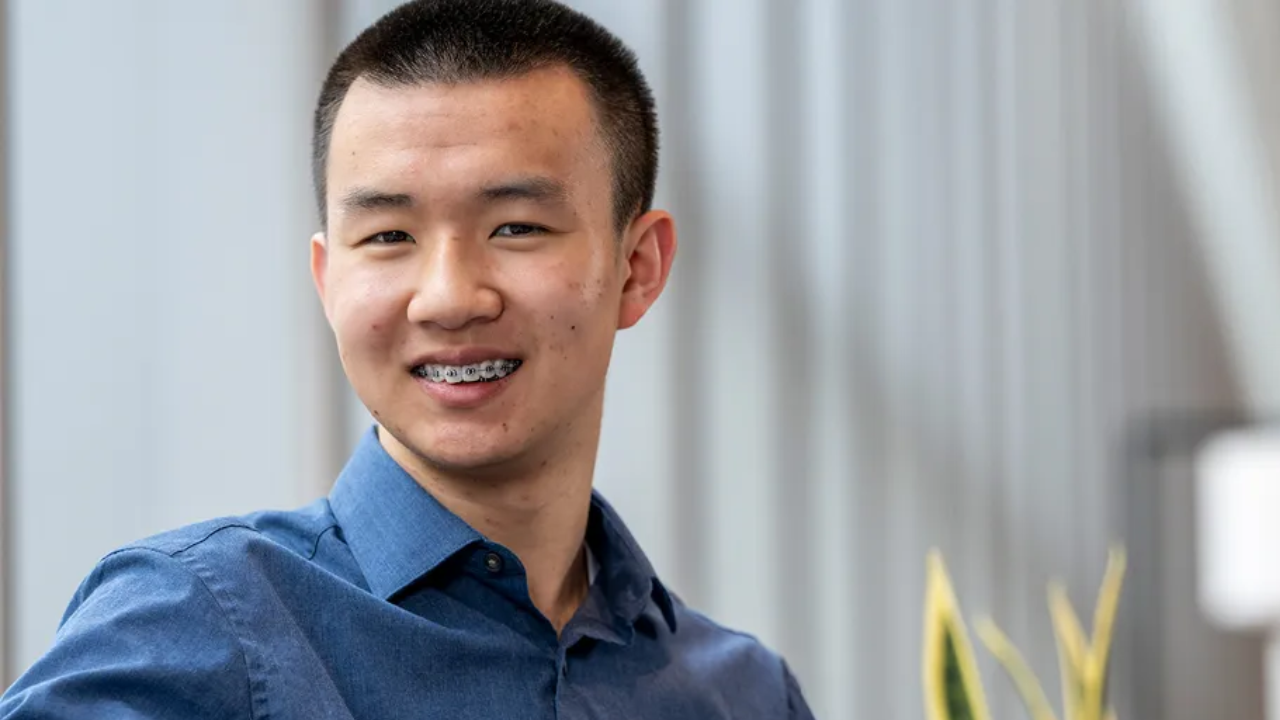
A 17-year-old student from Portland, Oregon named Henry Xie has created a new method that makes small artificial intelligence models up to 90% more empathetic. This computer science project, titled "Distilling Empathy From Large Language Models," won Xie a spot as a national finalist in the Regeneron Science Talent Search, a prestigious competition for high school seniors in the United States.
Large language models, like OpenAI's ChatGPT and Google's Gemini, are powerful AI systems that can generate detailed and emotionally supportive responses. However, they require significant computing power, costly server systems, and constant internet connectivity. In contrast, small language models (SLMs) can operate on personal devices such as smartphones, laptops, and wearables without needing the same level of server support.
They provide quick responses but have struggled to understand emotional details and produce emotionally aware replies.
To address this issue, Xie developed a two-step training method. In the first stage, he collected and used examples of empathetic conversations produced by larger AI models, incorporating established psychological ideas about communication and supportive listening. He then trained small language models using these examples, teaching them basic patterns for using empathetic language.
In the second stage, Xie added specific prompts that encouraged the smaller models to evaluate their own responses. By comparing more empathetic answers with less empathetic or dismissive ones, the models learned to choose responses that better recognized and responded to people's emotional states.
Xie's research has shown that when tested against larger models, the empathetic small language models were rated as more empathetic in at least 90% of test situations. This method could make advanced conversational AI features accessible on personal devices, allowing them to provide emotionally aware responses without sending sensitive user information to cloud servers. This could enhance emotionally aware features in various everyday apps, wellness tools, and consumer devices, promoting more human-focused AI development.
Written by urgent.news from Times of India's reporting — not their text. Machine-written — may contain errors; check the original before relying on it.