Philippines holding historic election in Muslim autonomous region
Voters in an autonomous southern Philippine region will cast their ballots on Monday in the region’s first parliamentary elections, seen as a crucial step in the quest for self-determination and lasting peace after decades of insurgency and violence. The Bangsamoro Autonomous Region in Muslim Mindanao, or BARMM, covers five provinces, three cities and 63 villages across eight special geographic…
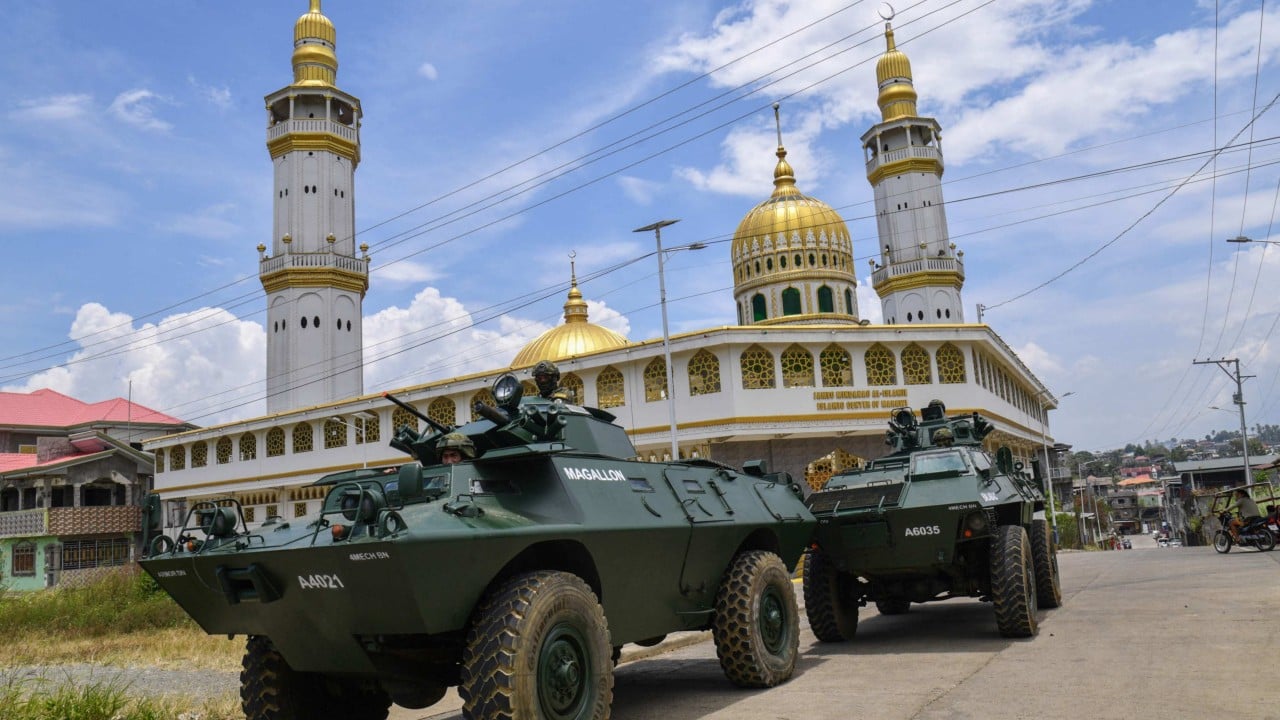
On Monday, voters in the Bangsamoro Autonomous Region in Muslim Mindanao (BARMM) will participate in the first parliamentary elections in the region's history. This landmark event is viewed as a significant milestone towards achieving self-determination and lasting peace in the region, which has been plagued by decades of insurgency and violence.
The BARMM, covering five provinces, three cities and 63 villages spread across eight special geographic area clusters, has nearly 2.4 million registered voters. Election officials are aiming for an 80% turnout following several years of postponements to the election. There are 80 seats up for grabs, including 40 representing political parties, 32 representing districts, and eight representing sectoral interests.
Unlike the direct voting process for the national government, the region's chief minister is chosen by members of parliament through a majority vote during their first session.
The 40 seats allocated to political party nominees will be distributed based on the party's share of the vote. The history of strife in the region is deeply rooted in centuries of colonial rule by Spain, the US, and Filipino Christian settlers, which turned Muslims into a minority group in Mindanao, the southern third of the Philippine archipelago. Since the 1970s, approximately 150,000 people have been killed in the southern Philippines, and development has been hindered in the country's poorest region.
In 2014, a peace deal brokered by Malaysia allowed the largest Muslim rebel group, the Moro Islamic Liberation Front, to give up its aspiration for a separate Muslim state in exchange for broader autonomy. Under the deal, the group's 40,000 fighters were to be demobilized and provided with livelihoods and other assistance. However, the Moro Islamic Liberation Front recently suspended the disarming of its remaining 14,000 fighters, claiming the government has not fully met its socio-economic commitments under the 2014 peace deal. This has raised concerns about potential violence that could affect voter confidence.
With more than 20,000 military and police personnel deployed to secure the elections, the Commission on Elections Chairman Erwin Garcia emphasized that the primary goal is to ensure that citizens can exercise their right to vote. Michael Henry Yusingco, a senior research fellow, highlighted the challenges the region faces in sustaining parliamentary democracy.
He stressed that regional parties must demonstrate a party ethos rooted in collective responsibility, mutual respect, and a focus on the common good to maintain parliamentary stability.
Written by urgent.news from South China Morning Post's reporting — not their text. Machine-written — may contain errors; check the original before relying on it.