Panamakanalen strammer inn: – En inflasjonsdriver
Sannsynligheten for tidenes sterkeste El Niño tvinger skip til lange omveier.
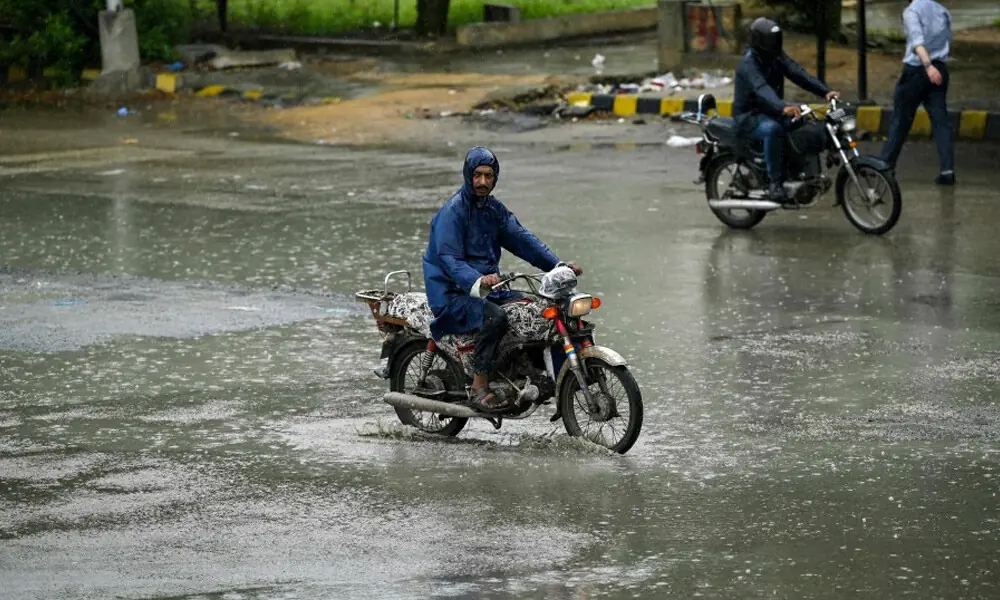
The United States military agency NOAA has released an updated report, estimating a 75% probability that El Niño, a weather phenomenon characterized by unusually warm sea surface temperatures in parts of the Pacific Ocean, will intensify during the October-December period. El Niño typically brings higher global temperatures and can lead to both flooding and drought in affected areas worldwide.
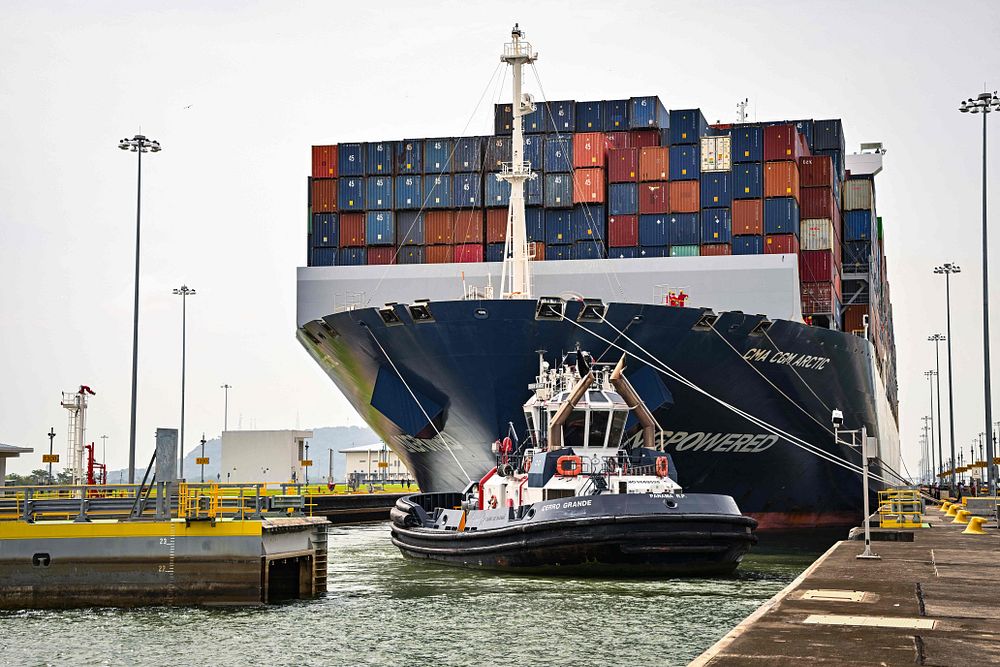
Countries such as Peru have already implemented measures, including fishing bans in response to the abnormal warm water. Panama is now also taking action, reducing the number of daily ship passages through the Panama Canal from 36 to 32. This comes as El Niño increases the risk of even drier conditions. The Panama Canal, a crucial route connecting the Atlantic and Pacific Oceans, handles about five percent of global sea-borne trade.
Due to reduced rainfall, Panama has reduced the number of daily ship passages through the canal from 36 to 32. Ships traveling from the US East Coast to Asia are now forced to circumnavigate South Africa, adding 40-50 percent to their journey. This longer travel distance results in fewer available ships for loading, raising shipping costs and subsequently consumer prices.
Norwegian shipping costs are expected to rise as well. Meteorologists, including Rasmus Benestad from the Meteorological Institute, warn that this situation could lead to inflation. Benestad further explains that El Niño has already begun and is linked to the record-breaking heat experienced in August. This is a completely new situation, with no precedent in recent history.
El Niño is a natural weather phenomenon that occurs every 2-7 years when the sea surface temperature near the equator in the Pacific Ocean becomes unusually warm. It typically reaches its peak around Christmas. The phenomenon can result in increased rainfall in some areas and increased drought in others. Global temperatures also tend to rise due to El Niño.
The phenomenon influences the formation of storms, shifting them from the North Atlantic to the Pacific Ocean, thus altering weather patterns worldwide. Europe is expected to feel the effects of El Niño indirectly through global trade. According to the European Central Bank, a strong El Niño could raise global food commodity prices by 9 percent, affecting staple crops such as soybeans, maize, rice, coffee, sugar, cocoa, and cooking oil for up to two years.
Written by urgent.news from E24 Norway's reporting — not their text. Machine-written — may contain errors; check the original before relying on it.