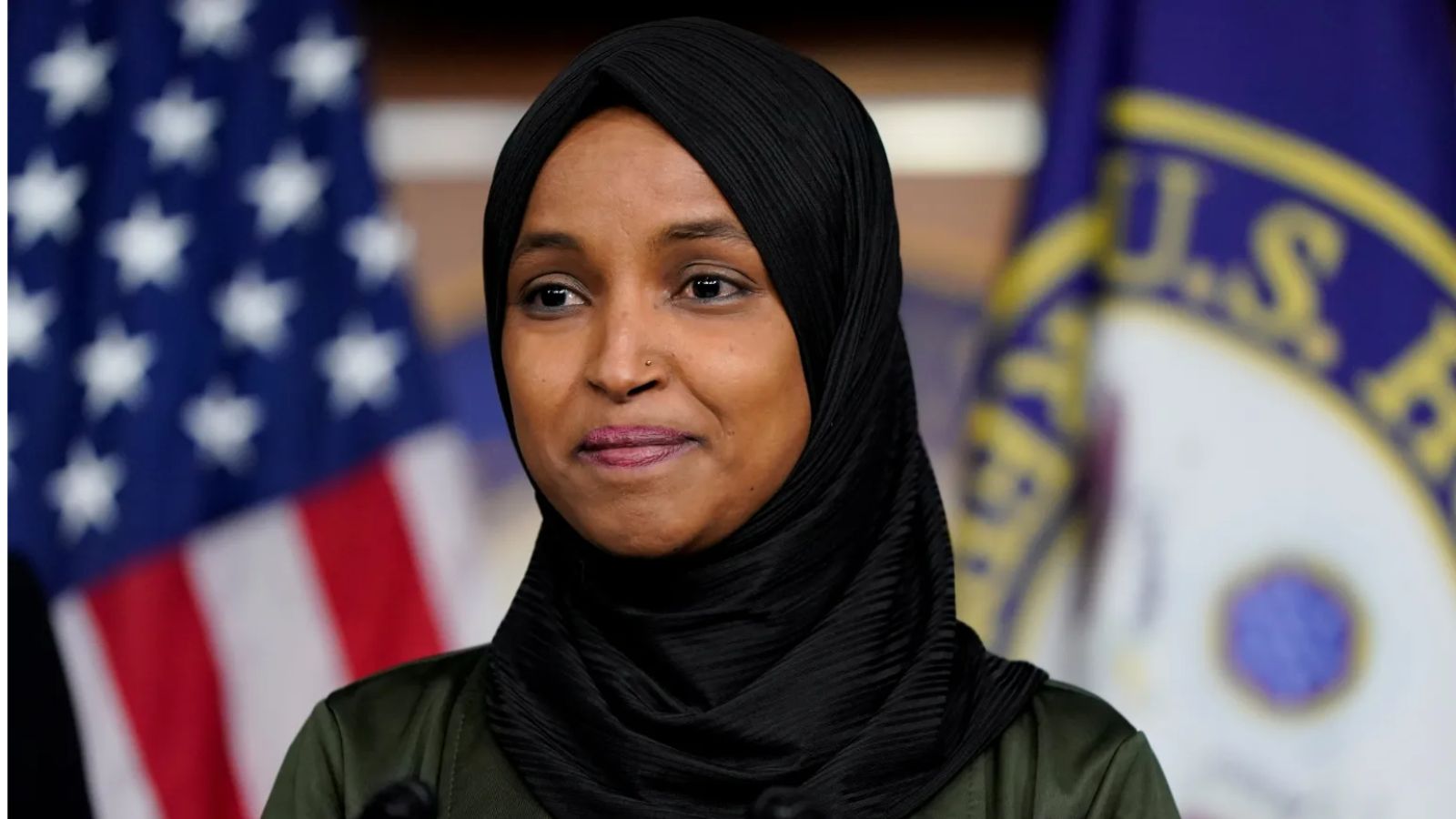
Pakistan's counterterrorism paradox: 25 years after 9/11
https://www.dawn.com/news/2029570/pakistan-25-years-post-2001
In the 25 years since the tragic events of September 11, 2001, the world has undergone a significant transformation, marked by the emergence of controlled societies and the rise of various forms of populism. The impact of these changes is particularly evident in Pakistan, which has emerged as a front-line state in the global war against terrorism.
Despite making significant achievements in counterterrorism, the country has also experienced weakened internal cohesion, the rise of authoritarianism, and an economy in disarray. The return of the Taliban to power in Afghanistan in 2021 has further exacerbated existing challenges.
Pakistan's strategic partnership with the US, established in the wake of 9/11, has also come under strain due to mistrust over various issues, including Afghan sanctuaries, drone strikes, and the 2011 Abbottabad operation. However, the international community has begun to recognize Pakistan's efforts in combating terrorism, and India's terrorism narrative against Pakistan appears to be losing some of its effectiveness globally.
Through operations such as Rah-i-Raast, Rah-i-Nijaat, Zarb-i-Azb, and Raddul Fasaad, Pakistan has dismantled major terrorist sanctuaries, notably in Swat and the former tribal districts. This has improved relations with China and expanded ties with Gulf countries and Türkiye. Nonetheless, relations with Afghanistan remain problematic. Despite having abandoned the use of militant proxies, the issue continues to pose challenges in foreign relations and contribute to military confrontations.
Written by urgent.news from Dawn - Pakistan's reporting — not their text. Machine-written — may contain errors; check the original before relying on it.