P Chidambaram writes: Holding a mirror to GDP numbers
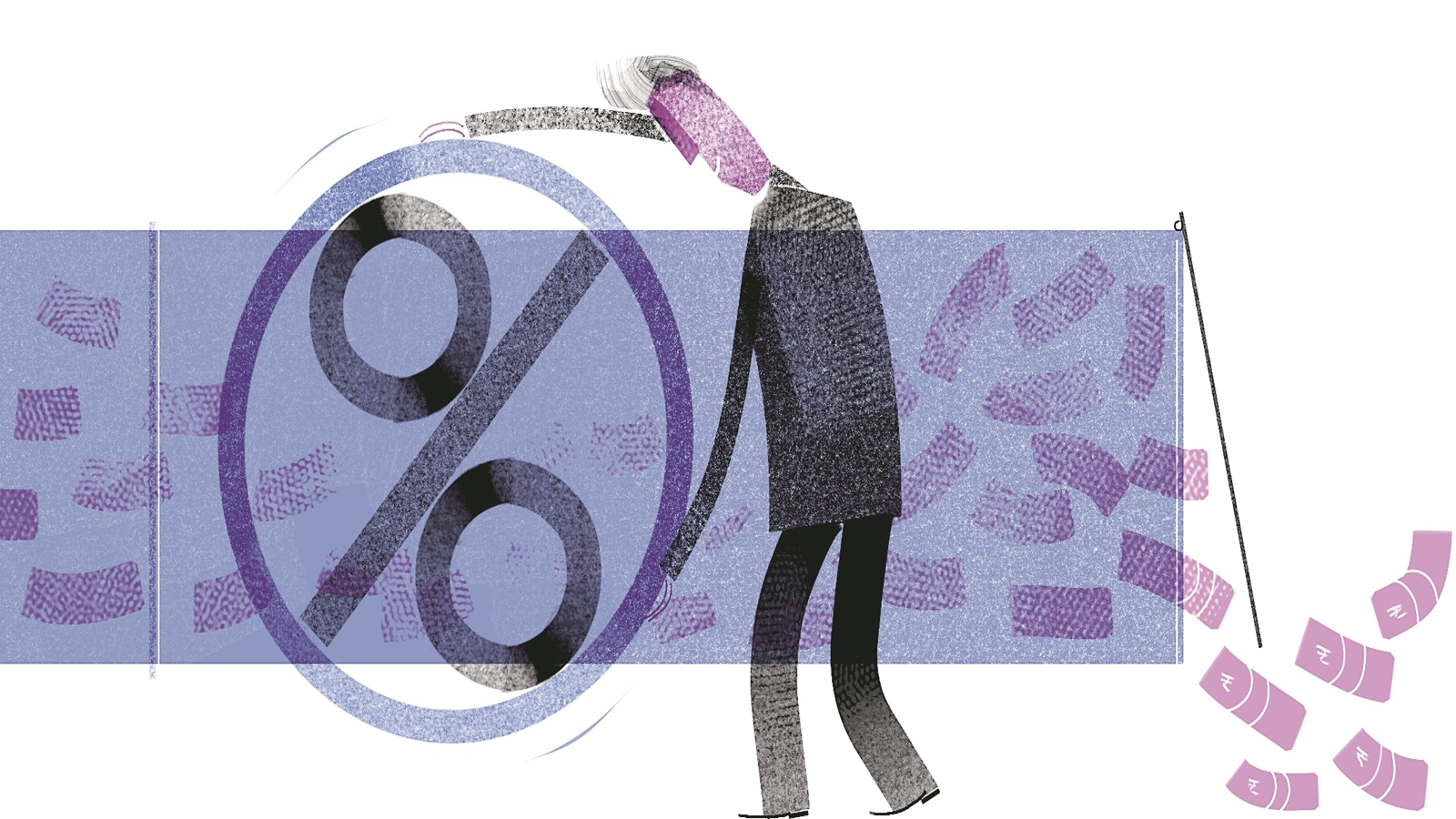
The Ministry of Statistics and Programme Implementation (MoSPI) has released GDP figures for Q1 2026-27, with a growth rate of 10.3 percent in nominal prices and 7.8 percent in constant prices compared to Q1 2025-26. This has led to a heated debate on the accuracy of GDP numbers. Rather than speculating about a 'one nation, one election' policy, it is more important to scrutinize the GDP growth and its benefits to the population.
The author does not wish to contribute to the controversy, assuming the MoSPI numbers to be accurate. They calculated the compound annual growth rate (CAGR) of nominal and real GDP using two different base years. Notably, the CAGR remains relatively stable from 2022-23 to 2026-27, indicating that the economy has not drastically changed.
However, there are several concerning issues that need to be addressed. Firstly, under the old base year, GDP in constant prices appears depressed compared to current prices, a discrepancy that is not present under the new base year. Secondly, the unemployment rate among youth aged 15-29 is alarmingly high at 16.2 percent, with graduates aged 29-34 experiencing unemployment rates of 40-45 percent.
Additionally, real wages have declined for casual, salaried, and self-employed workers, with negative growth rates of -5.5, 1.7, and 3.3 percent, respectively.
Net FDI remains low, while forex reserves have reached an all-time high of USD 740 billion, yet the rupee has depreciated by nearly 5 percent against the US dollar. The trade deficit has also increased, and despite various schemes like Make-in-India and PLI, the manufacturing sector has stagnated at 13 percent. Capital investment, measured by Gross Fixed Capital Formation (GFCF), has been stagnant at around 33.5 percent of GDP, with private corporate capital expenditure remaining unchanged.
The author concludes that despite the nominal GDP growth of 7.8 percent, the majority of citizens do not feel or believe that their lives have improved. This growing dissatisfaction, particularly among Gen Z, highlights the need for tangible benefits to percolate to the people, such as better schools, hospitals, roads, water supply, policing, and overall economic advancement.
Written by urgent.news from The Indian Express's reporting — not their text. Machine-written — may contain errors; check the original before relying on it.