NYT Strands hints and answers for Monday, September 14 (game #925)
Looking for NYT Strands answers and hints? Here's all you need to know to solve today's game, including the spangram.
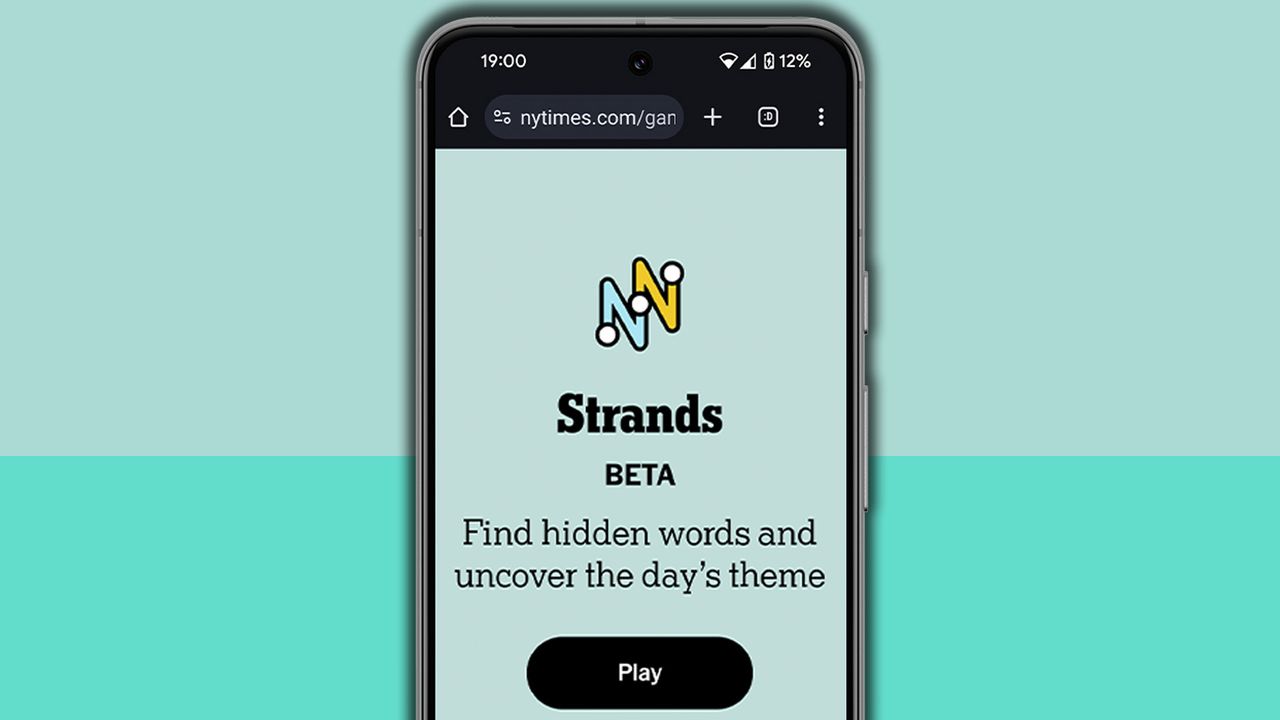
It's the 14th of September, and the New York Times' latest word game, Strands, is ready for another day of puzzling fun. Strands has joined the ranks of popular titles like Wordle, Spelling Bee, and Connections, providing players with a fresh and engaging challenge. To help newcomers and those in need of a refresher, we've gathered hints and answers from today's game (game #925).
Today's theme is OH MY GOSH!! The players can unlock the in-game hints system by playing any of these words: DUCK, LICE, SHUCK, TART, DAZE, or FRESH.
The spangram, a word that stretches across both rows and columns on the puzzle board, consists of 13 letters. It touches the top left corner of the board, occupying the first row and first column, and extends down to the bottom sixth column.
The answers to today's Strands puzzle are: EXCLAIM, START, GASP, RECOIL, FREEZE, and SHUDDER. Collectively, they form the spangram "THATSSHOCKING," sparking joy and excitement among players.
For those curious about the origins of the phrase "OH MY GOSH!!", it has a surprisingly long history dating back to the 18th century. Despite its recent resurgence, the word "gosh" originally had no meaning beyond being an altered version of "god". In today's context, the phrase served as a clue to an enjoyable gameplay experience.
My rating for today's Strands puzzle is easy, and I managed to achieve a perfect score. The spangram "THATSSHOCKING" was my first appearance in months, providing a delightful sense of accomplishment. It's remarkable how the phrase "OH MY GOSH!!" has had a second life in recent years, evoking feelings of surprise and delight. Give Strands a try and see if you can uncover its delightful answers!
Written by urgent.news from TechRadar's reporting — not their text. Machine-written — may contain errors; check the original before relying on it.
This story
This is one outlet's version. Read the fullest account.