Modi flags ‘weaponisation’ of tech and critical minerals at BRICS summit
At the Brics Summit, Modi addressed technology weaponization and mineral access as obstacles to development, urging inclusivity. He announced initiatives to strengthen supply chains and promote sustainability.
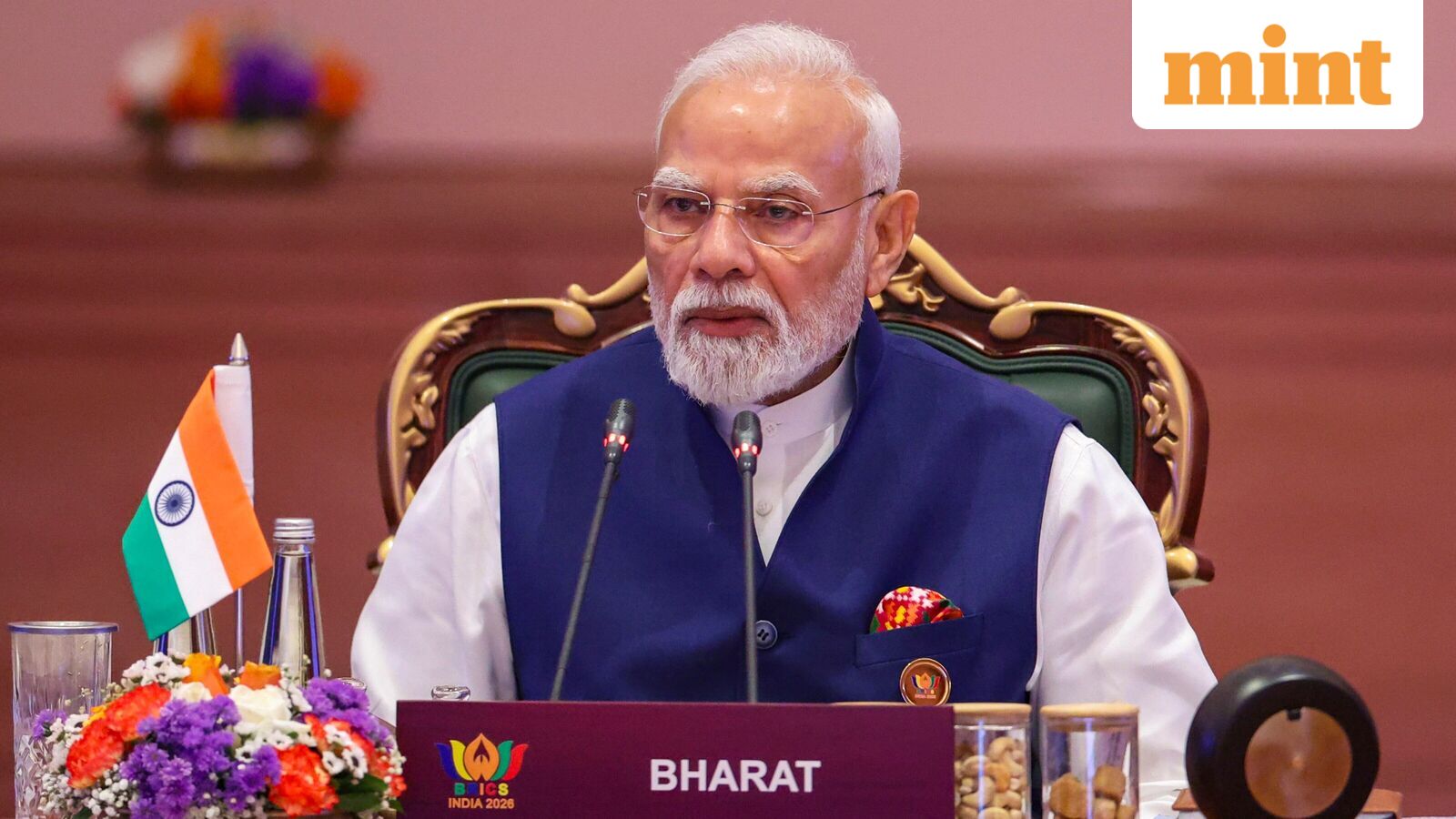
At the BRICS Leadership Summit in New Delhi, Prime Minister Narendra Modi cautioned against the "weaponization" of technology and critical minerals, warning that such control could impede economic growth and exacerbate technology disparities among developing nations. The summit, in its second and final day, focused on strengthening supply chains, supporting small businesses, fostering startups, and enhancing pandemic prevention mechanisms to benefit a broad spectrum of stakeholders across member nations.
Modi emphasized the importance of inclusivity in technology adoption, stressing that equal access to technological advancements, such as artificial intelligence and clean energy, is crucial for all BRICS countries to avoid widening disparities. Recognizing the strategic importance of technology and critical minerals, he highlighted the need for a balanced development approach that integrates sustainability measures, ensuring economic progress does not compromise environmental health.
The BRICS nations, comprising Brazil, Russia, India, China, and South Africa, expanded in 2024 to include Egypt, Ethiopia, Iran, the United Arab Emirates, and Saudi Arabia, with Indonesia joining in 2025. Together, they account for nearly a quarter of the world’s exports and a significant portion of the global population and GDP (purchasing-power-parity basis).
Modi called for BRICS to transcend intergovernmental cooperation, aiming to directly impact the lives of ordinary citizens and foster broader engagement among all stakeholders.
He urged the strengthening of the BRICS Logistics Supply-Chain Cooperation Framework to improve supply chain resilience and reliability, countering the increasing global disruptions caused by the pandemic, geopolitical conflicts, and climate disasters. The framework facilitates technical exchanges and knowledge-sharing on cargo and shipping services, localized assembly and manufacturing ecosystems, and aims to mitigate the adverse effects of global supply chain vulnerabilities.
Modi also introduced the BRICS Incubator Network, a digital platform connecting national nodal agencies and incubators across member countries to nurture and scale innovative solutions to global challenges. Additionally, the BRICS Start-up Innovation Fund was launched to encourage the development of scalable solutions addressing pressing global issues. India, with over 200,000 registered startups, including 120 unicorns valued at over $1 billion each, was highlighted as a key player in this initiative.
The summit reiterated the BRICS commitment to resilience, innovation, cooperation, and sustainability, with the Delhi Declaration setting clear directives for future cooperation, complete with timelines and measurable outcomes. Modi stressed that the benefits of BRICS-developed solutions should extend beyond the grouping to benefit the Global South, emphasizing that advancements in technology and sustainability should be universally accessible.
Written by urgent.news from Live Mint's reporting — not their text. Machine-written — may contain errors; check the original before relying on it.