Mapped: the £150bn megaproject that aims to protect Britain from energy shocks
Thousands of miles of new power lines are needed to deliver climate targets and energy security, but bills will rise in the short term and opponents are mobilising Britain is embarking on one of the largest overhauls of its electricity grid in generations – a megaproject in which five times more infrastructure will be built by 2030 than was constructed during the previous three decades. Tens of…
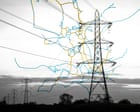
Britain is embarking on a £150 billion megaproject to overhaul its electricity grid and protect against energy shocks, with five times more infrastructure planned by 2030 compared to the previous three decades. This massive expansion of power lines, subsea cables, and converter stations aims to connect growing wind and solar farms and carry clean energy where it is needed.
The push for domestic low-carbon generation has been accelerated by global energy shocks, such as Russia's invasion of Ukraine and the Iran war, exposing the UK's vulnerability to market volatility. However, the ageing grid is currently unable to transmit the new clean energy, leading to increased reliance on fossil fuels and higher energy bills.
The National Energy System Operator estimates £64 billion in transmission investments by 2030 and a further £89 billion beyond that, mostly funded through surcharges on household bills. While the grid upgrades will eventually help lower costs by reducing reliance on expensive gas, there are risks of delays that could further strain consumers.
Brief written by urgent.news from Guardian Business's own syndicated text. Machine-written — may contain errors; check the original before relying on it.