Kanzler in der Krise: Wie Friedrich Merz seinen Machtverfall stoppen will
Der Kanzler reist nach Finnland, doch die innenpolitische Krise begleitet ihn. Könnte seine Amtszeit nach nur 16 Monaten enden? Merz kämpft um seine Macht. Und feilt an einer Strategie.
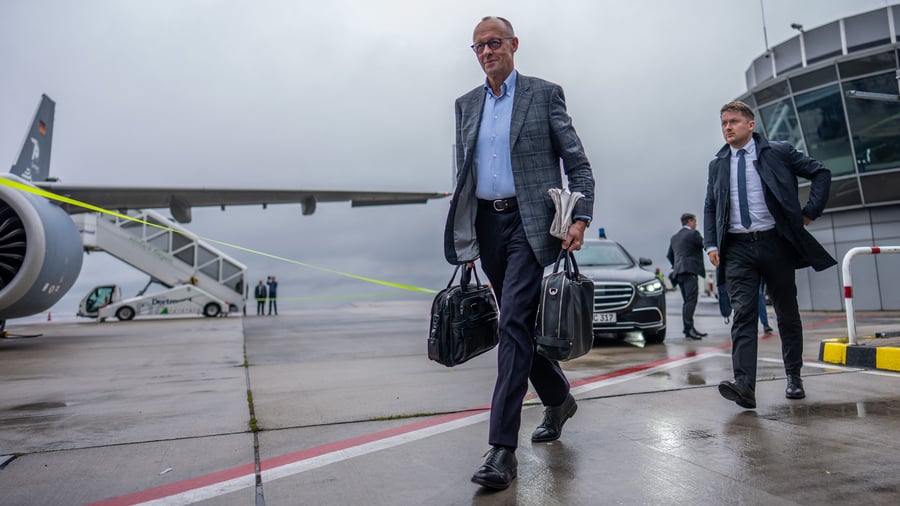
Friedrich Merz, Germany's outgoing chancellor, received words of appreciation during his final foreign trip. He had worked towards a "strong NATO" and a "united Europe," though he was now leaving with a sense of regret. In mid-June, European leaders gathered in Berlin's Chancellery to prepare for the NATO summit in Ankara. As the host, Merz addressed the gathering as the de facto leader of the Europeans.
He expressed condolences to the recently ousted British Prime Minister Keir Starmer, who had to step down following an internal party revolt. Three months later, it was Merz who was battling to retain his position. Following a political setback in Saxony-Anhalt, where the predominantly far-right AfD party nearly matched the CDU vote share, support for the chancellor was rapidly waning among his own ranks.
If this trend continued, Merz might soon face the same fate as Starmer. In the most challenging crisis of his chancellorship, Merz appeared determined to maintain normalcy. He was spotted jogging on the Dortmund airport tarmac on a Sunday afternoon. After a brief weekend in his home region of Westphalia, he was set to embark on a European Arctic policy summit in Rovaniemi, Finland, aboard a grey military Airbus.
Written by urgent.news from Handelsblatt's reporting — not their text. Machine-written — may contain errors; check the original before relying on it.
This story
This is one outlet's version. Read the fullest account.