Iran says commercial vessel struck in Strait of Hormuz
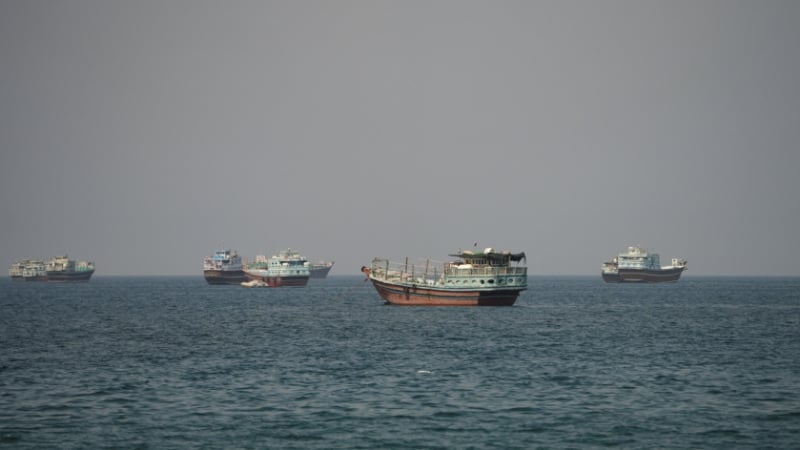
Iranian state media claimed an Iranian commercial vessel was struck in the Strait of Hormuz on Saturday, killing one person, amid an ongoing conflicts between the United States (US) and Iran for control over the crucial energy chokepoint, CNN reported.

On Saturday, Iranian state media reported that a commercial vessel belonging to Iran was struck in the Strait of Hormuz, resulting in one fatality. This incident occurred amidst the ongoing conflict between the United States and Iran over control of the strategic energy passage. Additionally, the UK Maritime Trade Operations Centre disclosed that another vessel in the strait was hit by an unidentified projectile late on Saturday.
Separately, Saudi Arabia has encountered increasing attacks from Iran-backed factions, exemplified by a Houthi assault on energy installations within their attempts to dominate a key waterway in the region. This action could further strain global oil prices. In financial terms, the terms "risk-on" and "risk-off" describe the degree of risk investors are prepared to take during a given period.
During a "risk-on" market, investors are optimistic about the future and more inclined to purchase risky assets. Conversely, in a "risk-off" market, investors tend to adopt a more conservative approach, favoring safer investments that offer a more certain return, even if it is modest.
Typically, during periods of "risk-on," stock markets tend to rise, and most commodities – with the exception of gold – also experience an increase in value, as they benefit from a positive outlook on growth. The currencies of nations that are major commodity exporters strengthen due to heightened demand, and cryptocurrencies also rise.
Conversely, in a "risk-off" market, bonds often rise, particularly major government bonds, while safe-haven currencies such as the Japanese Yen, Swiss Franc, and US Dollar benefit. The Australian Dollar, Canadian Dollar, New Zealand Dollar, and minor currencies like the Ruble and South African Rand generally rise in "risk-on" markets, as these economies rely heavily on commodity exports for growth.
Commodities tend to appreciate in value during these periods as investors anticipate increased demand for raw materials due to heightened economic activity.
Major currencies that tend to strengthen in "risk-off" markets include the US Dollar, Japanese Yen, and Swiss Franc. The US Dollar is favored as it is the world's reserve currency and investors often purchase US government debt in times of crisis due to its perceived safety, given the largest economy in the world is unlikely to default.
The Japanese Yen gains value from increased demand for Japanese government bonds, as a large proportion are held by domestic investors who are unlikely to sell even in a crisis. The Swiss Franc benefits from strict banking laws that offer enhanced capital protection.
Written by urgent.news from FXStreet's reporting — not their text. Machine-written — may contain errors; check the original before relying on it.
This story
This is one outlet's version. Read the fullest account.
- New report of attack on Strait of Hormuz shipping fans fears of threats to oil supplies brecorder.com
- Oman hopes Hormuz meeting fill force Trump to ‘recognize that the future of the strait will be decided by regional countries,’ Iran expert says fortune.com
- New report of attack on Strait of Hormuz shipping fans fears of threats to oil supplies hindustantimes.com
- New report of attack on Strait of Hormuz shipping fans fears of threats to oil supplies investing.com
- New ship attack report deepens fears over Hormuz, global oil supplies thevibes.com
- Houthis say Bab al-Mandab Strait shipping near normal despite fighting hellenicshippingnews.com
- New report of attack on Strait of Hormuz shipping fans fears of threats to oil supplies koreatimes.co.kr
- New report of attack on Strait of Hormuz shipping fans fears of threats to oil supplies al-monitor.com