I almost threw my stained cutting boards away — then I tried this simple salt hack that totally restored them
Stop scrubbing stained cutting boards with soap: here’s the simple salt trick that restores them.
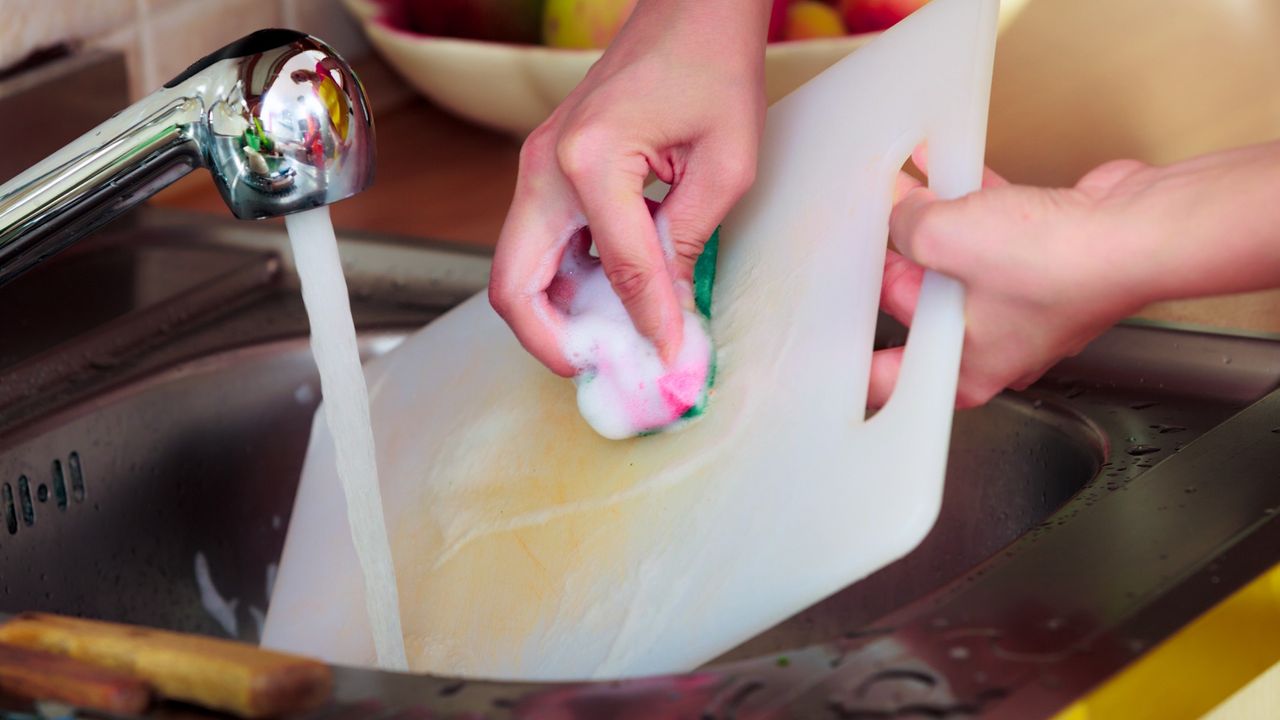
Stained kitchen cutting boards can be a nuisance, but a simple salt hack may just save them. After trying various methods, I was about to discard two old wooden boards covered in stubborn yellow turmeric spots and gray knife scuffs. Then, I discovered a natural and inexpensive solution using coarse salt and lemon juice.
The key lies in the microscopic cuts created by knife blades on both wooden and plastic boards. Regular dish soap fails to address these deep-seated pigments, as it primarily targets surface grease. Wood boards lose their protective mineral oils when stripped by harsh chemicals, making them more susceptible to permanent stains.
To execute this hack, gather coarse sea or kosher salt, a fresh lemon, and a microfiber cloth. Dry the board thoroughly before sprinkling a generous amount of coarse salt across the stained area. Use a lemon half, flat side down, to release its citric acid while scrubbing the board in circular motions. Allow the mixture to sit for five minutes, then rinse and wipe dry with a clean towel, letting it air-dry standing vertically.
This simple pantry trick can revitalize your cutting boards and eliminate persistent stains without resorting to harsh chemicals.
Written by urgent.news from Tom's Guide's reporting — not their text. Machine-written — may contain errors; check the original before relying on it.