How Marathi Theatre Became A Legacy Of Innovation And Reinvention
Theatre is an art that traces its origin almost to the beginning of civilisation. In some primitive societies, certain sacred observances in dance and role-playing forms could be alluded to as early theatre. This artistic expression gradually took a concrete shape in ancient societies like Greece, from where ‘theatron’, roughly meaning ‘a place for observance’ became the modern equivalent…
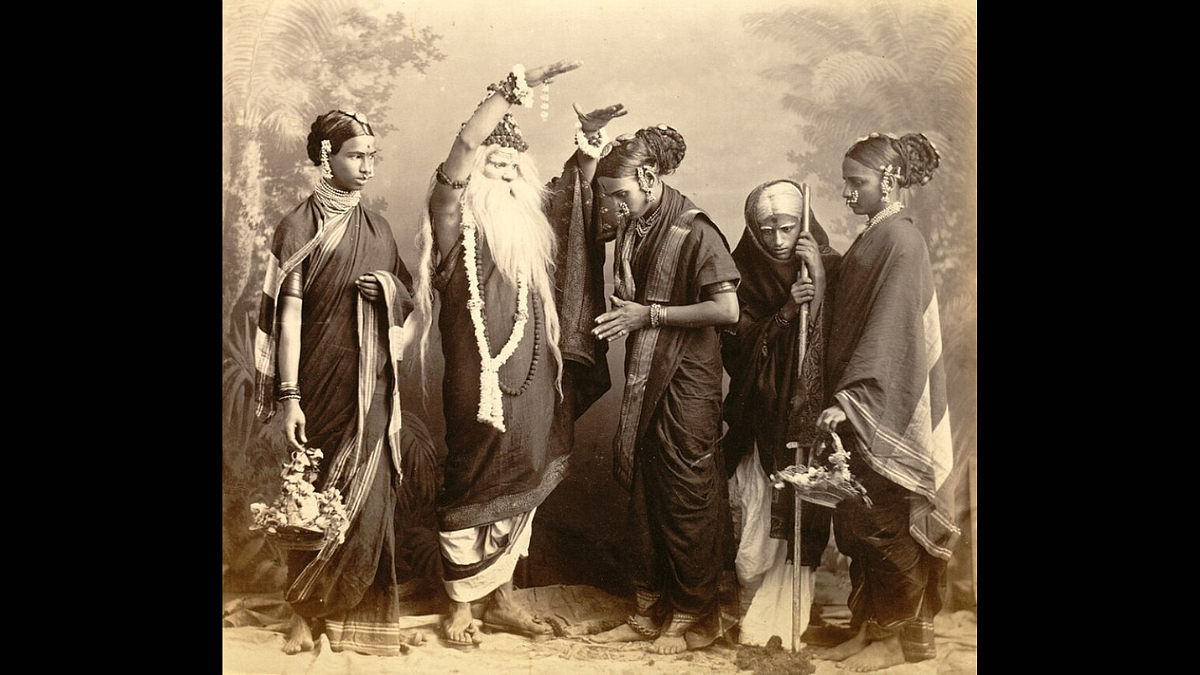
Marathi theatre, a legacy of innovation and reinvention, has evolved over centuries to become an integral part of Maharashtra's cultural identity. Roots extending to ancient times, early forms of theatrical expression can be traced back to the Indus Valley Civilisation and the Vedic era. The Sanskrit treatise Natya Shastra, attributed to Bharata Muni, laid the foundation for this art form.
During the Satavahana Dynasty, dramatic performances in Maharashtra were acknowledged, indicating its significance in the region. As Prakrit transformed into Marathi, creative outputs emerged in this new language, giving rise to distinct folk theatrical traditions like Dashavatara performances, Gondhal, and Tamasha plays.
The modern era saw Vishnudas Bhave's groundbreaking staging of 'Sita Swayamvar' in 1843, which marked the beginning of a new tradition in Indian theatre. Influenced by both traditional forms and European aesthetics, Bhave's work paved the way for professional setups, dexterous performances, and specialised artistry. Balwant Pandurang 'Annasaheb' Kirloskar further advanced Marathi theatre by producing 'Shakuntal,' a musical based on Kalidasa's work, and inspiring the Sangeet Natak format.
Marathi theatre played a vital role in social reforms during the 20th century, addressing issues such as caste discrimination and child marriage. It also embraced themes of nationalistic fervour, critiquing British colonialism through allegorical plays like Krishnaji Prabhakar Khadilkar's 'Kichak Vadh.'
After independence, cinema overshadowed theatre, but social upheavals and unemployment spurred a revival of experimental theatre in the 1960s and 1970s. Visionaries like Vijaya Mehta, Mahesh Elkunchwar, Purushottam Laxman Deshpande, and Vijay Dhondopant Tendulkar emerged, redefining modern Indian theatre with their deep psychological layers and political satires.
Tendulkar's works, in particular, have been widely performed in English, highlighting Marathi theatre's influence on the nation. The Kaamgaar Rangabhoomi movement in the 1980s focused on factory workers' struggles and class discrimination, leaving a lasting impact on the theatre landscape.
Written by urgent.news from Free Press Journal's reporting — not their text. Machine-written — may contain errors; check the original before relying on it.