Gulf states postpone talks with Iran over Hormuz impasse
Delay to crunch meeting because of lack of consensus sets back efforts to restore shipping through vital waterway
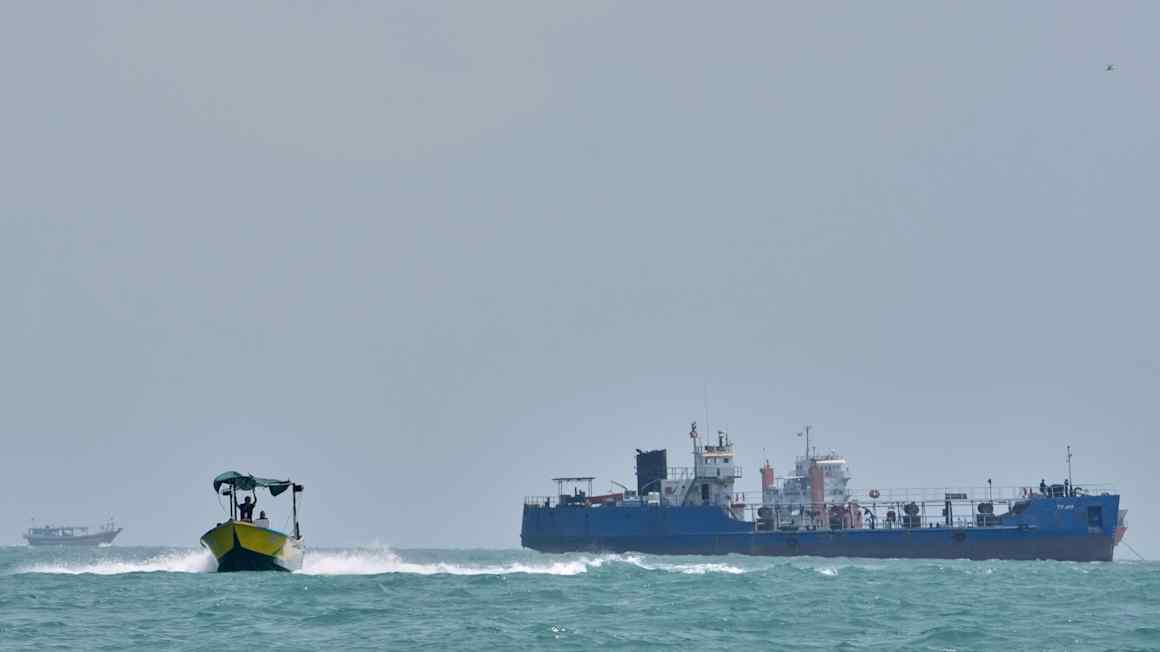
Iran has indicated that the reopening of the Strait of Hormuz hinges on the United States meeting Tehran's conditions, according to an Iranian source speaking to the semi-official Tasnim news agency. This understanding between Iran and Oman does not guarantee an immediate reopening of the strait but sets a foundation for potential restoration, according to the source.
The comments were made two days prior to a scheduled meeting in Oman involving Iran and Gulf states to discuss the strait's future. Iran's Foreign Ministry emphasized the meeting as a crucial step toward Gulf stability, while spokesman Esmaeil Baghaei stated that Iran's missile strikes targeted U.S. bases rather than the countries housing them.
A senior Iranian official told Reuters separately that the meeting, initiated by Oman, is unlikely to produce a signed agreement. Tehran seeks formal recognition of its control over Hormuz, which includes the ability to charge transit fees to ships utilizing the waterway—demanded but rejected by Washington.
Bahrain has stated that it will not join any Hormuz discussion involving Iran until diplomatic ties are reestablished. Diplomatic efforts over Hormuz coincide with the conflict's escalation in another region. U.S. Central Command reported that its blockade of the strait has diverted 100 vessels attempting to enter or leave Iranian ports since its reinstatement on July 14, following a U.S.-Iran memorandum of understanding collapse.
Prior to this blockade, from April 13 to June 18, it diverted approximately 140 ships. Iran-aligned Houthi forces have tightened their grip on Yemen's Red Sea coastline and the Bab el-Mandeb Strait, another vital maritime chokepoint. Saudi-backed Yemeni government forces reported attacks on Houthi fighters near the port city of Mocha on Saturday.
Saudi Crown Prince Mohammed bin Salman discussed seeking U.S. military support against the Houthis with U.S. President Donald Trump on Thursday. Trump stated that the U.S. would provide intelligence assistance but not intervene directly. Iraq closed three border crossings with Iran following a drone strike on a Saudi oil pipeline, which Iraq's prime minister attributed to Iranian territory. Riyadh and Baghdad accused Iran of launching the attack from its soil.
The pipeline, transporting 4-5 million barrels of oil daily (4-5% of global supply) via the Red Sea, offers an alternate route bypassing Hormuz. Iraq's prime minister removed a military commander near the Iranian border and initiated an investigation.
Bahrain described the attack as a "flagrant violation" of international law and backed Saudi Arabia's right to take "all necessary measures." British Foreign Secretary Ed Miliband conveyed to Saudi counterpart Prince Faisal bin Farhan by phone the UK's support for Saudi Arabia and Yemen's recognized government amid Houthi aggression, affirming the kingdom's right to defend its security and resources in line with international law.
During a visit to Ireland, Trump predicted the war would conclude "probably right after the mid-terms" and accused Iran of delaying to complicate the election. Irish President Catherine Connolly, in a courtesy call, expressed the Irish people's stance that normalizing war and genocide is unacceptable.
Written by urgent.news from Hellenic Shipping News's reporting — not their text. Machine-written — may contain errors; check the original before relying on it.
This story
This is one outlet's version. Read the fullest account.
- Iran says Hormuz reopening depends on U.S. meeting its conditions hellenicshippingnews.com
- Oil prices jump over 3% on more M.East action, Hormuz meeting delay investing.com
- Diplomacy stumbles with postponement of meeting on Strait of Hormuz proposal al-monitor.com