Ganeshotsav’s chief delicacy modak is 2,000 years old
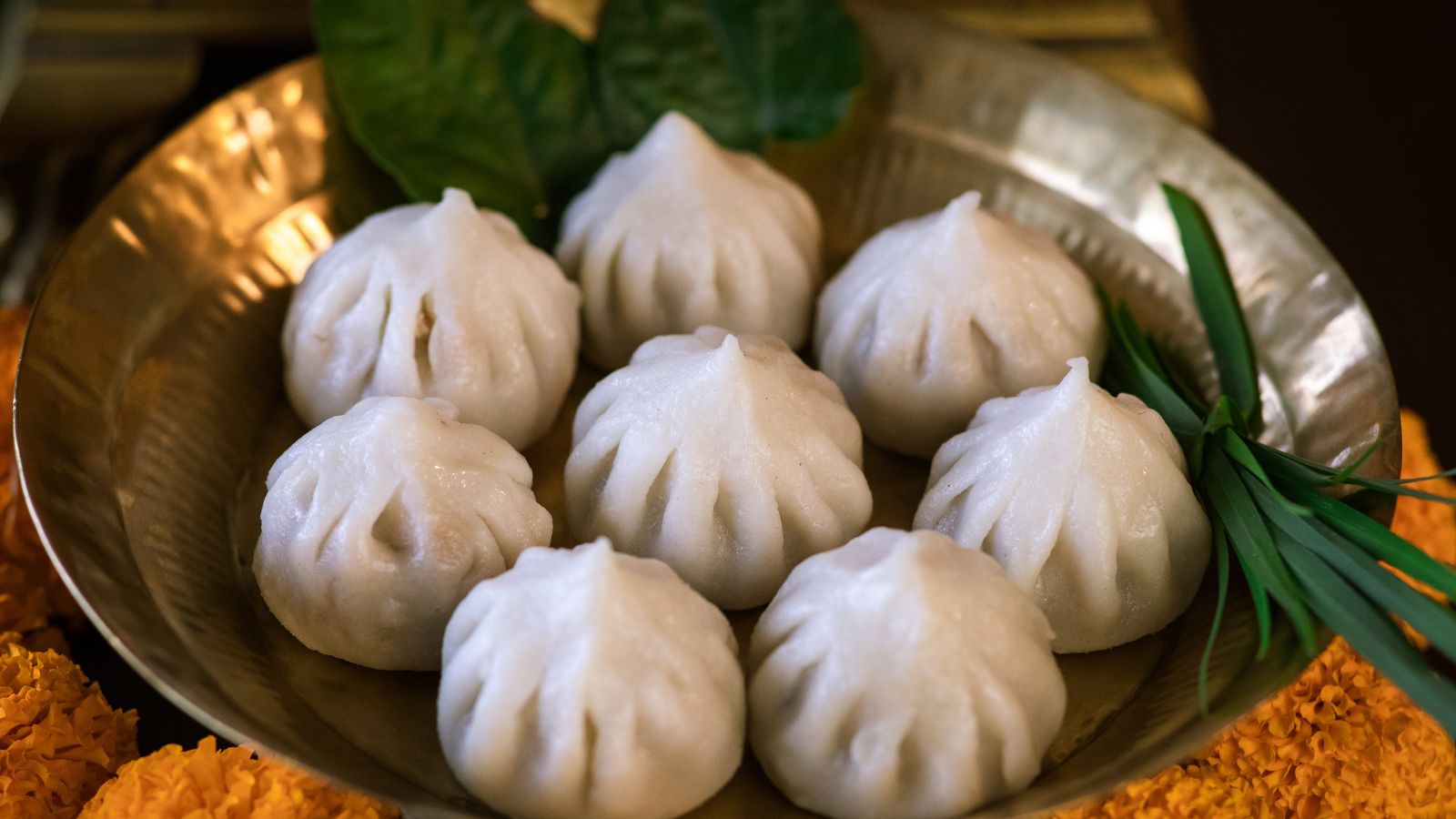
When Bappa arrives to be welcomed in Maharashtra, the celebration is a feast for the senses. Colourful shops, elaborate mandals and the enticing smell of modak fill the air. The iconic ukadiche modak has become inseparable from Ganeshotsav, prompting many devotees to wonder if the beloved treat has existed for centuries. Art historian and archaeologist Saili Palande Datar explains that the term modak derives from Sanskrit, meaning something that brings happiness.
Its literal translation is a roundish sweet snack similar to a laddoo. Datar reveals that modak is over 2,000 years old, citing an amusing story from the ancient Bruhadkatha. In this tale, a king and queen, engaged in a playful contest by the lake, unknowingly turn the incident into a playful exchange of modaks. While Ganesha is often portrayed with modaks in art, earlier works depict him with beejpurak, a citrus fruit symbolising prosperity.
Over time, the beejpurak evolved to resemble a bowl of modak or ladoo, with Ganesha's trunk often touching it. The sweet's association with Ganesha stems from elephants' affinity for rice dough and jaggery-coconut, ingredients found in Ganesha's preferred modaks. Despite the availability of modern twists like Belgian chocolate and butterscotch modak, the traditional ukadiche modak remains the most cherished.
However, the delicate art of preparing these modaks is threatened by modernity. Workshops to preserve this tradition are popular, demonstrating that people remain committed to keeping Ganesha's favourite sweet alive.
Written by urgent.news from The Indian Express's reporting — not their text. Machine-written — may contain errors; check the original before relying on it.