Foreign investors favour Malaysia bonds but net sellers of local stocks
KUALA LUMPUR: Foreign investors remain supportive of Malaysia’s debt market, recording RM900 million of net inflows into Malaysian bonds last week, said Kenanga Research.
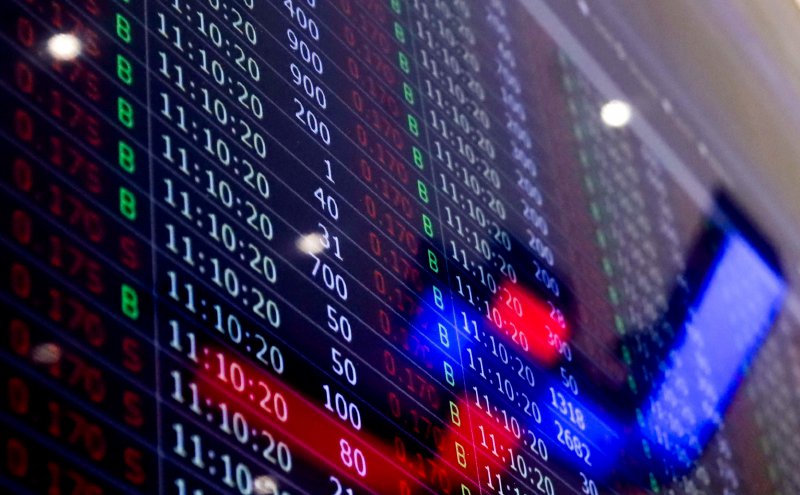
KUALA LUMPUR: Foreign capital continues to favor Malaysia's bond market, accumulating RM900 million in net inflows into Malaysian bonds last week, according to Kenanga Research. Simultaneously, global investors pulled out RM640.3 million from Bursa Malaysia, the firm reported. Kenanga Research anticipates yields to maintain an upward trajectory into September's Federal Open Market Committee (FOMC) meeting, followed by a decline as the interest rate hike premium dissipates following a Federal Reserve hold, said the firm in a recent note.
Malaysian Government Securities (MGS) and Government Investment Issues (GII) yields spiked across the curve last week, climbing between 11.3 and 24.5 basis points. The 10-year MGS yield surged 21.5 basis points to 4.134 percent, while the 10-year GII yield rose 23.1 basis points to 4.153 percent. Kenanga Research attributes the sell-off to a roughly balanced mix of external and internal factors.
The escalation of tensions in West Asia fueled higher oil prices, contributing to inflation worries, while rising US Treasury and UK gilt yields propelled global bond prices higher. On the domestic front, the sell-off predominantly affected the longer end of the yield curve, resulting in a steepening of the 3s10s curve. In the coming weeks, Kenanga Research expects investors to concentrate on labor market and retail sales data this week, followed by trade and inflation reports next week.
The firm has revised its predictions for the 10-year MGS yield for the third quarter of 2026 and end-2026, upwardly adjusting the estimates to 3.95 percent and 3.88 percent, respectively, from the previously projected 3.70 percent and 3.63 percent. This adjustment reflects the persistent upward pressure stemming from heightened tensions in West Asia and the ensuing revaluation of global interest rates.
Written by urgent.news from New Straits Times's reporting — not their text. Machine-written — may contain errors; check the original before relying on it.