Faced with less compute and fewer tokens, Chinese AI labs are tightening the gap with the U.S. by just being more efficient
Federal agencies accused six Chinese AI companies of training on American models to do this, but analysts say it’s not the only explanation
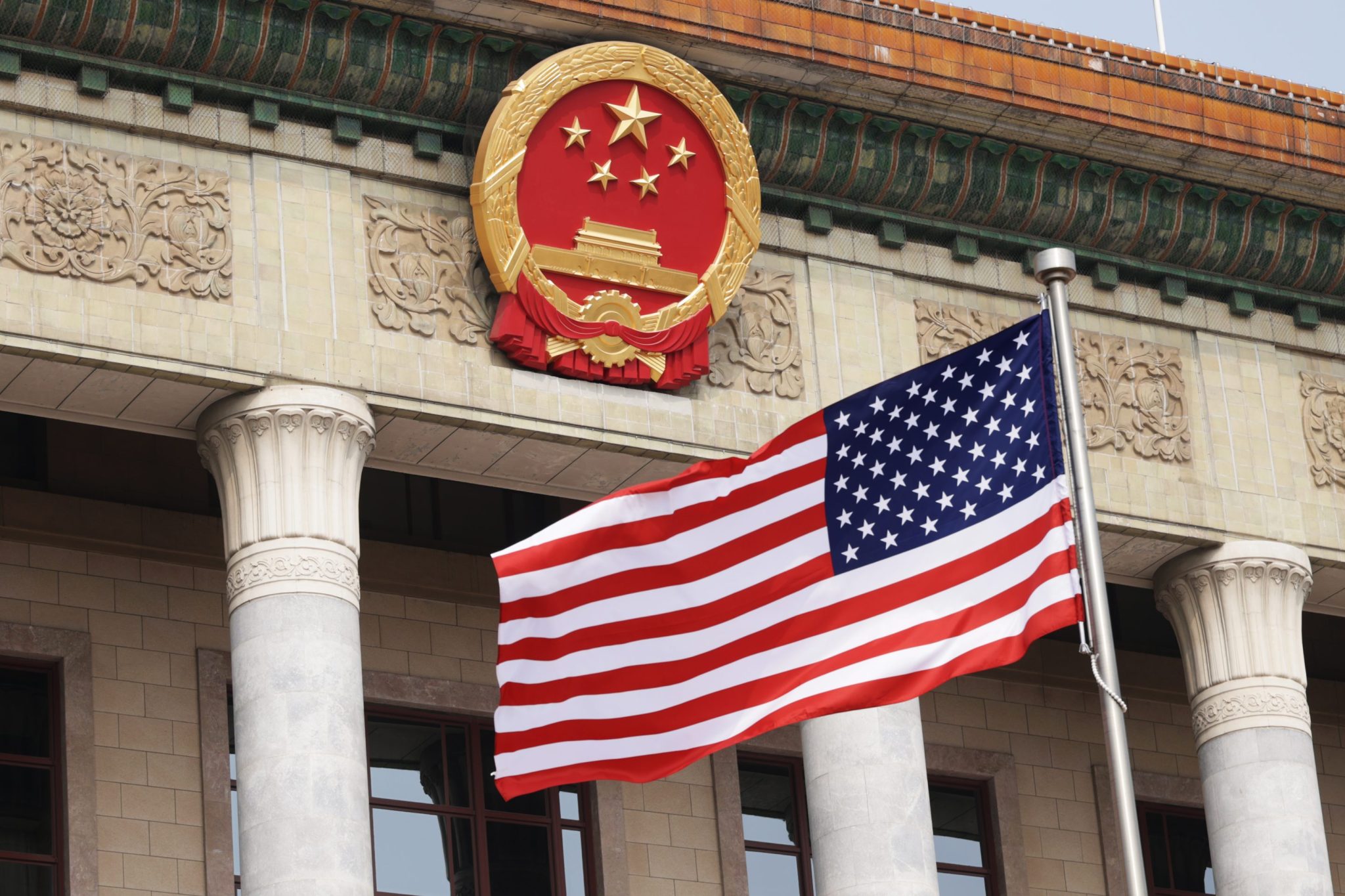
The U.S. and China are locked in a global race for AI dominance, with recent accusations and concerns over how China is catching up. Six Chinese AI companies allegedly used a shortcut to close the gap with American AI labs by purchasing bulk subscriptions to American rivals and training on their outputs. This method allowed DeepSeek, for example, to claim its $5.6 million training cost was lower than claimed.
China's government maintains its AI progress is due to self-reliance, but analysts argue Chinese labs have developed more efficient techniques to compete. They focus on squeezing more value out of limited resources, particularly by improving the efficiency of the attention mechanism that enables large language models to contextualize text.
By creating algorithms that reduce the complexity of attention calculations, Chinese labs achieve better results with fewer computational resources. Additionally, the U.S. imposed restrictions on China's access to Nvidia's most powerful chips, forcing the country to rely on domestic alternatives like Huawei, further limiting access to top-tier compute.
As a result, Chinese AI labs found more computationally efficient methods compared to U.S. labs, which initially prioritized more compute power. This efficiency edge has closed the performance gap between Chinese and U.S. models, with top Chinese models only slightly lagging behind their American counterparts. U.S. enterprises are increasingly exploring Chinese models due to their cost-effectiveness.
Companies like DoorDash and Airbnb have adopted Chinese models like Moonshot AI's Kimi, citing better performance and lower costs. Open-source Chinese models are also gaining traction, with Hugging Face reporting they accounted for 41% of total downloads last year, surpassing U.S. models. However, U.S. AI companies still hold a performance advantage, serving as a benchmark for Chinese labs to build upon.
Written by urgent.news from Fortune's reporting — not their text. Machine-written — may contain errors; check the original before relying on it.